Exchange Ranking
 Top Exchanges
 24h Volume Ranking
 Popularity Ranking
 Exchange BTC Balance
 Proof of Reserves
 Decentralized Exchanges
 Funding Rate
 Funding Heatmap
 Liquidation Data
 Max Pain
 Long/Short Ratio
 Whale L/S Ratio
 Binance/Okex/Huobi L/S
 Bitfinex Margin L/S
 ETF Tracker
 Solana ETF
 XRP ETF
 Hong Kong ETF
 Bitcoin Treasuries
 Crypto Reversal
 Ethereum Reserves
 HyperLiquid Wallet Analysis
 Hyperliquid Whale Watch
 Large Transactions
 On-chain Movement
 Bitcoin ROI
 Stablecoin Market Cap
 Options Analysis
 News
News Articles
 Economic Calendar
 Features
 Wallet
 Contract Calculator


 Security
 Collections
 Watchlist
 Following
 BTC
BTC  DOGE
DOGE  ETH
ETH  SOL
SOL  XRP
XRP Tokyo-listed company Remixpoint cleared its altcoins and fully switched to Bitcoin reserves.
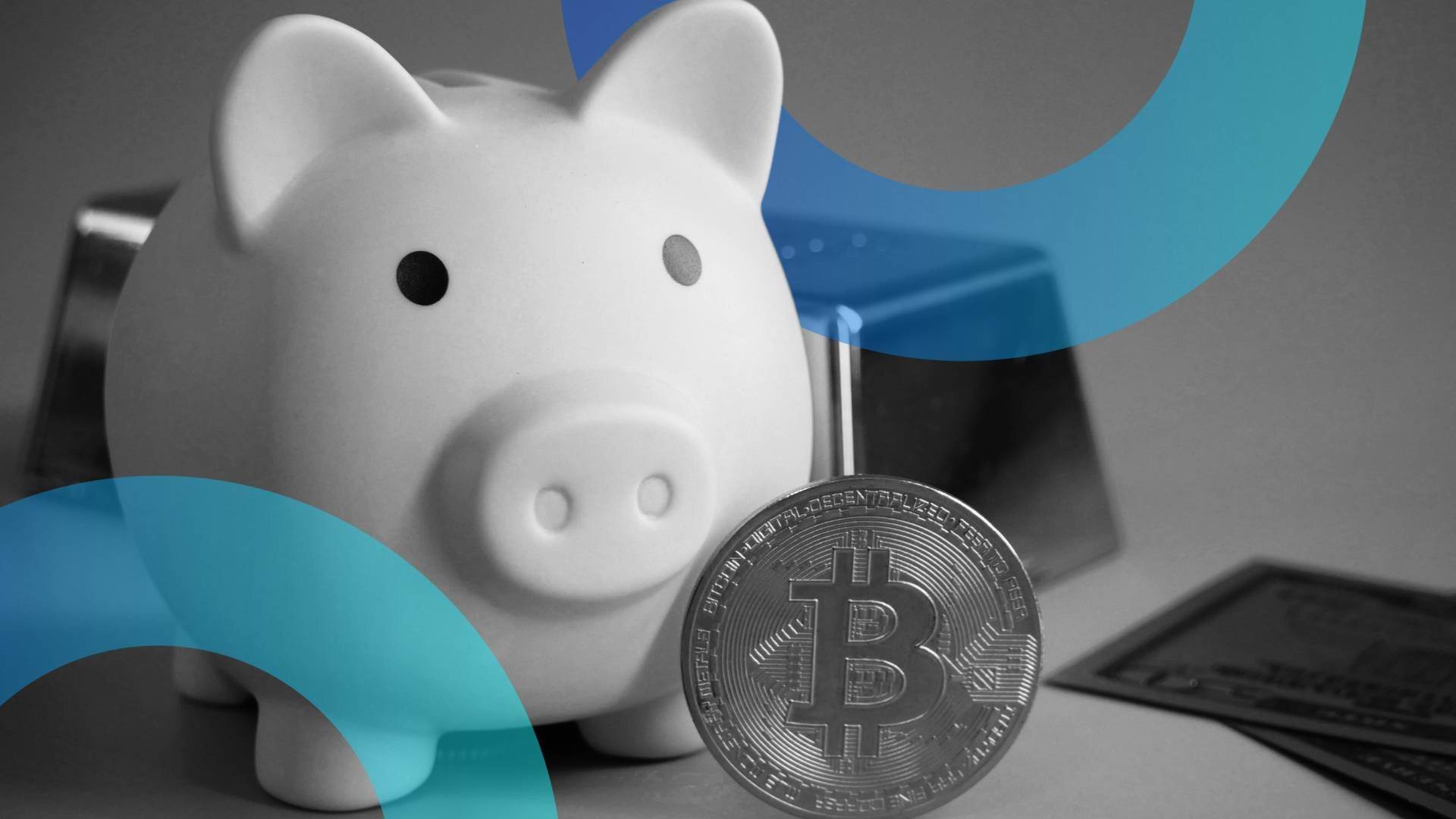
The Tokyo-listed company has sold its holdings of Ethereum, Ripple, Solana and Dogcoin, and consolidated all US$115 million into Bitcoin.
According to a report released on September 2, Tokyo-listed company Remixpoint has cleared its holdings of Ethereum, Ripple, Solana and Dogecoin. The company has integrated all of its digital asset reserves into Bitcoin. Currently, the company's cryptocurrency holdings are worth approximately US$115 million, all of which are in Bitcoin.
This decision marks its complete abandonment of its diversified digital asset strategy. Previously, Remixpoint held a series of mainstream altcoins while holding Bitcoin. This combination allows the company to enter multiple areas of the cryptocurrency market. Now, the company has chosen to concentrate its balance sheet risk on a single asset.
This shift reflects the general trend of corporate finance departments entering the cryptocurrency market. Some listed companies choose to hold diversified digital asset portfolios, while others follow a narrower path, viewing Bitcoin as a separate reserve asset rather than as part of a broader investment portfolio. Remixpoint's move puts it firmly in the latter category.
Since large companies began to use Bitcoin as their main reserve asset many years ago, the pure Bitcoin reserve strategy has gradually attracted attention. Proponents believe that Bitcoin has a longer history, a larger market cap and relatively mature liquidity, making it a more direct reserve asset than small-cap tokens. Critics counter that focusing entirely on a single asset eliminates any benefits of diversification and exposes companies more directly to bitcoin price fluctuations.
Existing reports have not detailed the specific time and execution method of the sale of altcoins, including whether the transaction will be completed within a few days or in one go. Similarly, the specific proceeds from the sale of each altcoin are not disclosed separately. The only confirmation is the final result: Remixpoint's digital asset reserves are now entirely composed of Bitcoin and are worth approximately $115 million.
For many years, Japan has maintained a relatively structured regulatory approach to cryptocurrencies, requiring registration of exchanges and disclosure requirements for listed companies holding digital assets. A listed company converting its entire cryptocurrency reserve into a single asset is a noteworthy event in this regulatory environment. This suggests that company leadership has some degree of confidence or risk management preference in Bitcoin, rather than other major tokens.
Market Impact
Reserve adjustments by individual companies are unlikely to affect the price of the entire altcoin or Bitcoin alone. However, the decision exacerbates an apparent trend: corporate finance departments are reducing their exposure to Bitcoin rather than holding a diversified cryptocurrency portfolio. Other companies that follow corporate cryptocurrency adoption trends may view this as a reference data point when evaluating their reserve strategies.
For altcoins such as Ethereum, Ripple, Solana and Dogcoin, this sale means a marginal reduction in institutional holders. Its broader significance is not about the size of the transaction, but rather because it shows how some listed companies weigh the risks between Bitcoin and other assets in the cryptocurrency market.
Remixpoint's move to all-Bitcoin reserves highlights the ongoing divergence among corporate cryptocurrency holders between diversification and concentration strategies, and the company is now betting all on Bitcoin's long-term prospects.
Frequently Asked Questions
What did Remixpoint do with its altcoin holdings?
According to reports on September 2, Remixpoint sold its entire altcoin portfolio, including Ethereum, Ripple, Solana and Dogcoin.
What is the value of Remixpoint's Bitcoin reserves?
reported that after selling altcoins, Remixpoint's Bitcoin holdings were valued at approximately US$115 million.
Why is the company moving to a pure Bitcoin reserve strategy?
Companies sometimes rely on Bitcoin's longer history and larger market size to concentrate on holding reserve assets, although this reduces the benefits of diversification.
Is Remixpoint the first company to adopt a pure bitcoin reserve strategy?
No. Many listed companies around the world have previously adopted bitcoin-focused reserve strategies, but each company's specific practices and positions vary.