Exchange Ranking
 Top Exchanges
 24h Volume Ranking
 Popularity Ranking
 Exchange BTC Balance
 Proof of Reserves
 Decentralized Exchanges
 Funding Rate
 Funding Heatmap
 Liquidation Data
 Max Pain
 Long/Short Ratio
 Whale L/S Ratio
 Binance/Okex/Huobi L/S
 Bitfinex Margin L/S
 ETF Tracker
 Solana ETF
 XRP ETF
 Hong Kong ETF
 Bitcoin Treasuries
 Crypto Reversal
 Ethereum Reserves
 HyperLiquid Wallet Analysis
 Hyperliquid Whale Watch
 Large Transactions
 On-chain Movement
 Bitcoin ROI
 Stablecoin Market Cap
 Options Analysis
 News
 Articles
 Economic Calendar
 Features
 Wallet
 Contract Calculator


 Security
 Collections
 Watchlist
 Following
The Washington Markets are about to meet a new face.
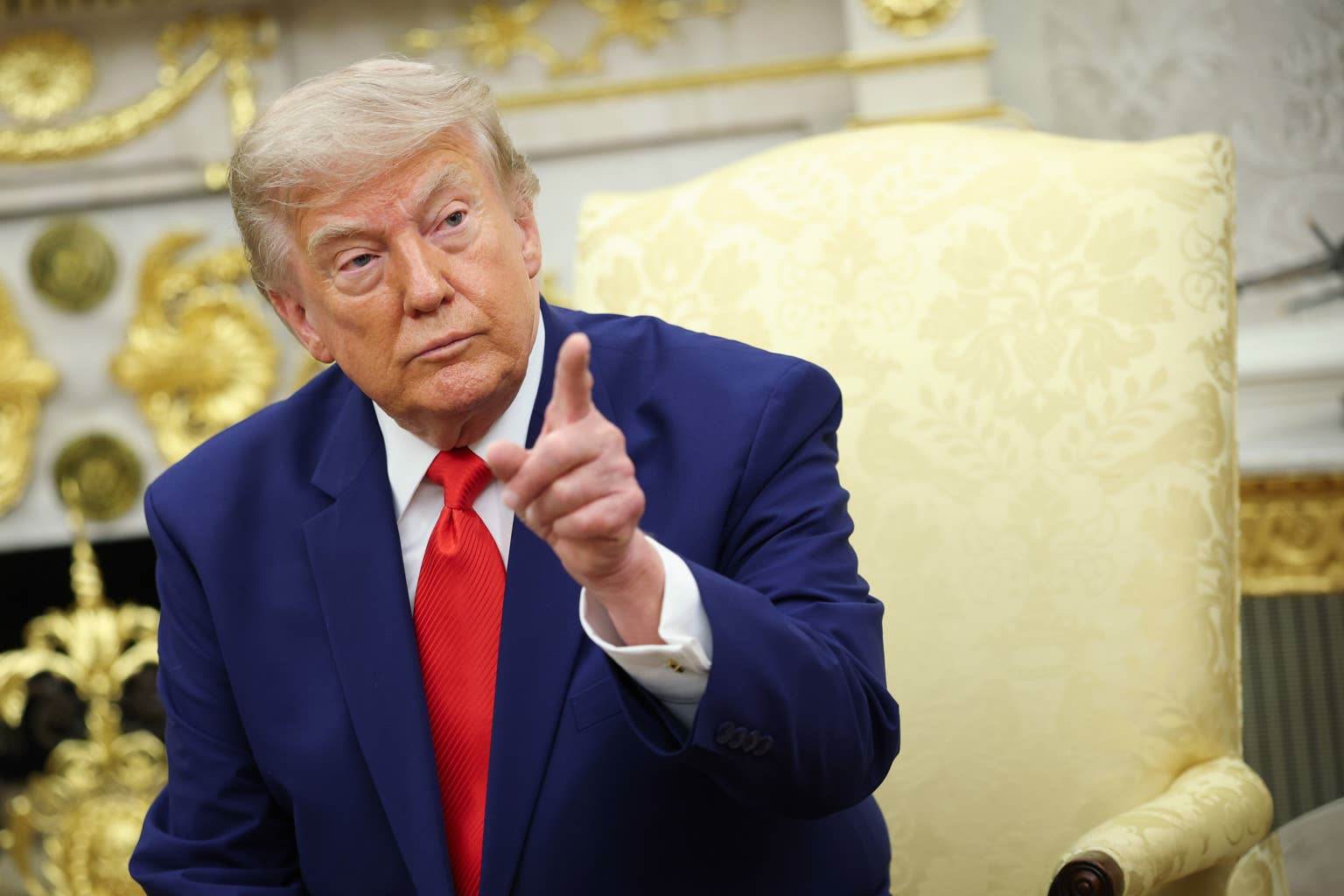
The President of the United States, Donald Trump, has nominated four persons to assist in the management of these two major institutions, for which time is running out. The White House submitted four nominees to the Senate on 12 November: two to the Securities and Exchange Commission (SEC) and two to the Commodity Futures and Exchange Commission (CFTC).
The two institutions together shape the United States’ cryptocurrency regulation. The SEC oversees stocks and other securities, while the CFTC is responsible for futures and other derivatives, including many cryptocurrency products.
According to Bloomberg, there is currently only one member of the CFTC, the Chairman, Michael Selig, and two members of the SEC, the Chairman, Paul Atkins, and the Commissioner, Mark Uyeda.
Two seats for SEC and CFTC.
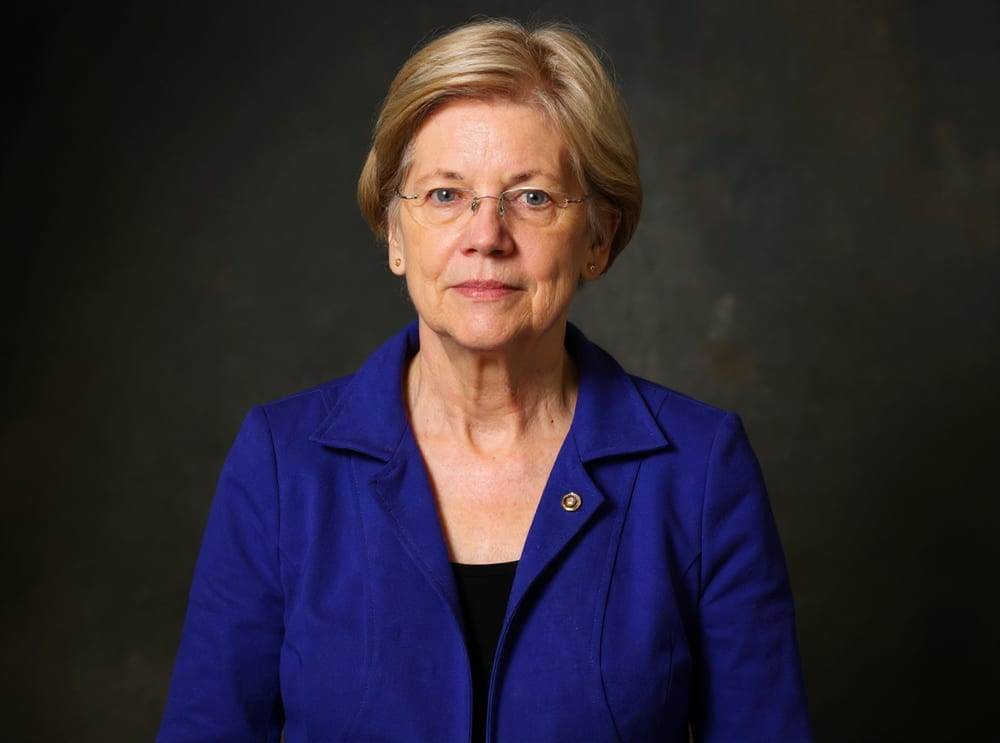
For the SEC seat, Trump nominated Steven Levine and Kristin N. Johnson. Levin will fill the seat occupied by Hester Pierce until 5 June 2030; Johnson will replace Caroline Crenshaw for the former seat until 5 June 2029.
Levine is a senior official of the White House Economic Advisory Board.
For the CFTC seat, he nominated Nathan Anonick and Matthew Rowland. Anonnik will replace Rostin Behnam until 19 June 2031, and Roland will complete the remainder of the term of Summer Mersinger, which will end on 13 April 2028.
The two nominees to the CFTC are on the Senate Committee on Agriculture, which oversees the work of the CFTC.
According to Reuters, the nomination list was evenly distributed among the parties: Levine and Anonnik were Republicans and Johnson and Roland were Democrats. They were reportedly the first Democrats to be nominated to the two institutions after Trump returned to the White House.
Johnson was not a freshman. She was a member of the CFTC during President Joe Biden’s administration. She left the institution last year, and she was a professor at the Faculty of Law and Vice-President of JP Morgan Chase.
The change of power in the Senate is imminent.
Each of the nominees needs Senate approval, and the timing is urgent. The Democrats won Senate control in the mid-term elections on 3 November and will take over the Senate in January next year.
This nomination coincides with a critical period of rule-making in the cryptocurrency regulation. Earlier this month, CFTC Chairman Michael Selig indicated that the United States-based personal Futures can now be traded at the CFTC registry exchange registered at the same time as the SEC. Perpetual Futures is a form of tracking asset prices without maturity.
In addition, the CFTC is competing with several states for the right to predict market platforms. Predicting markets is the platform for users to trade in real-world events.
At the level of Congress, the CLARITY bill, which aims to set clearer rules for the cryptocurrency market, was not passed in the Senate in September this year. If it is not passed by the end of the current session of Congress on 3 January 2027, it must be reintroduced.
The members of these committees will help to determine the manner in which the rules will be formulated and implemented. The Senate will now decide when the four nominees will be given this opportunity.