Exchange Ranking
 Top Exchanges
 24h Volume Ranking
 Popularity Ranking
 Exchange BTC Balance
 Proof of Reserves
 Decentralized Exchanges
 Funding Rate
 Funding Heatmap
 Liquidation Data
 Max Pain
 Long/Short Ratio
 Whale L/S Ratio
 Binance/Okex/Huobi L/S
 Bitfinex Margin L/S
 ETF Tracker
 Solana ETF
 XRP ETF
 Hong Kong ETF
 Bitcoin Treasuries
 Crypto Reversal
 Ethereum Reserves
 HyperLiquid Wallet Analysis
 Hyperliquid Whale Watch
 Large Transactions
 On-chain Movement
 Bitcoin ROI
 Stablecoin Market Cap
 Options Analysis
 News
 Articles
 Economic Calendar
 Features
 Wallet
 Contract Calculator


 Security
 Collections
 Watchlist
 Following
 BTC
Core elements
Bitcoin mine could be transformed into an artificial intelligence data centre; the Core Scientific infrastructure project had a budget of $5.5 billion; and existing power connections, while saving time, could not save billions of dollars.
The Bitcoin mine already has a critical resource for artificial intelligence companies' urgent needs: big power access. However, transforming such infrastructure into a modern artificial intelligence data centre would cost much more than simply replacing Bitcoin Mining with Nvidia GPU.
Core Scientific case.
Core Scientific provides a very instructive case. According to its financing disclosure document of April 2026, the six data centre project leased to CoreWeave, with an estimated construction expenditure of about $5.5 billion under the contract IT capacity of 590 MW.
The cost per MW was converted to approximately $9.3 million. Although this figure covers a broader project portfolio rather than a standardized retrofit (refurbishment/retrofitting) unit price, it provides a clear picture of the size of the funds.
Why can't Bitcoin mine directly run the AI load?
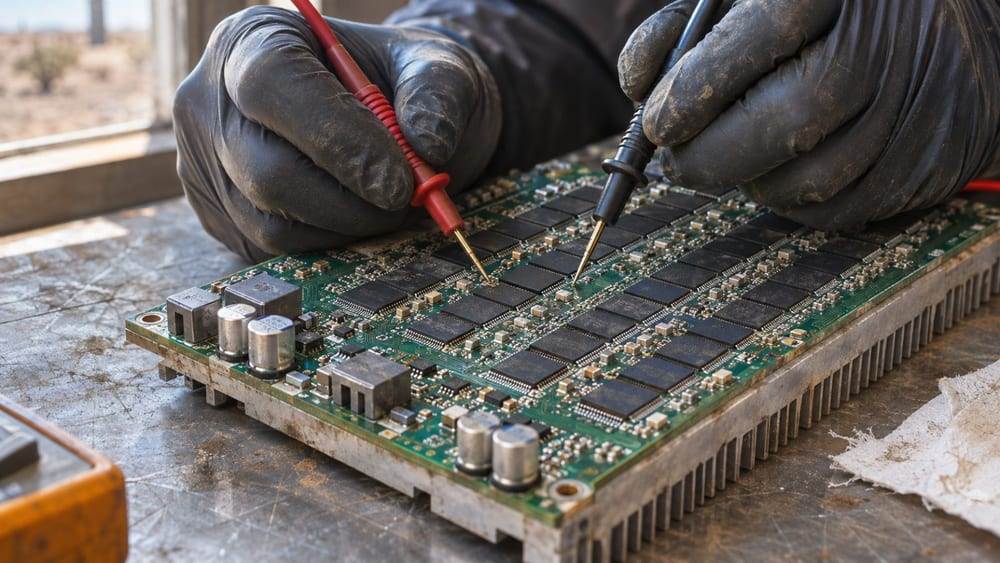
The traditional Bitcoin mines operate dedicated ASC machines designed to perform repetitive calculations. They require power, ventilation and network connectivity, and their infrastructure is relatively simple compared to high-performance AI calculations.
Modern GPU clusters require more stringent conditions: more efficient cooling systems, high-bandwidth fibre-optic connections, advanced distribution networks, and a stable and reliable operating environment. Even if the mines are already equipped with access to electricity, much reconstruction and upgrading will be required.
As a result, Bitcoin Miner, who is transitioning to AI, is increasingly valued for the value of its land and power infrastructure, rather than for its existing Mining equipment. Core Science is committed to transforming its facilities into a high-density hosting infrastructure, while other operators, such as TeraWulf and Hut, are also seeking long-term AI infrastructure contracts.
How high is the actual cost of conversion?
The Core Scientific development plan reveals the magnitude of the financial scale. Its $5.5 billion construction budget corresponds to the 590 MW contract IT capacity, which means about $9.3 million per MW. The company also disclosed that the development cost of the example to expand its broader data centre portfolio is about $11 million per MW.
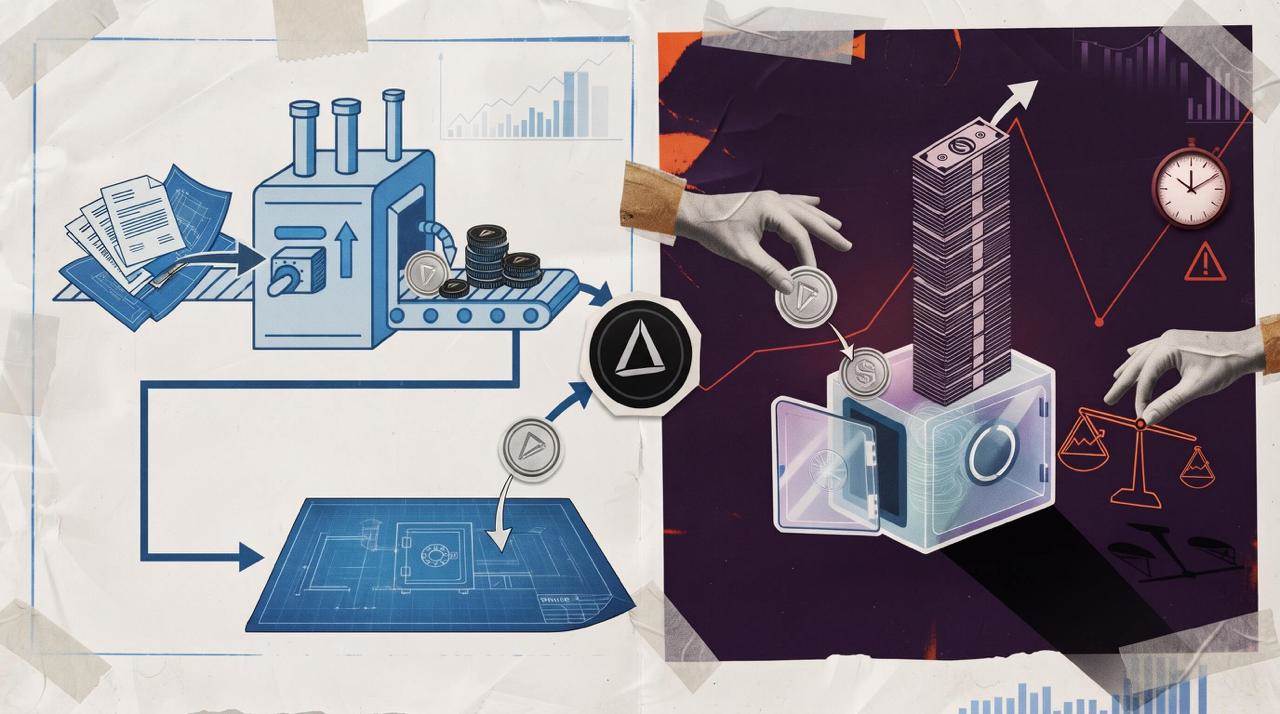
These estimates are not common conversion prices and should not be interpreted as including all GPU investments of the client. Of the related protocols in CoreWeave, up to $1.5 million/megawatts of certain facilities can be funded by the client and subsequently recovered through the trust payment line.
In addition, an additional 70 MW expansion requires Core Scientific to raise about $104 million in its own core and shell infrastructure for electricity supply. These costs explain why AI infrastructure finance increasingly involves project debt, long-term leasing, and specialized infrastructure investors.
Is it worth the investment to convert Bitcoin's mine?
For Miner, the attraction is predictable client income. Bitcoin Mining’s profitability fluctuates with cryptocurrency’s price, network difficulty, and electricity cost, while AI hosting contracts lock on multi-year payment guarantees.
In a presentation in November, Core Scientific noted that its protocol with CoreWeave could generate potential income of about $10 billion, of which average annualized hosting income was about $850 million.
However, expected contract revenues do not guarantee profits, and construction financing remains a huge commitment. This distinction is crucial, as mining infrastructure stocks continue to face investors’ concerns about debt and construction costs, despite the growth of AI hosting revenues.
This also reveals key differences between developers and customers. As the broader AI Data Centre financing model suggests, companies that provide land and electricity may not own GPUs, nor bear all of the construction costs.