Exchange Ranking
 Top Exchanges
 24h Volume Ranking
 Popularity Ranking
 Exchange BTC Balance
 Proof of Reserves
 Decentralized Exchanges
 Funding Rate
 Funding Heatmap
 Liquidation Data
 Max Pain
 Long/Short Ratio
 Whale L/S Ratio
 Binance/Okex/Huobi L/S
 Bitfinex Margin L/S
 ETF Tracker
 Solana ETF
 XRP ETF
 Hong Kong ETF
 Bitcoin Treasuries
 Crypto Reversal
 Ethereum Reserves
 HyperLiquid Wallet Analysis
 Hyperliquid Whale Watch
 Large Transactions
 On-chain Movement
 Bitcoin ROI
 Stablecoin Market Cap
 Options Analysis
 News
News Articles
 Economic Calendar
 Features
 Wallet
 Contract Calculator


 Security
 Collections
 Watchlist
 Following
 BTC
BTC  ETH
ETH Points
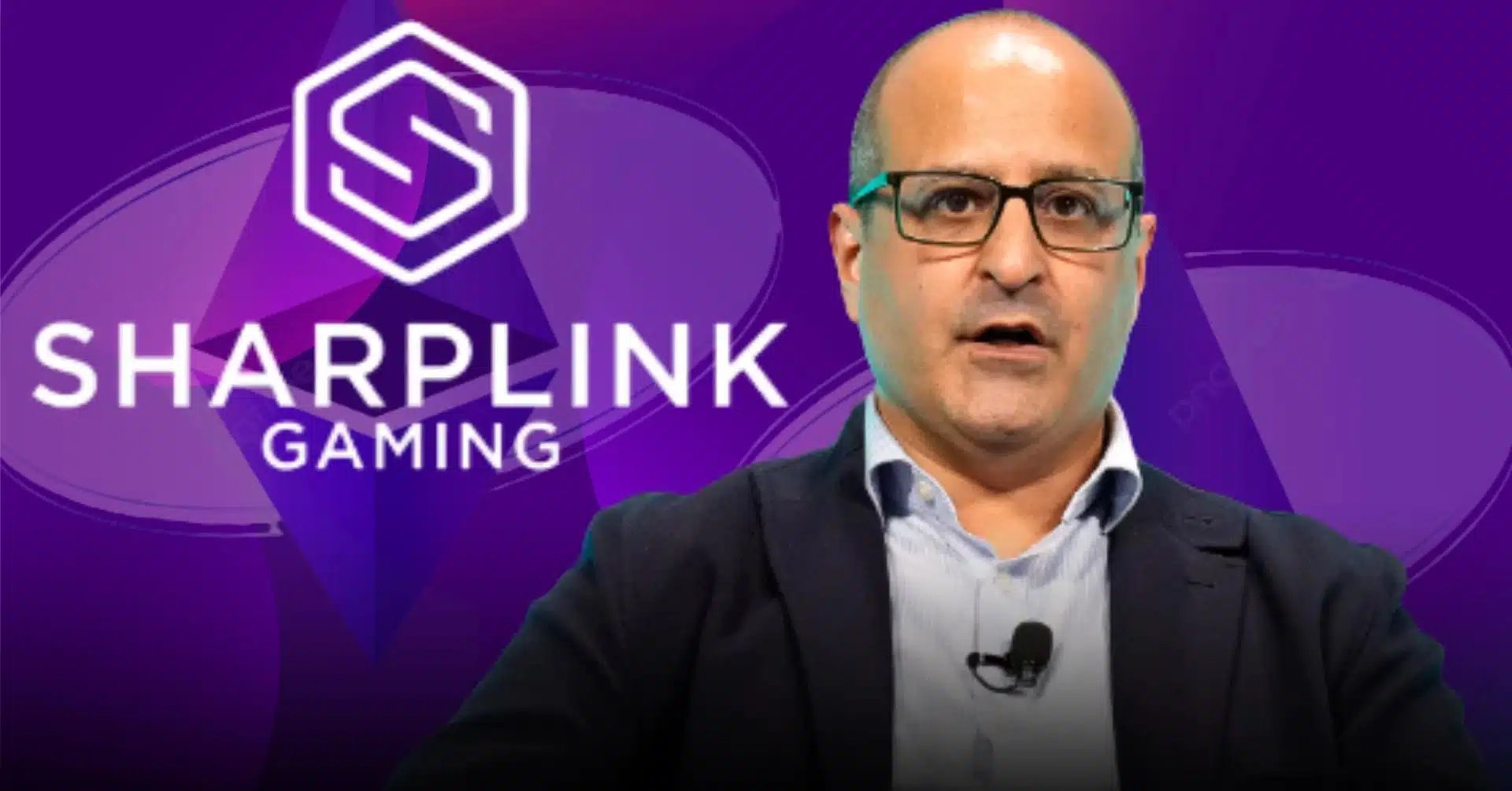
SharpLink CEO Joseph Chalom believes that EIP-8363 may weaken Ethereum's pledge economy, institutional appeal and competitive advantage over other digital assets.
EIP-8363 proposes the gradual elimination of verifier issuance rewards, which may reduce the pledge yield to zero when approximately half of the ETH is pledged.
Critics warn that lower pledge rewards could put pressure on the DeFi market and independent verifiers, while EIP-8363 is still considering inclusion in Ethereum's Hegata upgrade.
SharpLink CEO criticizes EIP-8363: Weakening the pledge economy of Ethereum
SharpLink CEO Joseph Chalom criticized EIP-8363, warning that the proposal could weaken Ethereum's pledge economy and its institutional appeal. According to Chalom's post on Platform X, the proposal threatens one of Ethereum's important advantages over Bitcoin and other major cryptocurrencies. He believes that ETH's native pledge proceeds enhance its position among institutions seeking productive digital assets.
EIP-8363 is called "progressive release destruction", which will gradually destroy the rewards of the consensus layer as the proportion of Ethereum pledge increases. Once approximately 50% of ETH is pledged, the mechanism will destroy all issuance rewards. Therefore, at this pledge level, the verifier will not receive any issuance proceeds. Proponents believe that this mechanism can curb excessive pledges while reducing the dilution effect on non-pledged ETH holders.
Justin Drake, a researcher at the Ethereum Foundation, and Jerome de Tiché, founder of EthCC, are among the authors of the proposal. They believe that the mechanism is a market-driven method of managing the proportion of Ethereum pledge. However, Chalom acknowledged the author's investment in Ethereum, but strongly opposed the solution they proposed. He believes that good intentions do not necessarily lead to beneficial economic policies.
Critics also warn that lower rewards could have a disproportionate impact on independent pledgers. In addition, weaker incentives may reduce the participation of verifiers responsible for ensuring Ethereum's security.
Chalom links Ethereum pledge proceeds to DeFi and institutional needs
Chalom's objections mainly revolve around Ethereum's ability to generate native revenue through pledges. He described the pledge return as an important base interest rate in the on-chain financial market. Liquidity-pledged tokens, lending agreements, and many capital strategies all rely to some extent on these returns. Therefore, lower pledge rewards may increase the capital cost of Ethereum's decentralized financial ecosystem.
Chalom also refuted the idea that Ethereum spends too much on cybersecurity through distribution. Instead, he described the release as an internal transfer of participants who safeguard and develop Ethereum. It is worth noting that Chalom believes that productive ETH is an important competitive advantage for Ethereum. Eliminating this feature may make alternative assets more attractive to institutional capital.
SharpLink and its CEO have formally opposed EIP-8363. The publicly traded Ethereum Treasury holds a large amount of ETH and deploys assets in the verifier and DeFi protocols. In addition, Aave founder Stani Kurechev also criticized the proposal's potential economic impact. He warned that unpredictable yields could reduce ETH's appeal as a productive asset.
EIP-8363 faces review before Hegata upgrade
Concerns about the EIP-8363 submission timeline have also emerged. Developers introduced the proposal shortly before the deadline for consideration of the Hegira hard fork in the Ethereum project. Currently, FOCIL is the main proposal in Hegata's upgrade plan. At the same time, EIP-8363 is still under consideration and developers can still choose not to include it.
Ethereum has expanded its institutional strategy through multiple initiatives including the Ethereum Institution and the Ethereum System. These efforts are aimed at improving infrastructure and privacy services for professional and corporate participants. Therefore, Chalom's criticism directly points to the centrality of pledge economics in Ethereum's institutional strategy. Proponents of EIP-8363 tend to reduce dilution, while opponents worry that sacrificing ETH's earnings advantage will weaken institutional demand.