Exchange Ranking
 Top Exchanges
 24h Volume Ranking
 Popularity Ranking
 Exchange BTC Balance
 Proof of Reserves
 Decentralized Exchanges
 Funding Rate
 Funding Heatmap
 Liquidation Data
 Max Pain
 Long/Short Ratio
 Whale L/S Ratio
 Binance/Okex/Huobi L/S
 Bitfinex Margin L/S
 ETF Tracker
 Solana ETF
 XRP ETF
 Hong Kong ETF
 Bitcoin Treasuries
 Crypto Reversal
 Ethereum Reserves
 HyperLiquid Wallet Analysis
 Hyperliquid Whale Watch
 Large Transactions
 On-chain Movement
 Bitcoin ROI
 Stablecoin Market Cap
 Options Analysis
 News
 Articles
 Economic Calendar
 Features
 Wallet
 Contract Calculator


 Security
 Collections
 Watchlist
 Following
 BTC
Bitcoin and Nasdaq futures fall in response to Trump's remarks
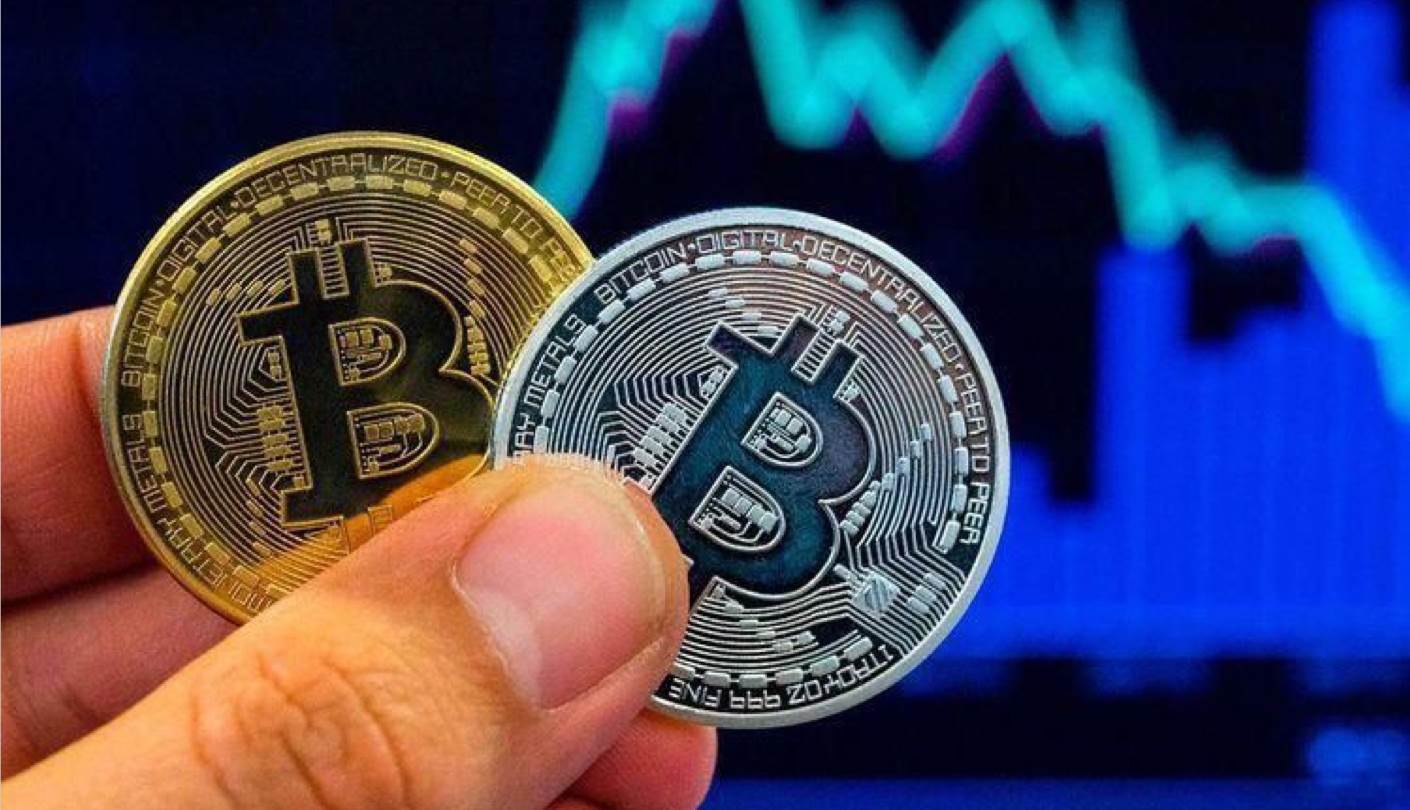
Risky assets pulled back after comments suggesting that military action against Iran might continue. Bitcoin and Nasdaq futures fell as President Trump said he would not rule out the possibility of a further military strike against Iran. The statement upset investors who had hoped to ease tensions in the near future.
Geopolitical risks continue to disturb markets
This year, geopolitical risks have triggered fluctuations in cryptocurrency and stock markets many times. Traders often view Bitcoin as a risky asset that allows it to fluctuate in sync with technology stocks during times of stress rather than as a safe-haven asset. As the president made the above remarks, Bitcoin and Nasdaq futures fell simultaneously, once again confirming this correlation.
The Middle East conflict has a special impact on global markets because of its potential to disrupt energy supplies and shipping routes. Any escalation involving Iran raises concerns about oil prices, inflation and broader economic stability. These concerns often quickly spread to risky assets, including cryptocurrencies, which often experience rapid sell-offs when uncertainty surges.
Bitcoin's trading behavior is increasingly influenced by macroeconomic and geopolitical news rather than operating independently. The shift reflects the growth in the share of the asset by institutional investors, many of whom manage both traditional stocks, bonds and Bitcoin exposure. When these investors generally reduce their exposure, Bitcoin typically follows stock futures down, as demonstrated after Trump's remarks.
The Nasdaq index is highly concentrated in technology companies and is therefore particularly sensitive to changes in risk appetite. Futures on the index fell in sync with Bitcoin, indicating that the market response was not limited to the crypto space, but also extended to a broader growth-sensitive sector. This pattern has become commonplace in times of geopolitical tension over the past few years.
Market sentiment and future outlook
The market has been watching for signs of cooling or intensifying the situation in Iran. Trump refused to rule out further strikes, removing some of the certainty investors sought. In the absence of a clear downgrade signal, traders appear to have priced the high probability of a conflict continuing.
This response highlights the high sensitivity of current market conditions to political and military developments. Because Bitcoin is still relatively young as an institutional asset class, analysts are closely watching its price movements in times of geopolitical shocks to understand its evolving role. Bitcoin has long been believed to serve as a hedge during crises, but recent price movements, including this latest decline, continue to challenge that narrative.
截至报道,未提供关于价格波动规模或具体交易水平的更多细节。CoinDesk 和 CryptoBriefing 均将下跌直接归因于总统关于可能对伊朗采取进一步行动的评论。
市场影响分析
比特币与纳斯达克期货的同步下跌表明,投资者将伊朗局势视为广泛的“去风险”触发因素,而非仅针对加密市场的事件。这一模式强化了在地缘政治压力时期,比特币与股票市场之间日益增长的相关性。
如果潜在的军事升级不确定性持续存在,短期内加密货币和传统市场的波动性可能会保持在较高水平。交易员可能会继续密切关注政府机构的进一步声明,以寻找局势降温或持续紧张的迹象。
这一事件突显了比特币在地缘政治危机期间如何紧密跟踪更广泛的风险情绪。伊朗局势的进一步发展可能在短期内继续影响加密货币和股票市场。
常见问题解答
为什么特朗普就伊朗发表评论后比特币下跌?
比特币越来越多地与股票一起作为风险资产交易。对伊朗潜在军事升级的不确定性促使投资者广泛减少对风险资产的敞口,包括比特币。
纳斯达克期货的下跌原因与比特币相同吗?
据报道,比特币和纳斯达克期货均在特朗普总统的同一番言论后下跌,这表明市场对地缘政治不确定性加剧的反应是一致的。
比特币在地缘政治危机中被视为避险资产吗?
此次下跌延续了比特币在压力事件中与股市步调一致的模式,而非作为独立的避险资产发挥作用。
特朗普具体就伊朗说了什么?
据报道称,特朗普没有排除对伊朗进行进一步打击的可能性,这给已经在监测该局势的市场增添了不确定性。