Exchange Ranking
 Top Exchanges
 24h Volume Ranking
 Popularity Ranking
 Exchange BTC Balance
 Proof of Reserves
 Decentralized Exchanges
 Funding Rate
 Funding Heatmap
 Liquidation Data
 Max Pain
 Long/Short Ratio
 Whale L/S Ratio
 Binance/Okex/Huobi L/S
 Bitfinex Margin L/S
 ETF Tracker
 Solana ETF
 XRP ETF
 Hong Kong ETF
 Bitcoin Treasuries
 Crypto Reversal
 Ethereum Reserves
 HyperLiquid Wallet Analysis
 Hyperliquid Whale Watch
 Large Transactions
 On-chain Movement
 Bitcoin ROI
 Stablecoin Market Cap
 Options Analysis
 News
 Articles
 Economic Calendar
 Features
 Wallet
 Contract Calculator


 Security
 Collections
 Watchlist
 Following
 BTC
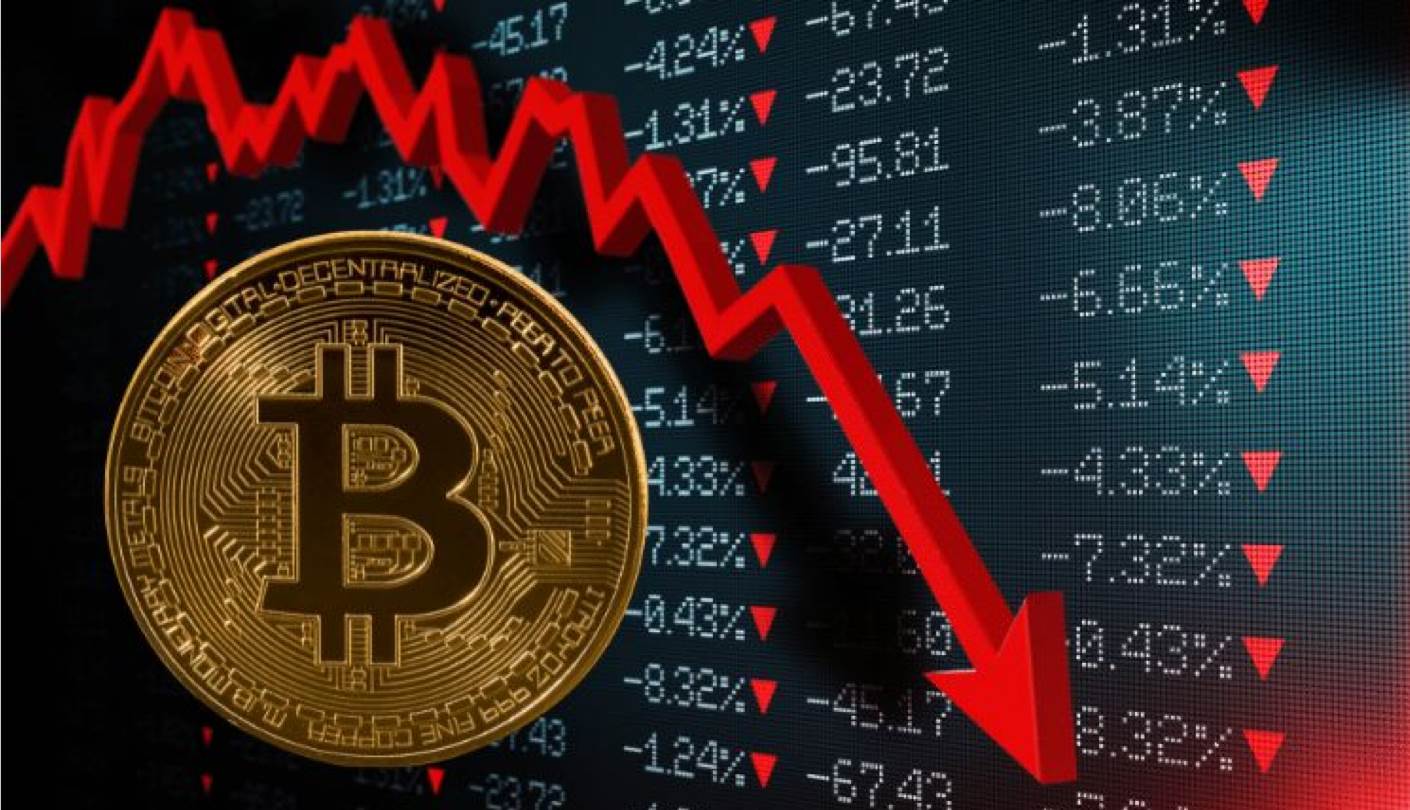
The crisis in the stock market spread: the AI bubble worries and the expected double hit.
On Tuesday, investors in the stock and cryptocurrency markets fell back into a panic pattern. Just the day before, the return of Nvidia’s CEO, Hoang In-hoon, had triggered a massive rebound in risk assets, but the market mood was rapidly reversed.
According to CoinMarnetCap, the Bitcoin transaction price is about US$ 59,500, a 2.74 per cent drop since the opening of the day; the total of the cryptocurrence market has shrunk by 4.44 per cent, to $2.04 trillion. The NASDAQ index and the PIN 500 index are also in decline, returning to a part of Monday’s increase.
CoinMarnetCap fears and greed index (measures the whole encryption market mood), currently at 9/100, are at the same level as Friday readings, at the lowest level since February this year. Only three months ago, the target reached 82 annual heights, with extreme greed.
On Wall Street, CNN's fear and greed index also dropped to 17, entering the “extreme fear” zone, the first low point that the index has touched since March.
Both indices measure investor sentiment using 0 to 100 scales, and the lower the value represents a higher level of fear. They use different approaches, combining market dynamics, volatility and trading behaviour, rather than merely asking investors about subjective perceptions.
Artificial intelligence is the focus of sales.
Last week, the NASDAQ index lost about 10%, the worst week since 2020, and wiped out all of the year’s increases. The PS 500 index fell by more than 10% from its peak in October, officially entering the technical correction area.
The leadership crisis in Inweida has exacerbated market instability. This global leading AI chip manufacturer evaporated almost half of the October highs before the Board of Directors re-appointed Huang In-hoon on Monday.
However, Wong In-hoon’s return to Young Wei Da does not mean that the AI investment will necessarily lead to higher profits. Investors increasingly question whether billions of dollars of infrastructure inputs can generate enough revenue to justify their legitimacy.
Anthropic’s much-anticipated IPO has also not been a booster. The Claude Development Corporation stock fell by its 83-dollar issue price on Tuesday, a decline that was particularly pronounced less than a week after it was listed at $111.50.
On Tuesdays, early-drill transactions dropped 5.8% in Weida, and the AI infrastructure providers, CoreWeave and IREN, fell 6.9% and 9%, respectively. By contrast, health care and essential consumer products boards performed better, indicating that funds were going to business areas less affected by the AI heat.
Federal Reserve Rate Hike expected to suppress the market
Another source of concern for the two markets is the possibility that the US Federal Reserve system will raise the cost of funding at a time when funding is most needed in the AI industry. According to FedWatch data, traders priced 98% for December and 66% for January.
Higher interest rates increase the cost of borrowing for a data centre enterprise and reduce the present value of its expected future profits. At the same time, they make government bonds more attractive than speculative assets such as Bitcoin, which is unable to generate revenue for its holders.
The encryption market is under serious test.
For encrypted investors, this is a bad time. Despite Bitcoin’s brief recovery, the US post Bitcoin ETF recorded $569.7 million in net redemption on Monday.
As of Thursday, there were four trading days, and in November the cumulative outflow of Bitcoin ETF had reached $4.71 billion, exceeding the monthly record established in June.
Bitcoin's dailies show that the cryptocurrency is trying to maintain a price zone that has served as a backstop for many times since 2024. The BTC has fallen by about 53 per cent from its historic peak in October 2025, and the recovery that pushed Bitcoin to break $85,000 in September has largely disappeared.
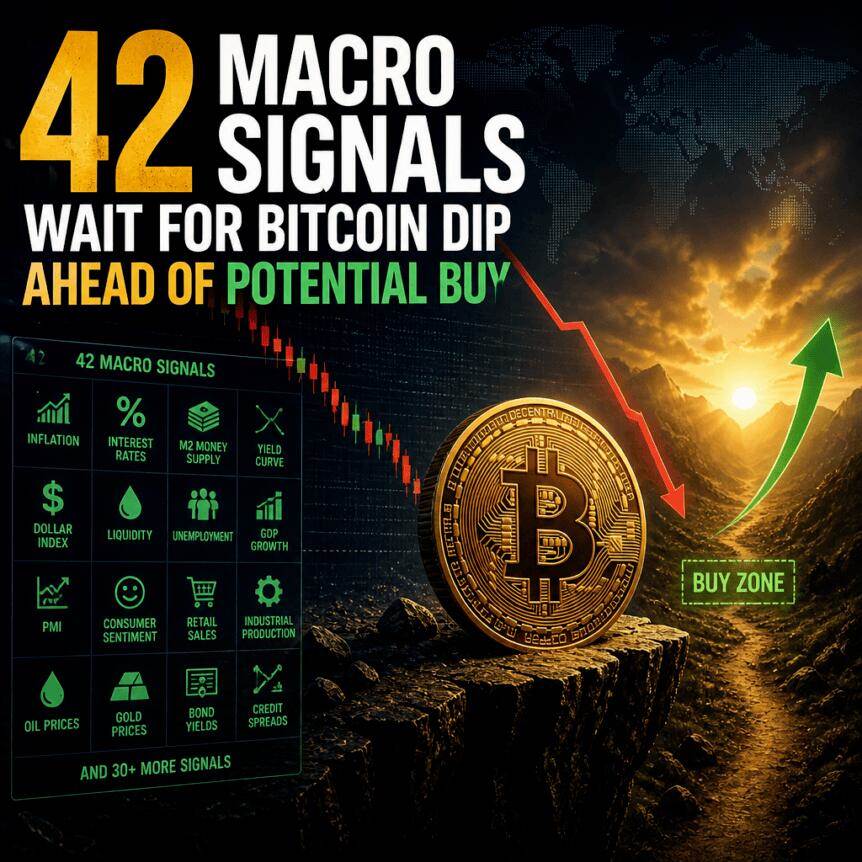
The $60,000 region is particularly critical, as the purchaser intervened at similar prices in February and June. The fall from Friday to $55,000 has created another potential support area, with a historical record of buy-in activity near $50,000 below.
Although extreme fear readings have historically been accompanied by attractive buy-in opportunities, they have difficulty identifying the exact bottom. Bitcoin may last longer under oversold conditions, when insatiable investors withdraw billions of dollars from the market.
Investors will have another important economic data on Wednesday: the United States will publish a personal consumption expenditure report. This is the preferred inflation measure for Federal Reserve, and its last major data release before the December monetary policy conference.