Exchange Ranking
 Top Exchanges
 24h Volume Ranking
 Popularity Ranking
 Exchange BTC Balance
 Proof of Reserves
 Decentralized Exchanges
 Funding Rate
 Funding Heatmap
 Liquidation Data
 Max Pain
 Long/Short Ratio
 Whale L/S Ratio
 Binance/Okex/Huobi L/S
 Bitfinex Margin L/S
 ETF Tracker
 Solana ETF
 XRP ETF
 Hong Kong ETF
 Bitcoin Treasuries
 Crypto Reversal
 Ethereum Reserves
 HyperLiquid Wallet Analysis
 Hyperliquid Whale Watch
 Large Transactions
 On-chain Movement
 Bitcoin ROI
 Stablecoin Market Cap
 Options Analysis
 News
 Articles
 Economic Calendar
 Features
 Wallet
 Contract Calculator


 Security
 Collections
 Watchlist
 Following
Korea proposes to reverse the 2017 ICO ban through new legislation
The Korea Financial Services Commission (FSC) has published a proposal to lift the initial ban on the issuance of coins (ICO) that has been in place since 2017. The proposal, as part of the Digital Assets Act, allows businesses to raise funds through new cryptocurrency issuances.
Stricter information disclosure requirements for issuers
According to the proposal, the issuer of the token is obliged to disclose in the white paper detailed information about his project, including the total supply of the currency, the intended use of the funds raised, and the risk of investment. In addition, they are required to prepare a concise document for individual investors that is similar to the statement of the offer.
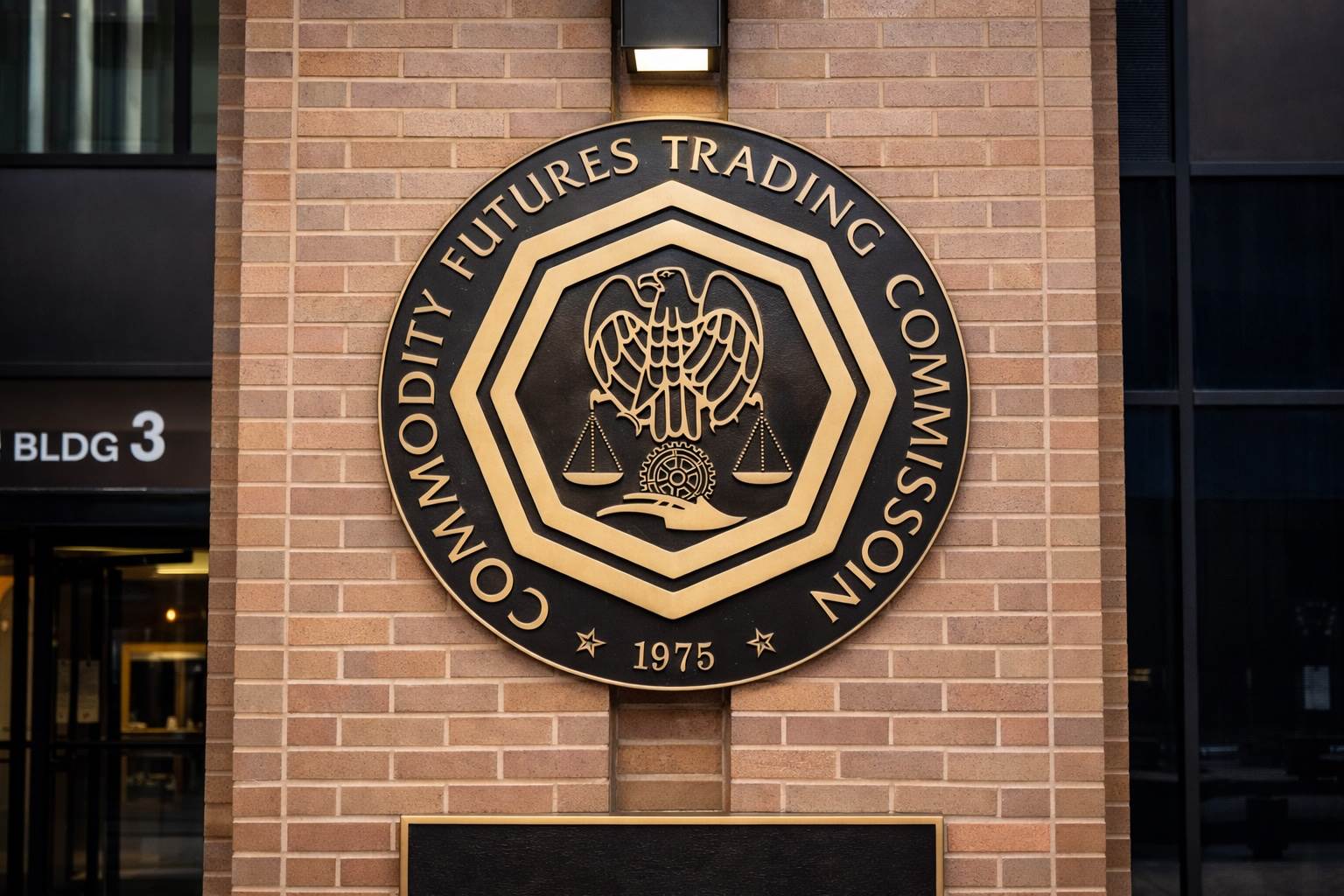
The Financial Services Commission, as the main institution overseeing financial markets, has launched this proposal, which is aimed at directly monitoring the financing process involving the cryptocurency assets.
The 2017 injunction was found to be ineffective.
In September 2017, Korea banned ICO on the grounds of fraud risk, speculative trading, and investor losses. Over time, however, it became more and more difficult to enforce the ban.
In 2019, regulation found that, despite some projects operating ICO processes overseas, it had raised funds from Korean investors. In 2022, the Bank of Korea called for the lifting of the ban, considering overseas registration as a means of circumventing local restrictions.
New reporting obligations to the exchange
The proposal is not only for issuers, but extends to the cryptocurrency exchange. It imposes a requirement on the exchange to disclose significant advances affecting listed currency, including attacks, changes in supply and other significant events that may affect investor decision-making.
In addition, the legislative package limits the Korean Won’s support for stablecoin to a consortium of banks. Through this initiative, Korea’s regulation agency aims to create a more stringent framework for regulating the issuance of coins and digital assets linked to local currency.
The industry is cautiously optimistic.
John Cho of the Kaia DLT Foundation, who is responsible for stablecoin, and the co-founder of Ratio, stated that the ICO model under regulation might simplify access to capital for start-ups in Korea. But he warned that, while the model might not provide full security for investment, it could provide a firmer basis for individual investors to judge the credibility of the project.
John Cho noted that ICO under regulation facilitated access to resources for enterprises, but stressed that it did not in itself guarantee security; rather, it helped individual investors to make more informed project choices.
The proposed legislation still needs congressional approval. Once approved, this will mark an attempt to re-incorporate into the domestic official regulation of the cryptocurrency fund-raising activities that have been substantially transferred abroad.