Exchange Ranking
 Top Exchanges
 24h Volume Ranking
 Popularity Ranking
 Exchange BTC Balance
 Proof of Reserves
 Decentralized Exchanges
 Funding Rate
 Funding Heatmap
 Liquidation Data
 Max Pain
 Long/Short Ratio
 Whale L/S Ratio
 Binance/Okex/Huobi L/S
 Bitfinex Margin L/S
 ETF Tracker
 Solana ETF
 XRP ETF
 Hong Kong ETF
 Bitcoin Treasuries
 Crypto Reversal
 Ethereum Reserves
 HyperLiquid Wallet Analysis
 Hyperliquid Whale Watch
 Large Transactions
 On-chain Movement
 Bitcoin ROI
 Stablecoin Market Cap
 Options Analysis
 News
 Articles
 Economic Calendar
 Features
 Wallet
 Contract Calculator


 Security
 Collections
 Watchlist
 Following
 BTC
 ETH
The U.S. Commodity Futures Trading Commission approved the application for the first blockchain-based derivatives exchange and liquidation
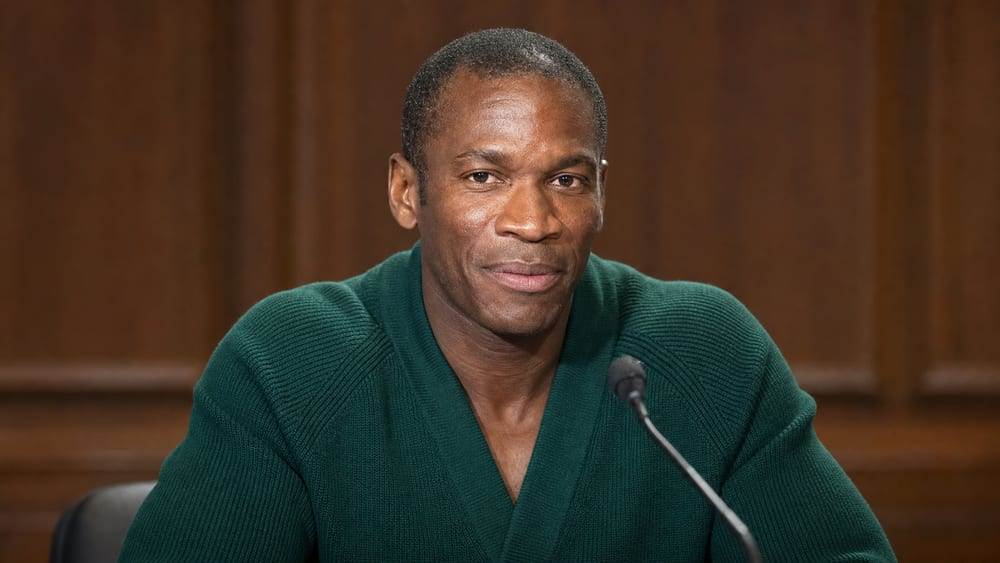
On 16 November, Michael Selig, Chairman of the United States Commodity Futures Trading Commission (CFTC), announced that CFTC had approved the first applications for a derivative exchange based on blockchain technology and for a review. This initiative marked the formal closure of a two-week series of regulation moves, which allowed the United States market, which was subject to regulation, to be opened without any new legislation.
Core elements
Sélig states that the CFTC approved the application of the first company to use the blockchain-based exchange and liquidation, involving the Backpack and the tZero institutions.
Backpack was reported to have been registered simultaneously with the `Designation of Futures Markets' (DCM) and `DCO', which enabled it to operate and conduct its own transactions on its exchange.
CFTC approved the single stocks on 3 November and issued guidance on 5 November for visits to the counties, both of which were earlier than the final approval mentioned above.
Currently, there is only one CFTC member in office, and two more members will be nominated for a hearing this week.
Sélig wrote on social media X: “@CFTC approved the application of the first-ever exchange for the implementation and settlement of derivatives using a blockchain-based structure and a liquidation.” He added that these decisions “reaffirmed the United States attitude to opening business opportunities to innovators”.
@CFTC applied the first option and clearhouse applications for a first utilizing blockchain-basked analysis for the export and settlement of dangerousities. These applications dated there is a new plan for a new generation of market infrequent... https://t.co/m7d9YXHttQ — Mike Selig (@ChairmanSelig) November16, 2026
Three moves in two weeks.
On November 3rd, the CFTC approved a series of rapid decisions. Two days later, the CFTC issued guidance that federal regulation exchanges should not normally restrict access to states, a position that prohibits geographical access restrictions and imposes a single national market.
Backpack and tZero are reported as the first beneficiaries. Backpack is reported to have been granted the “designing the market” (i.e. a licence to run the derivatives exchange) and the “divideration organization” in the package as part of its own trade. The company plans to introduce a 24-hour-day leverage encryption, using a global uniform order book, to support French currency and crypcurency as collateral and to achieve cross-bargoing.
Staff-led regulation instead of legislation
The main difference between this series of decision-making and previous attempts at inclusiveness of encrypted assets lies in the choice of the path. Sélige is promoting the return of offshore operations to localization through staff action rather than legislation.
The first time that this approval has included the discovery of such futures under the supervision of CFTC, is when multiple exchanges, including Hyperliquid, have publicly refused to register in the United States, and have resisted this change.