Exchange Ranking
 Top Exchanges
 24h Volume Ranking
 Popularity Ranking
 Exchange BTC Balance
 Proof of Reserves
 Decentralized Exchanges
 Funding Rate
 Funding Heatmap
 Liquidation Data
 Max Pain
 Long/Short Ratio
 Whale L/S Ratio
 Binance/Okex/Huobi L/S
 Bitfinex Margin L/S
 ETF Tracker
 Solana ETF
 XRP ETF
 Hong Kong ETF
 Bitcoin Treasuries
 Crypto Reversal
 Ethereum Reserves
 HyperLiquid Wallet Analysis
 Hyperliquid Whale Watch
 Large Transactions
 On-chain Movement
 Bitcoin ROI
 Stablecoin Market Cap
 Options Analysis
 News
 Articles
 Economic Calendar
 Features
 Wallet
 Contract Calculator


 Security
 Collections
 Watchlist
 Following
 BTC
 XRP
Bitcoin dropped to $62,100 on the weekend, triggering about $2 billion in encryption assets
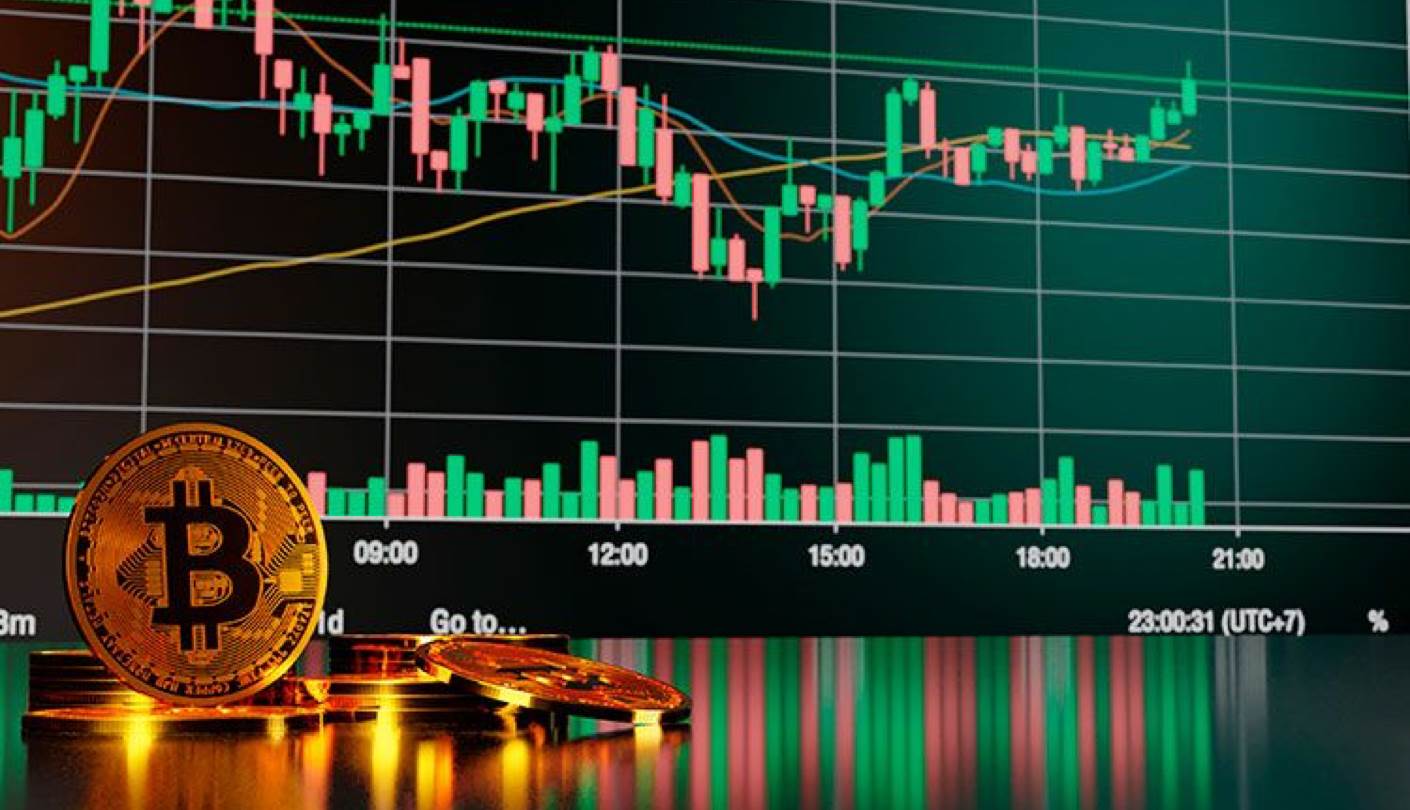
Bitcoin fell to $62,100 during the weekend, triggering a forced silo of about $2 billion in cryptocurrency. Most of the losses came from traders who were betting on price increases.
The sale raises a disturbing question: can artificially intelligently traded robots perform better than human traders? More and more traders are willing to give software a chance. But the answer depends on robots’ programming logic, and the degree of risk that their owners are allowed to take.
Type of AI tool used by cryptocurrency traders
Grid Traded Robots (Grid Bots)
When Bitcoin falls and bounces back in the zone, the robot can use these fluctuations repeatedly. If the price breaks down the zone, the strategy may stop the transaction or leave the holder with the remaining depreciated tokens.
DDCA Bots
They buy in stages and continuously, lowering average entry prices as the market falls. This is for investors who accumulate assets over time. But if the market continues to go down, it can also lead to a larger loss position.
Futures Bots
Futures robots can take advantage of the fall in the market by using the opening to open up. For example, a snapshot of Bitrue AI on November 9 shows that an empty XRP grid strategy uses 15 times more leverage. Such settings can benefit from falling prices, but unexpected rebounds can lead to rapid loss or forced stutter.
The artificial intelligence layer is increasingly helping traders to choose strategies, assess recent price trends, and understand proposed setting parameters. However, it cannot eliminate the bottom market risk.
Despite the collapse of the market, the A.I. trading robots are still widespread.
According to a recent study by Bitrue, as of 15 November, the number of new public GitHub projects, which claim to be “transaction agents”, amounted to 6,121, compared to 1,133 during the same period in 2025. It should be noted that these are software projects, not certified transaction accounts or proven profit-making strategies.
Bitsgap reports that 862 robots were activated on a daily basis in September, an increase of 29% over July. Meanwhile, platforms such as Kraken, Coinbase, OKX and Binance have published tools to allow AI agents to connect to transaction accounts.
This attraction is understandable. The robot can monitor the market while his owner sleeps and follow predefined exit rules during the sharp sale.
This concern emerges clearly from our survey of Bitrue users. Of those interviewed who never used an AI-trading robot, 45.5% listed loss and risk control as their greatest concern.
Another survey of MEXC found that when users were able to limit the amount of money, leverage, warehouse and loss, the willingness of AI to trade increased from 55 per cent to 71.8 per cent.
How Bitrue AI responds to this need
Bitrue AI allows users to be fully informed by displaying the strategic reasoning process, back-scratching data and price bands before setting up the stop-over, stop-loss and maximum take-back limits.
“The red market is the time when discipline is most needed, and this is where the AI trading instrument establishes its status.” According to the Bitrue Institute.
Robots can consistently enforce trade discipline. But, based on historical data, stop-and-rupt instructions may have slide points, and no trading robot can guarantee total protection from loss in a market crash.