Exchange Ranking
 Top Exchanges
 24h Volume Ranking
 Popularity Ranking
 Exchange BTC Balance
 Proof of Reserves
 Decentralized Exchanges
 Funding Rate
 Funding Heatmap
 Liquidation Data
 Max Pain
 Long/Short Ratio
 Whale L/S Ratio
 Binance/Okex/Huobi L/S
 Bitfinex Margin L/S
 ETF Tracker
 Solana ETF
 XRP ETF
 Hong Kong ETF
 Bitcoin Treasuries
 Crypto Reversal
 Ethereum Reserves
 HyperLiquid Wallet Analysis
 Hyperliquid Whale Watch
 Large Transactions
 On-chain Movement
 Bitcoin ROI
 Stablecoin Market Cap
 Options Analysis
 News
 Articles
 Economic Calendar
 Features
 Wallet
 Contract Calculator


 Security
 Collections
 Watchlist
 Following
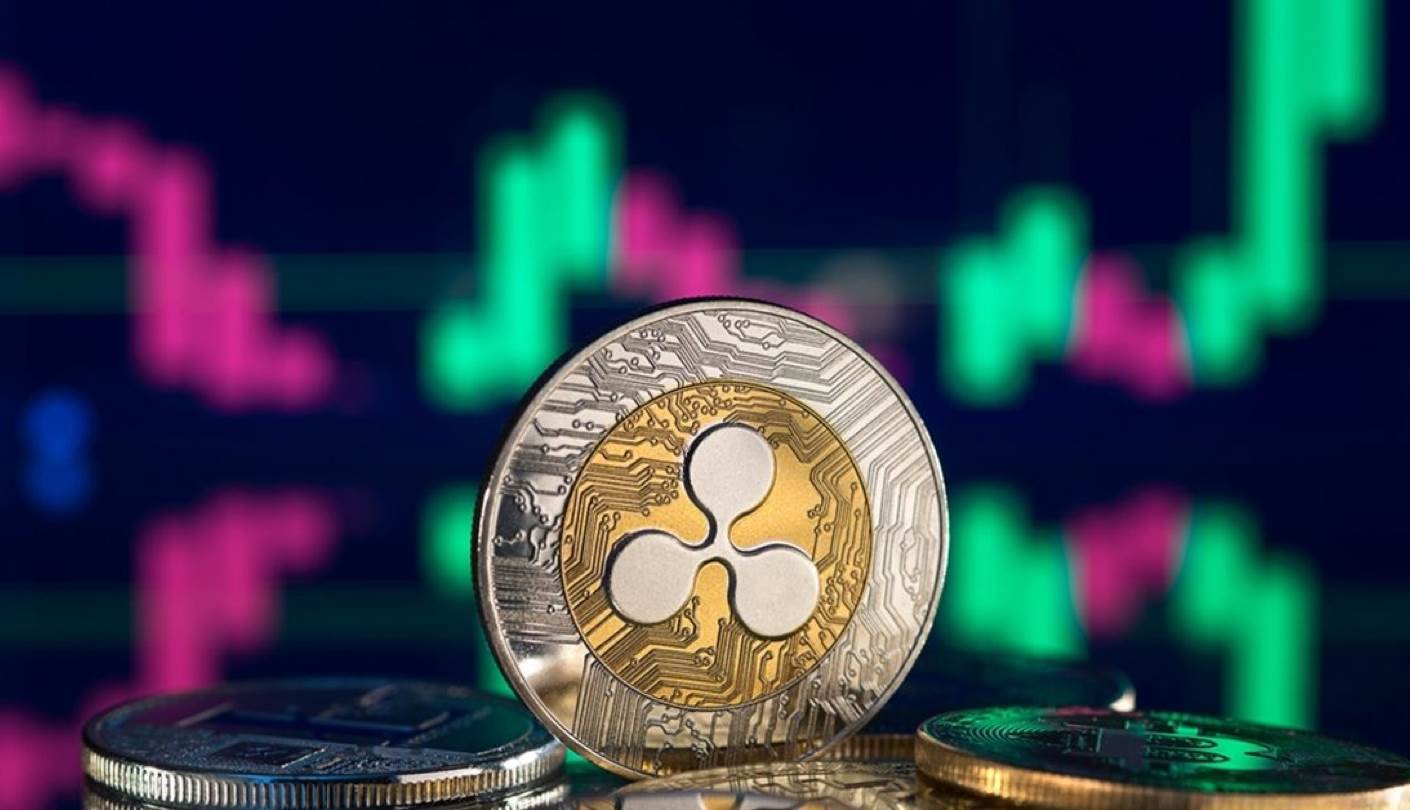
 XRP
The XRP Exchange Trading Fund (ETF) share is included in the collateral basket submitted by Morgan Chase and the United States Bank to the CSWF.
According to Kamilah Stevenson, a financial coach focusing on digital assets, the share of the XRP Exchange Exchange Trading Fund (ETF) has been incorporated into the Morgan Chase and Bank of America’s collateral basket submitted to the CSBF.
Institutional collateral use rather than direct price exposure
Stevenson notes that CSIC did not purchase these ETF shares directly to obtain price openings. On the contrary, CSIC funds are provided through cash lending and take the securities basket, including the XRP ETF share, as collateral for these transactions.
She estimates that the total value of the XRP ETF share of these collateral baskets increased significantly between April and August: from about $36,000 in April to $2 million in June, and over $8 million in August. According to data she cited in her recent YouTube programme, this means an increase of more than 200 times in just a few months.
Stevenson stressed that Craft did not buy XRP or its ETF directly, but rather received it as part of a collateral arrangement to support the loan. She noted that “transaction creates a sense of excitement; while collateral creates a permanent demand.”
The information was still based on the claims in Stevenson ' s video, and she did not disclose the year of reporting, nor did she provide any documentation to independently verify those figures or the sequence of events.
The collateral basket may presage a change in institutional standards.
According to Stevenson, the inclusion of the XRP ETF share in the collateral basket represents an increase in the acceptance of certain digital assets in institutional transactions, but this does not mean that banks are acquiring the XRP itself or holding it for speculation in its prices. These positions are small compared to the size of the secured loans, further confirming the view that these baskets are intended to be risk management rather than asset accumulation.
The use of ETF shares as collateral represents a growing trend in the use of fund shares as collateral for large financial arrangements. Stevenson cites BlackRock, one of the world’s largest asset-management companies, as pushing for greater acceptance of the share of coinized funds as collateral in traditional finance.
She also mentioned that Binance (Binance) accepted the BUILL fund in Beled as collateral and linked it to industry preferences for the blockchain-based collateral. Her analysis showed that assets held for financing purposes provided more stable institutional demand than those purchased purely for the transaction.
Terminology solution: share of the fund for the monetization of funds
This allows for faster, programmable and potentially safer transactions between parties than traditional settlement systems.
Stevenson emphasizes that these developments do not automatically mean that lenders or institutional funds now accept XRP as collateral in itself. She suggests that there may be direct XRP mortgages and cross-currency settlements in the future, but these are still possible future steps, not current practice.
None of these collateral baskets, which include a share of XRP ETF, have been publicly confirmed or specified. The reported figures are only from the video cited.