Exchange Ranking
 Top Exchanges
 24h Volume Ranking
 Popularity Ranking
 Exchange BTC Balance
 Proof of Reserves
 Decentralized Exchanges
 Funding Rate
 Funding Heatmap
 Liquidation Data
 Max Pain
 Long/Short Ratio
 Whale L/S Ratio
 Binance/Okex/Huobi L/S
 Bitfinex Margin L/S
 ETF Tracker
 Solana ETF
 XRP ETF
 Hong Kong ETF
 Bitcoin Treasuries
 Crypto Reversal
 Ethereum Reserves
 HyperLiquid Wallet Analysis
 Hyperliquid Whale Watch
 Large Transactions
 On-chain Movement
 Bitcoin ROI
 Stablecoin Market Cap
 Options Analysis
 News
News Articles
 Economic Calendar
 Features
 Wallet
 Contract Calculator


 Security
 Collections
 Watchlist
 Following
U.S. Treasury Department data shows a 18% surge in reports related to "pig butcher" scams
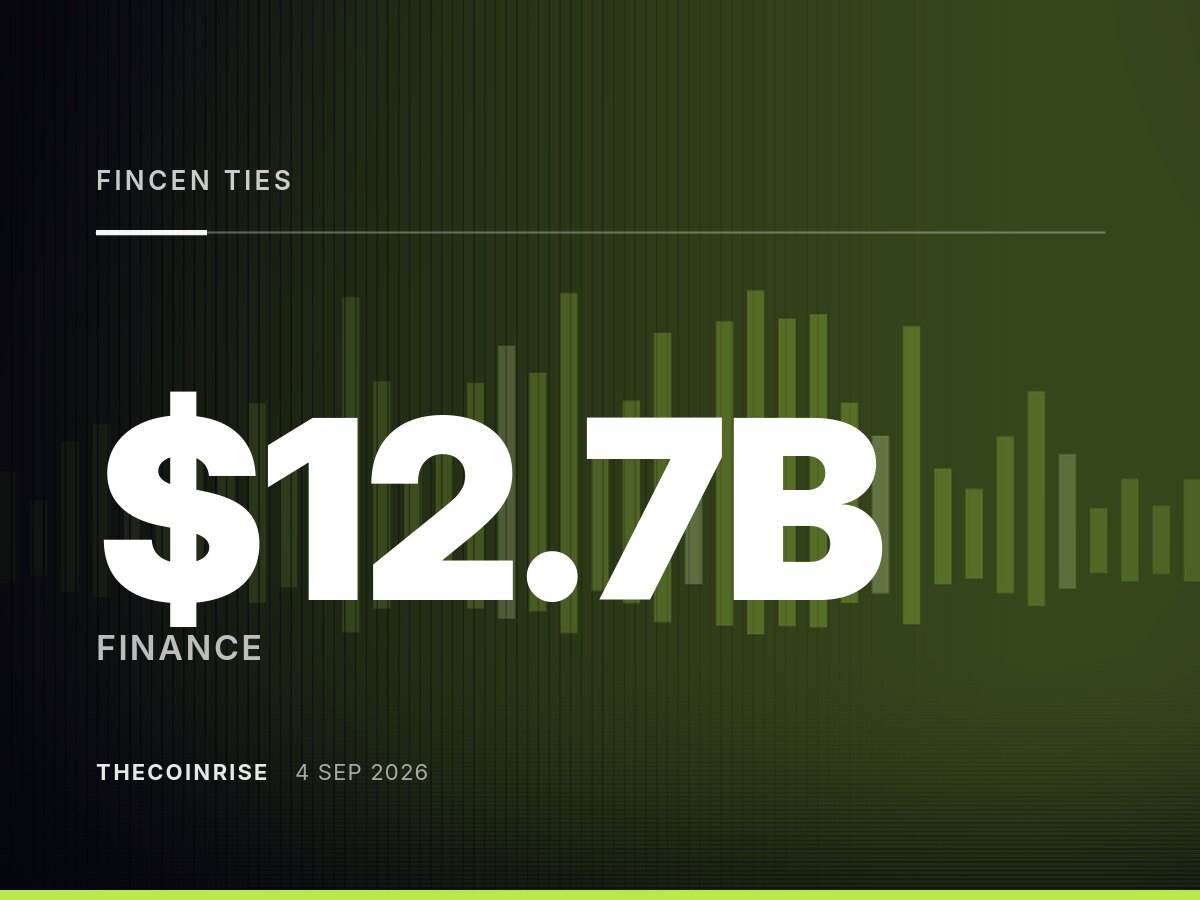
The U.S. Treasury Department's Financial Crimes Enforcement Network (FinCEN) has linked $12.7 billion in cryptocurrency transactions to fraud networks operating in Southeast Asia. This data stems from internal analysis of financial data and suspicious activity reports submitted by banks and crypto companies.
FinCEN also noted that the number of reports related to such scams increased by 18% compared to the previous period. The increase may indicate that the scale of fraud is expanding, or it may mean that financial institutions have improved their ability to detect suspicious transactions under U.S. anti-money laundering laws.
Such scams are often referred to by investigators as "pig killing trays" scams. Criminal networks often build trust with victims online by disguising them as romantic or friendly relationships, and then trick them into transferring funds to fake cryptocurrency investment platforms. Victims think they are trading or investing, but in fact these platforms are completely controlled by fraudsters.
Southeast Asia becomes the hardest hit area for fraud
Southeast Asia has become the center of such fraud. Reports from human rights organizations and law enforcement agencies confirm the existence of large closed parks in countries such as Myanmar, Cambodia and Laos. According to reports, many parks hold trafficked workers who are forced to run fraud businesses under threat of violence.
FinCEN's responsibilities are to track the flow of illicit funds and share intelligence with law enforcement agencies and financial institutions. Its report data mainly comes from suspicious activity reports. When banks, money services companies and some crypto exchanges discover potential illegal transactions, they must submit such reports. The agency itself does not directly prosecute cases, but supports investigations by agencies such as the FBI and the Justice Department.
This $12.7 billion figure represents financial flows identified through financial reports, rather than the total amount of stolen funds that has been confirmed. Because not all fraudulent transactions are flagged or reported, the actual losses associated with these fraudulent networks may be higher. The use of cryptocurrencies in these scams has attracted continued attention from regulators because digital assets can move across national borders faster and less regulated than traditional banking.
Market Impact and Compliance Pressure
While U.S. authorities are increasingly focusing on stablecoins and crypto exchanges as conduits for funds derived from fraud, some platforms have worked with law enforcement to freeze suspected wallets, while others have been criticized for insufficient compliance controls. FinCEN's latest disclosure further demonstrates the deep penetration of organized fraud networks in the crypto market.
The timing of the report's release also reflects the overall momentum of the global anti-fraud campaign. In the past two years, governments in Southeast Asia and international organizations have jointly launched a coordinated crackdown on fraud parks. Despite raids and the rescue of some trafficked workers, these networks have shown great resilience, often choosing to relocate business locations rather than shut them down completely.
This disclosure is unlikely to directly drive cryptocurrency price volatility, but it adds pressure on exchanges and stablecoin issuers to strengthen compliance plans. Regulators may use the data to provide a basis for strengthening stricter reporting requirements for platforms involved in cross-border transactions in Southeast Asia. Exchanges and payment processors may face greater scrutiny of accounts linked to flanged wallet addresses. As banks and regulators require more comprehensive transaction monitoring, compliance costs for crypto companies operating in or near affected areas may rise.
FinCEN's findings highlight the scale of cryptocurrency-enabling fraud originating in Southeast Asia and the continuing challenges regulators face in curbing such behavior. The 18% increase in the number of reports suggests that despite ongoing law enforcement actions, the problem has not narrowed.
FAQs
What is FinCEN?
FinCEN (Financial Crimes Enforcement Network) is an agency within the U.S. Department of the Treasury that collects and analyzes financial data to combat money laundering and other financial crimes.
What does the figure of US$12.7 billion represent?
It reflects FinCEN's volume of cryptocurrency transactions linked to investment fraud networks located in Southeast Asia based on suspicious activity reports and financial data analysis.
What is a "pig killing plate" fraud?
This is a type of fraud where fraudsters first establish long-term online relationships with victims and then persuade them to invest in fake cryptocurrency platforms.
Why is Southeast Asia associated with these scams?
Investigators have discovered large fraud parks in countries such as Myanmar, Cambodia and Laos, some of which are allegedly made up of trafficked workers who are forced to run fraud operations.
Does this report confirm the total losses of these scams?
No, this figure reflects financial flows identified through financial reports and may not capture the full picture of losses because not all fraudulent transactions will be reported.