Exchange Ranking
 Top Exchanges
 24h Volume Ranking
 Popularity Ranking
 Exchange BTC Balance
 Proof of Reserves
 Decentralized Exchanges
 Funding Rate
 Funding Heatmap
 Liquidation Data
 Max Pain
 Long/Short Ratio
 Whale L/S Ratio
 Binance/Okex/Huobi L/S
 Bitfinex Margin L/S
 ETF Tracker
 Solana ETF
 XRP ETF
 Hong Kong ETF
 Bitcoin Treasuries
 Crypto Reversal
 Ethereum Reserves
 HyperLiquid Wallet Analysis
 Hyperliquid Whale Watch
 Large Transactions
 On-chain Movement
 Bitcoin ROI
 Stablecoin Market Cap
 Options Analysis
 News
 Articles
 Economic Calendar
 Features
 Wallet
 Contract Calculator


 Security
 Collections
 Watchlist
 Following
 BTC
Core Summary
Five major freedoms establish policy frameworks, privacy compliance and regulatory priorities
Michael Saylor proposes five core rights: create, issue, custody, transfer and use digital assets. He set a goal to provide financing for 10 million new companies by accelerating the issuance of digital tokens.
Thaler urged banks to hold Bitcoin under clearer capital rules and provide credit support. He criticized the CLARITY Act's methodology and predicted that the outlook for the digital asset industry would reach $100 trillion.
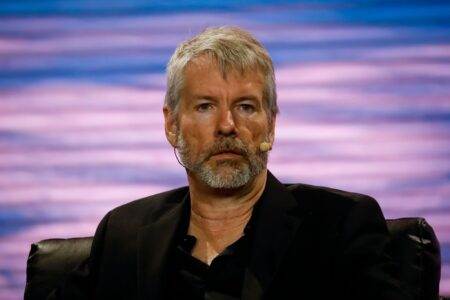
Digital asset rights form the core of Michael Siler's policy speech at the Bitcoin Policy Institute's Free Tech DC Summit. In a conversation with Conner Brown, Siler laid out a framework based on the "five freedoms", including the right to create, issue, trust, transfer, and use digital assets. [TAG
He argues that AI-driven, more productive economies need better money and better capital markets. He said growth in AI output should match growth in financial access.
Five Freedom Anchoring Policy Frameworks
Thaler's proposal is based on treating digital asset rights as shared ownership by individuals and businesses. "Freedom begins with the ability to act," Siler said.
这五项自由各自服务于不同的目的,从创建新的金融工具到利用持仓进行消费和借贷。该框架还呼吁建立支持新企业形成的融资结构。塞勒设定了一个目标,即通过数字代币帮助1000万家新公司筹集资金。
他描述说,当前的发行规则对于缺乏广泛法律资源的创业者来说成本过高且过于复杂。他表示,降低这些成本将使更多创始人能够直接向投资者融资。
数字美元提供商之间的竞争是讨论的另一部分。塞勒表示,银行、金融科技公司和技术平台应拥有提供美元支持型数字产品的清晰路径。他还认为,应允许发行人就收益率展开竞争。那些偏向于支付低利息机构的限制措施不利于客户。
比特币融入银行业和保险业也受到了单独关注。塞勒呼吁银行托管比特币并以其为抵押品提供信贷。他指出,巴塞尔协议对加密资产敞口的资本处理是需要审查的领域。规则应反映实际风险。
隐私、合规与监管优先事项
在日常交易方面,金融隐私在塞勒的言论中占据突出地位。他提出,低于有意义阈值的合法交易不应触发常规报告要求。塞勒引用了1972年设定的过时的1万美元现金交易阈值作为例子,认为需要针对通货膨胀进行调整。
Portable compliance certificates are also part of policy recommendations. Siler described repeated authentication between financial counterparties as expensive and inefficient for investors. He suggested using reusable, interoperable credentials to reduce on-site costs while retaining provider responsibility for monitoring risks. He said lower costs will help the new company compete with customers.
The tax treatment of daily digital asset expenditures is another focus area. Thaler believes that a meaningful minimum exemption would eliminate the burden of calculating the proceeds of regular purchases. He said thresholds should be adjusted for inflation and eliminate unnecessary record-keeping of transactions on a case-by-case basis.
In terms of regulatory strategy, Selle pointed to the Securities and Exchange Commission (SEC), the Commodity Futures Trading Commission (CFTC), the Ministry of Finance and the White government as the near-term path. He criticized the CLARITY method for emphasizing limitations rather than practicality. If policies expand rather than restrict ownership rights, Siler predicts that the digital asset industry could be worth US$100 trillion.