Exchange Ranking
 Top Exchanges
 24h Volume Ranking
 Popularity Ranking
 Exchange BTC Balance
 Proof of Reserves
 Decentralized Exchanges
 Funding Rate
 Funding Heatmap
 Liquidation Data
 Max Pain
 Long/Short Ratio
 Whale L/S Ratio
 Binance/Okex/Huobi L/S
 Bitfinex Margin L/S
 ETF Tracker
 Solana ETF
 XRP ETF
 Hong Kong ETF
 Bitcoin Treasuries
 Crypto Reversal
 Ethereum Reserves
 HyperLiquid Wallet Analysis
 Hyperliquid Whale Watch
 Large Transactions
 On-chain Movement
 Bitcoin ROI
 Stablecoin Market Cap
 Options Analysis
 News
 Articles
 Economic Calendar
 Features
 Wallet
 Contract Calculator


 Security
 Collections
 Watchlist
 Following
 BTC
 ETH
Analysis of report content
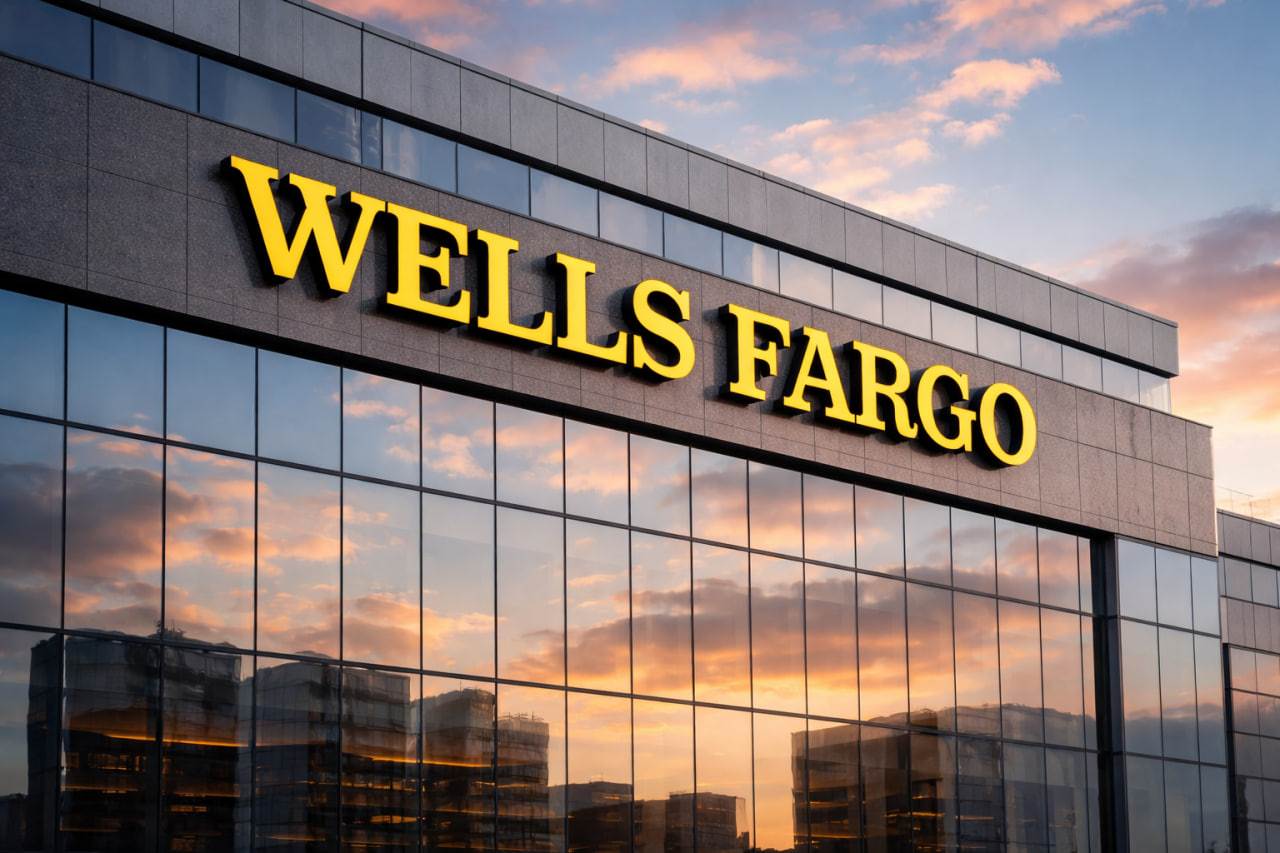
CoinDesk reported that Wells Fargo and Payward are discussing issues related to the liquidity of cryptocurrency transactions. Currently, the two parties have not announced any agreement, launch date, product scope or list of qualified customers.
The core role of liquidity
Liquidity determines the execution quality of cryptocurrency orders. From a practical perspective, liquidity refers to the pool of buyers and sellers available in the market when customers want to trade. Greater liquidity makes it possible to quickly complete large orders without significantly deviating from the market price displayed on the screen.
This is particularly important when banks serve wealthy individual, corporate or institutional customers who may wish to conduct transactions far exceeding ordinary retail orders. Simply having sophisticated apps and well-known banking brands does not guarantee competitive execution. Banks also need to be able to process prices when orders arrive, counterparties and support from trading systems.
Payward's Market Layout
Payward has been building services around this market area. Its public information describes a business landscape that transcends the Kraken Exchange, covering trading, custody, payments, lending and institutional infrastructure.
Payward's website lists Kraken Prime as one of its banking products, while also offering services designed specifically for professional market participants.
Enlightenment from existing cooperation cases
Payward 已经有一个公开的示例,展示了此类合作关系如何运作。在 10 月 5 日的公告中,新加坡海湾银行(Singapore Gulf Bank)表示,它将使用 Kraken Prime 作为额外的数字资产流动性来源,并利用 Payward 的市场为其客户定价交易。
Payward 与新加坡海湾银行的合作还将这种市场访问权限与该银行的清算网络提供的全天候结算联系起来。客户可以在常规银行截止时间之外将资金转入交易环境,而专业提供商则贡献定价和加密货币市场的访问权限。
这种安排并未透露与富国银行讨论的具体条款。然而,它展示了 Payward 向受监管银行公开提供的基础设施类型:即在传统客户账户与拥有既定市场准入权的加密货币交易场所之间建立连接。
“加密货币交易”涉及的多重职能
“加密货币交易”可以描述多种不同的功能。拥有客户关系的一方可能并非执行交易、持有资产或结算交易的一方。分离这些职能允许银行在缺乏自身市场基础设施的情况下,通过依赖专业提供商来增加加密货币服务。
银行与流动性提供商合作的潜在架构
CoinDesk's report did not say which functions might form part of Wells Fargo's arrangement. This distinction will shape the customer experience, regulatory obligations, and the risks each company assumes.
Execution quality becomes part of bank products
If banks provide customers with a way to buy and sell cryptocurrencies, execution costs will quickly emerge through the final price. Wide spreads, delayed deals or limited access during periods of volatility can make the service less useful, even if banks do a good job of customer onboarding and compliance.
Working with large liquidity providers can solve some of the problems, but it also leads to reliance on the providers 'markets, technology and risk controls. The service requires clear rules to handle pricing, downtime, withdrawals, settlement times and how customer assets are handled. For users, these details are often more important than announcing new trading options.
Five practical questions need to be answered for any protocol
- Who can use it? Institutional products are very different from what customers get through consumer banking applications.
- What can customers trade? Spot cryptocurrencies, derivatives, stablecoins and tokenized assets each raise independent operational and regulatory issues.
- Who controls hosting? The escrow model determines who holds the private key and how withdrawals are processed.
- How to settle cash and cryptocurrency? Settlement speed and availability of funds affect whether services can operate outside bank business hours.
- Where will it be available? Licensing and customer qualifications can vary significantly between jurisdictions.
The reported conversation does not establish the fact that Wells Fargo has launched a cryptocurrency trading service. Instead, they point to a path banks might take as digital asset markets mature: keep customer relationships and bank control internally while connecting to specialist companies to gain market access that is difficult to establish alone.
This article is for information purposes only and does not constitute investment or financial advice. Reported discussions do not necessarily lead to an agreement or a product release.