Exchange Ranking
 Top Exchanges
 24h Volume Ranking
 Popularity Ranking
 Exchange BTC Balance
 Proof of Reserves
 Decentralized Exchanges
 Funding Rate
 Funding Heatmap
 Liquidation Data
 Max Pain
 Long/Short Ratio
 Whale L/S Ratio
 Binance/Okex/Huobi L/S
 Bitfinex Margin L/S
 ETF Tracker
 Solana ETF
 XRP ETF
 Hong Kong ETF
 Bitcoin Treasuries
 Crypto Reversal
 Ethereum Reserves
 HyperLiquid Wallet Analysis
 Hyperliquid Whale Watch
 Large Transactions
 On-chain Movement
 Bitcoin ROI
 Stablecoin Market Cap
 Options Analysis
 News
 Articles
 Economic Calendar
 Features
 Wallet
 Contract Calculator


 Security
 Collections
 Watchlist
 Following
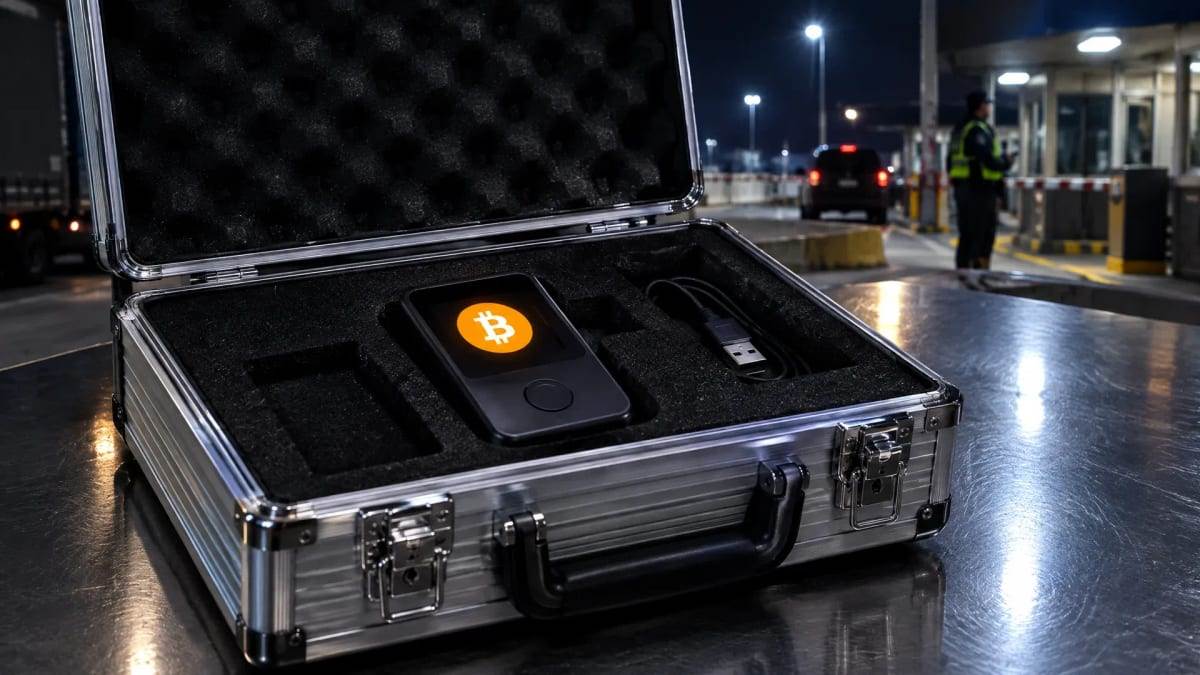
Visa launched an upgraded Wallet to support AI proxy identification and transaction execution
The Cryptocurrency Research Unit of the paying giant Visa is expanding its tools to enable Autonomous Intelligences to work, generate income and consumption on behalf of users. Visa has launched a new type of walklet for fast-growing financial instruments: software designed specifically for artificial intelligence agents, not human users. The company’s cryptocurrency research department, Visa Crypto Labs, has released this new version to users in the United States.
The design of the Wallet is based on the command line interface, a format that is usually used by developers and automateds, rather than by consumer-oriented applications. Its core function is to identify. As artificial intelligence agents increasingly assume tasks involving the transfer of funds, the enterprise needs to identify which agents are legitimate and authorized to act. The Visa tool aims to check their identity before the agent initiates the transaction, an initiative aimed at reducing the risk of fraud in automated businesses.
From “functional” to “entity”: a shift in the perception of AI in the payment industry
This release reflects a broader shift in the way payment companies think about artificial intelligence. Companies like Visa no longer see AI as a function of existing applications, but rather build infrastructure and see AI agents as independent trading entities.
The report states that the Wallet enables the AI system to work and earn value on behalf of users. This expression points to a vision that software agents can reduce direct human intervention when they perform their tasks, generate value and transfer funds. However, this model also raises questions about regulation, as it ultimately entails accountability for agency behaviour and spending decisions.
Strategic extensions: programmable currency and compliance tests
Visa has been building infrastructure related to cryptocurrency for many years, including a stablecoin settlement pilot and a payment network based on blockchain. This agent, Wallet, is in line with this trend, further extending the company’s efforts to program the money field, so that transactions can be automatically triggered by software, rather than relying on manual brush cards or bank transfers.
The current rollout (publication) limited to the United States region suggests that Visa may wish to test the product in a single regulation environment before it is expanded. Financial regulation institutions have shown growing interest in the cross-cutting area of artificial intelligence and cryptocuracy, particularly in the areas of authentication and anti-fraud control.
Detailed information on specific partners, transaction restrictions or bottom hosting arrangements is not yet disclosed.
Market impacts and future prospects
For cryptocurrency and the payment industry, the release marks a combination of the continuing interest of institutions: linking certification techniques like blockchain to mainstream financial networks. A major payment network that supports agency-based transactions may speed up machine adoption of machine (M2M) business models, a subject that has attracted the attention of stablecoin distributors and cryptocurrency infrastructure companies.
This may also put pressure on competitors in the areas of payment and cryptocurency walklet to develop comparable identification tools for AI agents. If autonomous agents become common participants in business, certification techniques may become standard configurations for the entire industry, as do double-factor certification (2FA) for human users.
Visa’s upgraded Wallet marks another step forward in the payment industry in building a credible infrastructure to support AI-driven transactions. Its long-term impact will depend on its adoption beyond the initial US release, and how regulation institutions respond to the autonomous agents that handle the funds.
Common Question Answers (FAQ)
Visa's new wallet. What's up?
It was reported that the new Wallet in Visa allowed identification of AI agents before they initiated the transaction.
Who developed this?
Visa Crypto Labs, the company ' s cryptocurency-focused research department, developed and launched the upgrade tool.
Who can use this for now?
According to the reports reviewed, the upgrade is currently open only to users in the United States area.
Does this mean that AI agents can spend money without supervision?
It was reported that the walklet allowed AI agents to work on behalf of users and to earn income, but that specific restrictions or oversight mechanisms were not specified in the available sources.
How does this fit into the broader cryptocurrence strategy of Visa?
It expands the ongoing work of Visa on payment infrastructure and programmable currency based on blockchain, building on early stablecoin and settlement initiatives.