
 Exchange Ranking
 Top Exchanges
 24h Volume Ranking
 Popularity Ranking
 Exchange BTC Balance
 Proof of Reserves
 Decentralized Exchanges
 Funding Rate
 Funding Heatmap
 Liquidation Data
 Max Pain
 Long/Short Ratio
 Whale L/S Ratio
 Binance/Okex/Huobi L/S
 Bitfinex Margin L/S
 ETF Tracker
 Solana ETF
 XRP ETF
 Hong Kong ETF
 Bitcoin Treasuries
 Crypto Reversal
 Ethereum Reserves
 HyperLiquid Wallet Analysis
 Hyperliquid Whale Watch
 Large Transactions
 On-chain Movement
 Bitcoin ROI
 Stablecoin Market Cap
 Options Analysis
 News
News Articles
 Economic Calendar
 Features
 Wallet
 Contract Calculator


 Security
 Collections
 Watchlist
 Following
 ACX
ACX  HFT
HFT  PYR
PYR  VANRY
VANRY  VIC
VIC  PIVX
PIVX Why Binance removed these six tokens on August 17
Binance removed six tokens from the spot market at one time. Across Protocol (ACX), Hashflow (HFT), PIVX, Vulcan Forged (PYR), Vanar (VANRY) and Viction (VIC) will stop trading at 03:00 UTC on August 17, becoming the latest victims of the exchange's regular asset review. The delisting announcement issued on August 3 adopted a unified interpretation for all six tokens, citing liquidity, development activities, token economics and regulatory factors, but did not point out specific issues for any individual token. This wording conceals the fact that each token was selected for its own reasons, and in multiple cases, the project parties themselves have promoted the outcome. These tokens all bear surveillance tags before delisting, and some have existed since April. This round is Binance's fourth cleanup in 2026. This brings the total number of coins removed this year to 21.
Across Protocol: Tokens that teams are gradually shutting down
ACX is the clearest reason among the six tokens. Earlier this year, the team proposed converting Across DAO to a U.S. Class C company, a plan that involves shutting down ACX tokens through equity swaps and USDC buybacks of holders. A token whose creator himself planned to retire has little reason for the exchange to remain open, which is why Coinbase suspended ACX trading at the end of July based on the same logic. Timing makes the situation worse. On July 17, an attacker used the protocol's off-chain relay software on Solana to steal approximately $3.6 million from Relayer's reserves through a counterfeit deposit incident. User funds remained intact and the team fixed the vulnerability, but the incident exposed the bridge's reliance on off-chain infrastructure.# The tagged address of the PeckShieldAlertAcross Protocol attacker refunded 331.8 $ETH (~$623.9K) to Across Protocol Hub Pool Owner Multisig.@ AcrossProtocolwas attacked on#Solana,resulting in ~$3.6M worth of cryptos being drained。- PeckShieldJuly 28, 2026ACX is currently trading at close to US$0.04, having previously reached a high of US$1.74, down about 98% from its historical high. Its value on Binance books is approximately US$38 million, making it the largest token in the group.
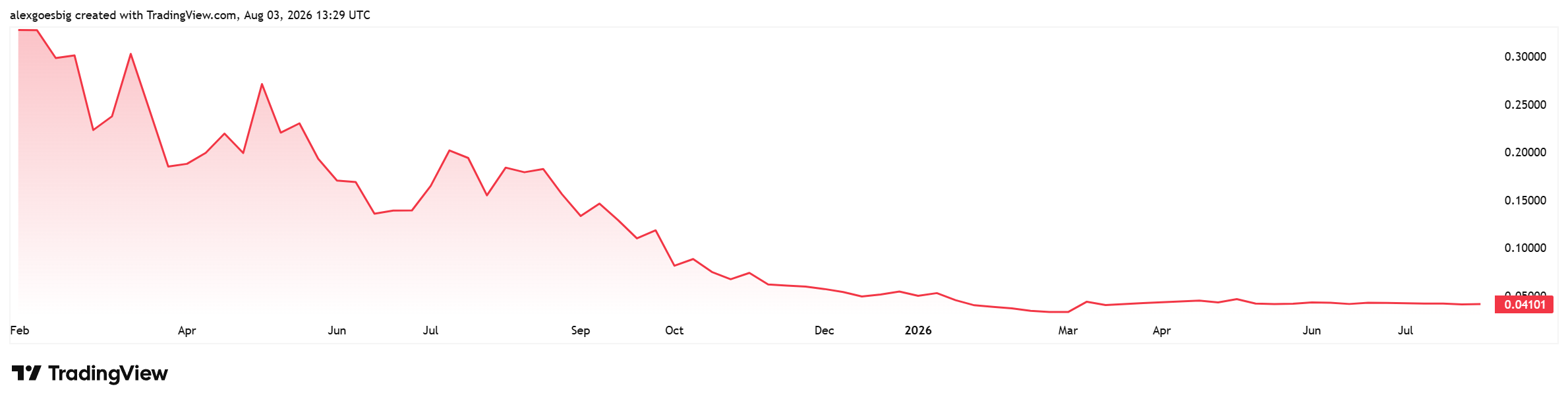 Source:ACXUSD from TradingView
Hashflow's token economics caused damage
Hashflow's products are effective. Its inquiry engine routes transactions through professional market makers and has processed billions of dollars in transaction volume with zero slippage, connecting platforms such as 1inch and Jupiter with institutional pricing. The problem lies with the tokens. HFT is unlocked in large quantities every day and continues to increase the circulation supply. This continuous dilution exceeds any actual holding demand. Early supporters and market makers unlocked and sold off in a shrinking market, causing prices to fall to a historical low of approximately $0.007 on announcement day, down approximately 99.5% from their February 2023 peak. With a market capitalization of nearly US$7.7 million and liquidity that has continued to shrink for months, HFT hit the low volume threshold Binance uses to mark spot trading pairs.
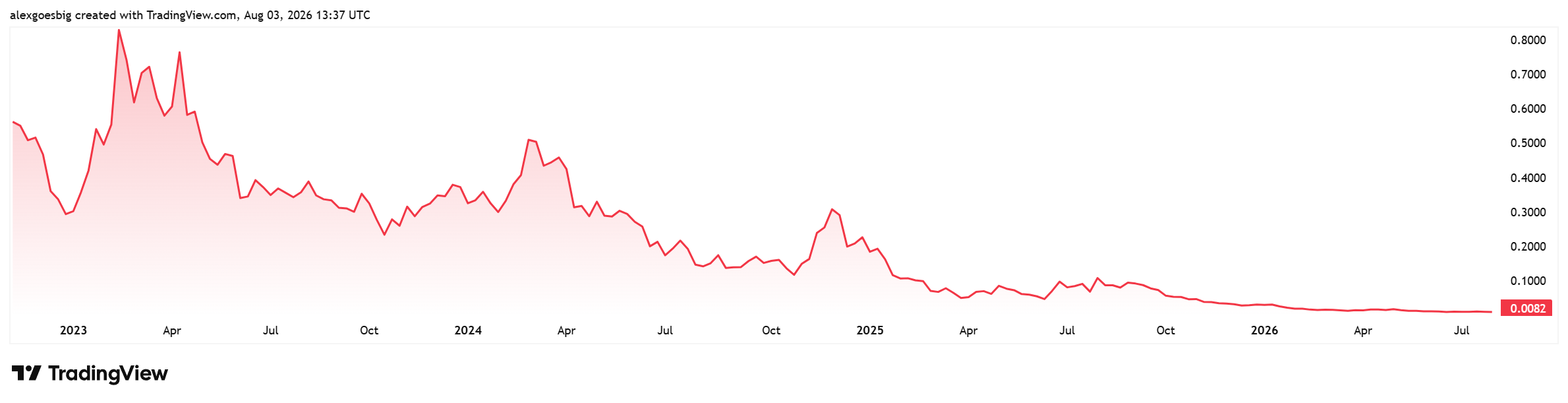 Source:HFTUSD from TradingView
Squeeze on PIVX and Privacy Coin
PIVX was not hacked and was not reorganized. It is caught in a regulatory trend that has been purging privacy coins from mainstream exchanges for years. Amid growing anti-money laundering pressure in Europe's MiCA framework and elsewhere, exchanges that want to protect their operating licenses have been quietly removing tokens that allow users to hide transaction data. PIVX is built around blocking transactions and falls into this category. Tightening of currency security phase: In April 2026, it removed PIVX from margin, leverage and lending products, cutting off traders who provide most of the depth. Subsequently, a monitoring tag was added on June 18, marking that the token was highly volatile and had poor liquidity. After the leverage disappeared, spot trading volume collapsed, triggering automatic line removal. PIVX still runs an active network of master nodes with annualized revenue of approximately 15%, and recently launched a BTCPay Server plug-in for transparent and blocked payments. But none of this answers the question a compliance-focused exchange is really asking: Why should a blocked trading asset appear on its ledger? PIVX is trading at approximately $0.035, down more than 99% from the all-time high of more than $13 set in late 2017.
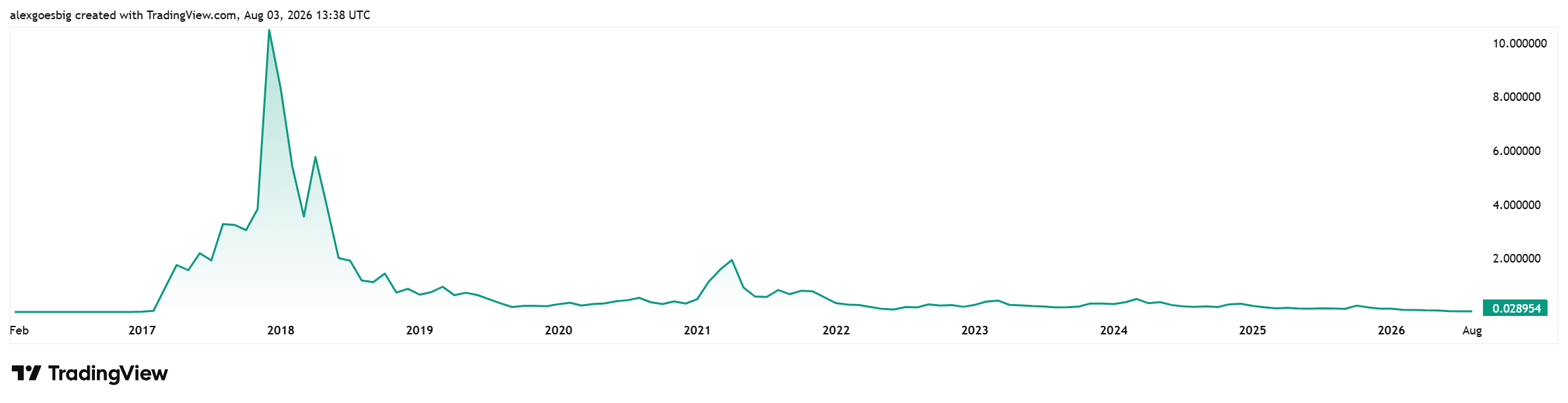 Source:PIVXUSD from TradingView
Vulcan Forged is rebuilding from scratch
The problem with PYR is that the project that holds it is collapsing. In July, the studio opened emergency de-listing to all users and said it was considering a comprehensive restart, including a new management team, new funding and a leaner system. As cracks appeared before the uncertain rebuilding of the ecosystem, holding the token began to look like a bottomless risk for any platform. Binance had begun to remove infrastructure before delisting. On July 14, it stopped PYR withdrawals on Polygon and added tags on July 3. The game's assets, which peaked above $10.70, are now trading at close to $0.07 and have a market value of less than $4 million. No exchange wants to host a token whose issuer is dismantling its underlying ecosystem.
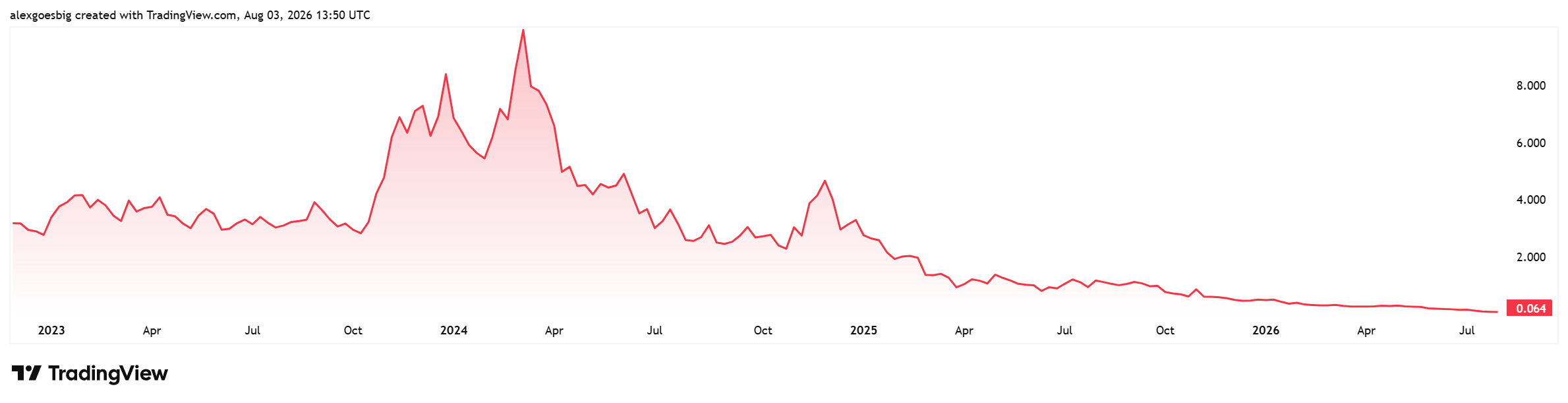 Source:PYRUSD from TradingView
Vanar's corporate story has never been shown on the chain.
VANRY markets it with partnerships with brands such as Legendary Entertainment, Paramount and Hero MotoCorp, yet the network remains silent. Total lockups and daily DeFi activity are almost zero, and these collaborations never translate into stable on-chain fees. The structural warning appeared on July 16, when Binance suspended VANRY's replenishment and withdrawal on its native Vanar Chain and restricted the token to its Ethereum wrapper. Forcing a Layer-1 token to leave its own network is an unusual step, indicating that exchanges no longer trust the chain for custody. VANRY is down approximately 98% from its December 2024 peak.
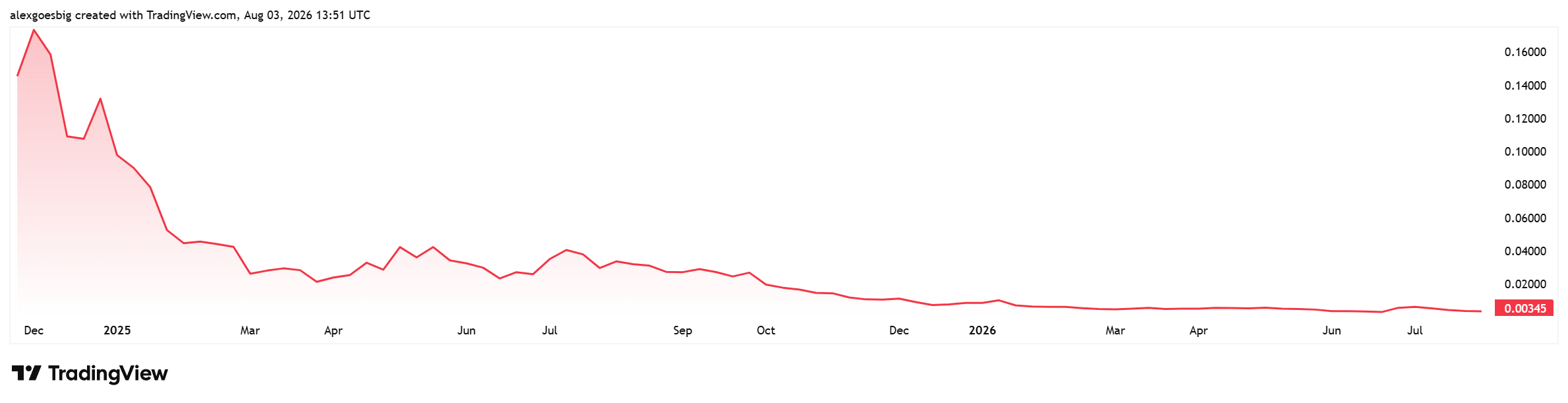 Source:VANRYUSD from TradingView
Vanar is now migrating to Base. Binance has confirmed that it will not support this migration and that holders will need to transfer their own tokens through Vanar's own portal. Regarding the delisting, the team attributed it to Binance's review cycle rather than judging the project, and said the launch of Base will proceed on its own schedule. To our Vanar community: As you may have seen, Binance will remove VANRY from the market on August 17 as part of its own review cycle. This is Binance's decision, not a judgment on what we build or Vanar's future direction. We've been building the stack needed for this space over the past year... - Vanar (@Vanarchain) August 3, 2026
Viction entered the list through additional issuance
Viction remains technically active, with the most recent hard fork on June 30, which makes it unusual. The problem lies in governance. The VIP #1 proposal doubled the maximum supply of tokens and created 110 million new VICs, of which 80 million were used for ecosystem development and 30 million were used for master node rewards. Holders understand the consequences of dilution and sell. Binance marked the VIC as early as April 30 due to delays in main-network upgrades and declining liquidity, and supply expansion further depressed transaction volume rather than repaired it. The token is currently trading at close to $0.03, down approximately 98% from the high reached in November 2024.
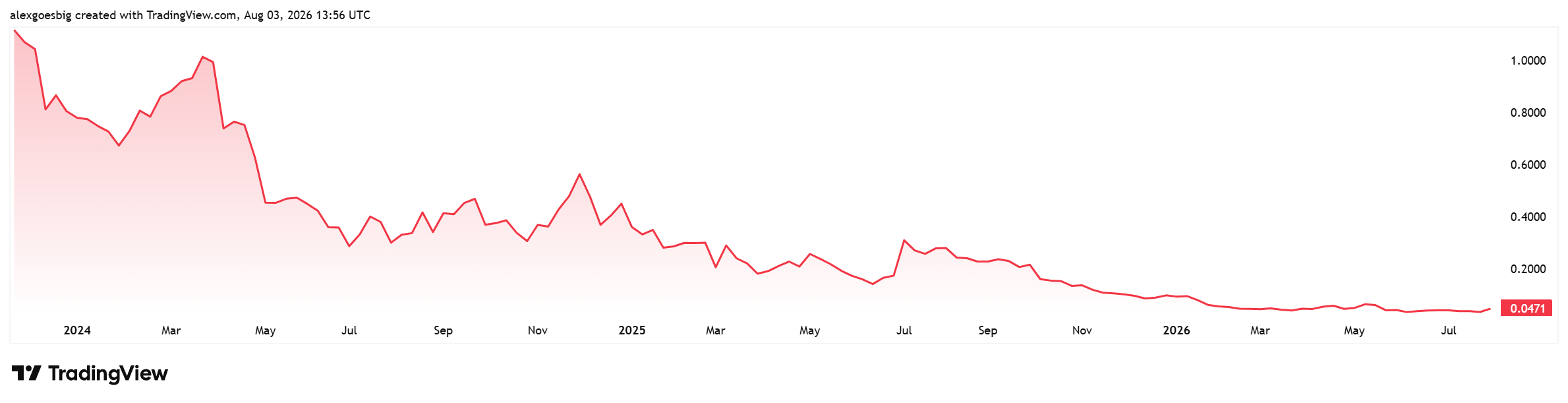 Source:VICUSDT from TradingView
The Viction Foundation refuted the news, arguing that the exchange is only a distribution channel and that the agreement is defined by eight years of stable operation, not listing. To the Viction community: We would like to explain the latest updates to the listing of VIC on Binance. As part of Binance's regular review cycle, the listing of VIC will be phased out in accordance with its internal standards. This decision does not reflect any changes to the project... - Viction Foundation (@VictionFND) August 3, 2026
What holders need to pay attention to now
The exit window has been fixed and is worth paying attention to one by one. Binance futures will stop opening new positions at 08:30 World Standard Time on August 7, and settle remaining contracts at 09:00. Spot trading will close at 03:00 World Standard Time on August 17, and recharge will stop after August 18. The deadline for hard withdrawal is October 17. VANRY holders face additional steps because Binance will not handle Base migration: they need to withdraw through Ethereum or Polygon before the deadline and complete the redemption through Vanar's portal themselves. Anyone who still holds any of these six tokens after October 17 can only keep a portion in a self-managed wallet.
























