Exchange Ranking
 Top Exchanges
 24h Volume Ranking
 Popularity Ranking
 Exchange BTC Balance
 Proof of Reserves
 Decentralized Exchanges
 Funding Rate
 Funding Heatmap
 Liquidation Data
 Max Pain
 Long/Short Ratio
 Whale L/S Ratio
 Binance/Okex/Huobi L/S
 Bitfinex Margin L/S
 ETF Tracker
 Solana ETF
 XRP ETF
 Hong Kong ETF
 Bitcoin Treasuries
 Crypto Reversal
 Ethereum Reserves
 HyperLiquid Wallet Analysis
 Hyperliquid Whale Watch
 Large Transactions
 On-chain Movement
 Bitcoin ROI
 Stablecoin Market Cap
 Options Analysis
 News
News Articles
 Economic Calendar
 Features
 Wallet
 Contract Calculator


 Security
 Collections
 Watchlist
 Following
 BTC
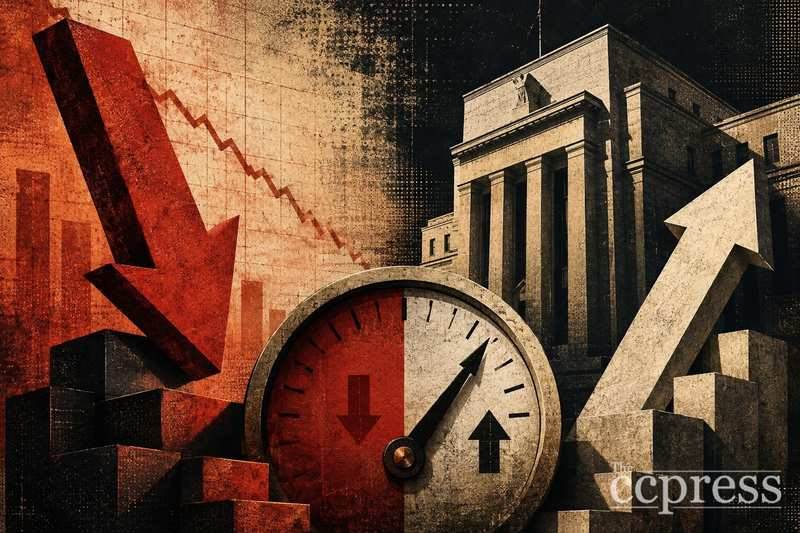
BTC Trump and Vance pressed to cut interest rates, but the Federal Reserve issued a signal to raise interest rates.
U.S. President Donald Trump and Vice President JD Vance publicly called for a reduction in interest rates, but the Federal Reserve hinted that it might do the opposite and consider raising interest rates. A direct conflict is unfolding between the White House and the central bank, with markets caught in the middle.
Why Trump and Vance urged interest rate cuts
Trump and Vance regard reducing borrowing costs as their core demand and continue to pressure Federal Reserve Chairman Jerome Powell to cut interest rates. The timing of the call was particularly eye-catching-just as the Fed was sending hawkish signals, the interest rate cut demand turned regular policy preferences into an open confrontation.
Tensions surrounding the independence of the Federal Reserve have attracted continued attention. The Associated Press report focused the controversy on the game between inflation and central bank autonomy. Political pressure on the Fed, even if it cannot change the outcome of the vote, can influence the policy narrative, which itself can shape the direction of the market.
What does the Fed's interest rate hike signal mean?
The other party to the conflict is the Fed itself. Governor Kevin Walsh elaborated on the central bank's thinking in a speech on August 28, which became the main basis for hawkish signals. The signal to raise interest rates is not based on political considerations, but reflects concerns about inflation, the labor market or financial stability-historical factors that have pushed the Fed to tighten rather than loosen policy.
The Federal Reserve's inflation stance and the overall economic background are closely watched, and further reports from the Associated Press linked Washi's statement and inflation issues to the White House's stance. So the contrast is stark: Trump and Vance want cheaper money, while the Federal Reserve is sending the opposite signal. This gap forms the core of the story.
Those concerned about subsequent developments should check out the official schedule of the Federal Open Market Committee (FOMC), whose scheduled meeting dates will determine when the standoff will reach a final decision.
How interest rate disputes affect market and cryptocurrency sentiment
Interest rate expectations affect all areas. Stocks, bonds, dollars and risky assets will all be repriced when the Fed changes direction, and an open political tussle will only exacerbate volatility. The crypto market is also within the impact range. Austerity policies often put pressure on speculative assets, so crypto investors pay close attention to Fed signals like stock traders. Previous expectations of interest rate cuts had pushed Bitcoin closer to $150,000, but interest rate hikes had the opposite effect, curbing the risk appetite that low interest rates should have driven. It is the direction of the Fed, not the White House, that determines the tone of the market.
Trump's stance on monetary policy is in line with his broader intervention model-from signing the first encryption bill into U.S. law to promoting the GENIUS Act and the CLARITY Act, which has reshaped the industry landscape. The conflict pits Washington's most powerful voices against the institutions that really determine currency prices. If the Fed insists on raising interest rates, who will give in first?