Exchange Ranking
 Top Exchanges
 24h Volume Ranking
 Popularity Ranking
 Exchange BTC Balance
 Proof of Reserves
 Decentralized Exchanges
 Funding Rate
 Funding Heatmap
 Liquidation Data
 Max Pain
 Long/Short Ratio
 Whale L/S Ratio
 Binance/Okex/Huobi L/S
 Bitfinex Margin L/S
 ETF Tracker
 Solana ETF
 XRP ETF
 Hong Kong ETF
 Bitcoin Treasuries
 Crypto Reversal
 Ethereum Reserves
 HyperLiquid Wallet Analysis
 Hyperliquid Whale Watch
 Large Transactions
 On-chain Movement
 Bitcoin ROI
 Stablecoin Market Cap
 Options Analysis
 News
News Articles
 Economic Calendar
 Features
 Wallet
 Contract Calculator


 Security
 Collections
 Watchlist
 Following
The final draft includes 126 substantive changes requested by Democrats to add ethical requirements for cryptocurrencies.
Republican senators announced the revised text of the CLARITY Act on Sunday, September 13, in preparation for a closing debate vote on Tuesday. The 635-page proposal involves adjustments in multiple areas such as ethical rules, stablecoin rewards, developer protection, and digital commodity trading. Senators Cynthia Lummis, John Boozman and Tim Scott said the draft was the final proposal to the Democratic side.
Trump's ethics agreement adds strict requirements
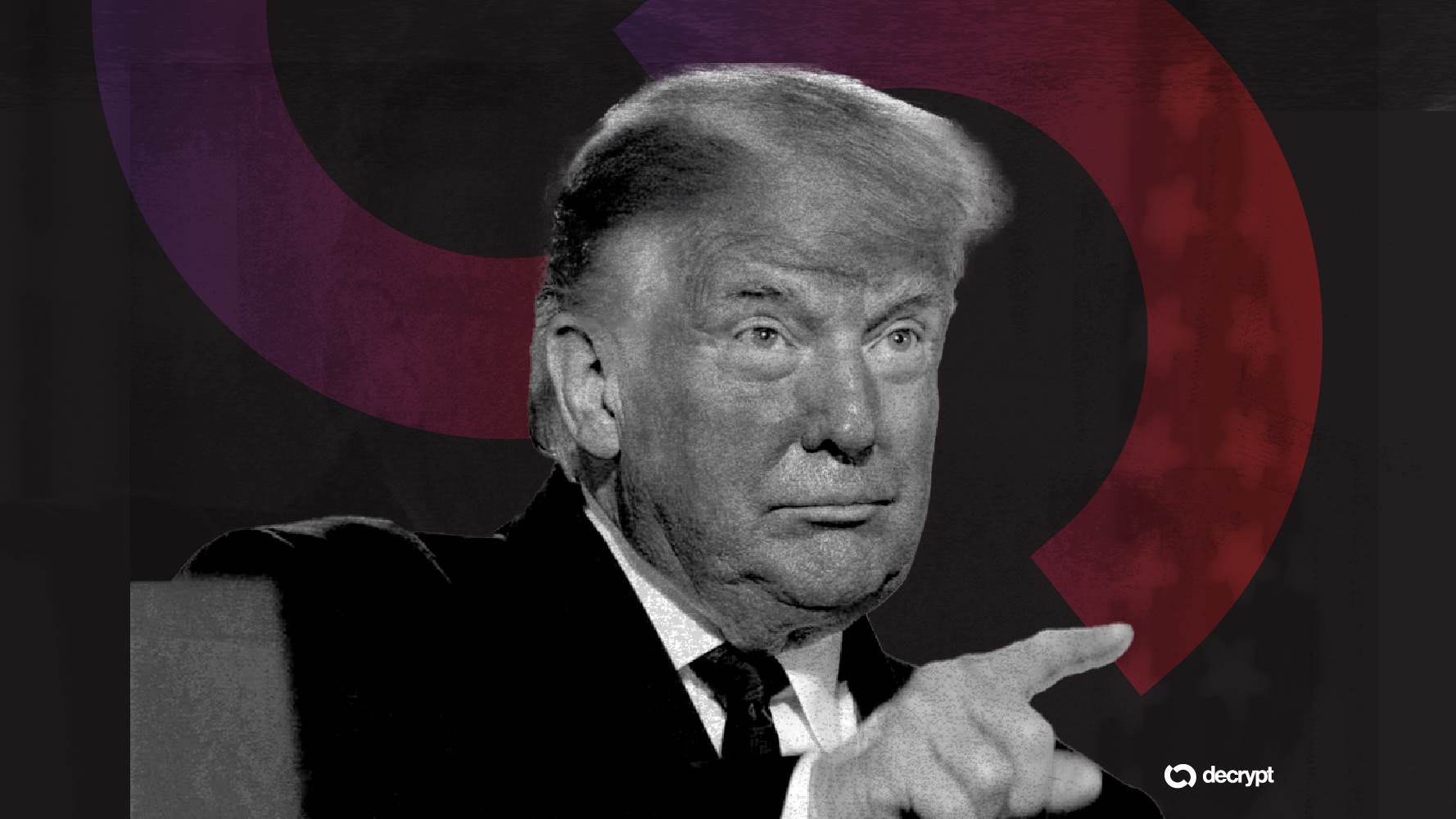
According to Senator Loomis, the revised text contains 126 substantive changes required by Democrats. A Republican aide said President Donald Trump has agreed to most of the ethics proposals proposed by Tillis and Gallego.
The new rules will cover presidents, vice presidents, members of Congress, federal officials, judges, their employees and spouses. Restricted individuals need to divest substantial cryptocurrency-related interests or place them in qualified "blind trusts." State attorneys general have the power to impose restrictions on prohibited digital asset activities. Violations will face a civil fine of $500,000 or 20% of the transaction amount, whichever is higher.
However, the text does not extend these restrictions to other relatives, including children of officials. Ethics rules will take effect 360 days after the bill is enacted, or sooner after the final regulation is issued.
Under the amendments, Treasury Secretary Scott Bessent has the power to limit stablecoin rewards if community banks experience massive deposit losses. This authorization will expire 18 months after the enactment of the Act.
The draft also narrows the scope of the Blockchain Regulatory Assurance Act (BRCA) to the Banking Secrecy Act and civil law enforcement protections. The text removes references to Section 1960 criminal prosecution, while expanding some protections for miners and validators. In addition, the new safeguards address related transactions and conflicts of interest by digital commodity exchanges, brokers and dealers, and confirm that state consumer protection laws still apply.
The Senate is scheduled to hold a closing debate vote on Tuesday, September 15 at 2:15 p.m. ET. The Republican Party currently has 53 seats in the Senate, which means that if all Republican senators vote yes, at least seven Democrats or independents will need to join in to meet the number of votes needed to pass the closing debate. Once the closing debate is passed, the debate process will officially begin, while amendment review, final voting, and follow-up actions in the House will still be pending.