Exchange Ranking
 Top Exchanges
 24h Volume Ranking
 Popularity Ranking
 Exchange BTC Balance
 Proof of Reserves
 Decentralized Exchanges
 Funding Rate
 Funding Heatmap
 Liquidation Data
 Max Pain
 Long/Short Ratio
 Whale L/S Ratio
 Binance/Okex/Huobi L/S
 Bitfinex Margin L/S
 ETF Tracker
 Solana ETF
 XRP ETF
 Hong Kong ETF
 Bitcoin Treasuries
 Crypto Reversal
 Ethereum Reserves
 HyperLiquid Wallet Analysis
 Hyperliquid Whale Watch
 Large Transactions
 On-chain Movement
 Bitcoin ROI
 Stablecoin Market Cap
 Options Analysis
 News
News Articles
 Economic Calendar
 Features
 Wallet
 Contract Calculator


 Security
 Collections
 Watchlist
 Following
 BTC
BTC Five Wall Street institutions supported the CLARITY Act instead of passing a unified industry statement.
Relevant House and Senate committees have pushed the bill to the next stage, but final passage still needs to exceed the procedural threshold of 60 votes.
The proposal divides the regulatory authority of cryptocurrencies to the U.S. Securities and Exchange Commission (SEC) and the Commodity Futures Trading Commission (CFTC), while adding anti-money laundering rules.
The US$50 trillion comparison highlights the size of institutions, but the figure combines assets measured in different ways.
As the Senate faces a critical deadline, a post posted by Crypto Rover has revived attention to the Digital Asset Markets Clarity Act. The post mentioned BlackRock, Schwab, Fidelity, Goldman Sachs and Gray Investment, saying their total assets under management were close to US$50 trillion.
This comparison has attracted widespread attention because the global cryptocurrency market is valued at approximately US$2.29 trillion, which is basically consistent with the estimate of US$2.2 trillion in the post. However, the companies did not issue a joint endorsement, but instead each expressed different views based on their own business interests and regulatory priorities.
Wall Street supports covering cryptocurrency custody and tokenization
Fidelity's public policy department urges lawmakers to pass the CLARITY Act, arguing that clear federal rules will enhance investor confidence and maintain U.S. competitiveness. Similarly, Goldman Sachs CEO David Solomon supported advancing the bill while acknowledging its shortcomings, saying the framework would help promote stability and create fairer markets.
Gray Capital also expressed support for the bill, describing it as the legal basis for developers, token issuers and regulated digital asset intermediaries. Schwab's position, meanwhile, is reflected through its strategist Jim Ferraioli, who views the bill as a key catalyst for Bitcoin and wider institutional adoption.
BlackRock's research also regards the proposal as an important part of the development of a regulatory framework for tokenized assets. However, the existing statement does not indicate that the five companies have signed a joint declaration or made the same commitment.
This distinction is critical when assessing the scale and significance of Wall Street support. Their interests include exchange-traded products, institutional custody, brokerage services, tokenization and infrastructure that supports digital asset markets. As a result, each company approaches the bill from a different business and regulatory perspective. Their respective endorsements reflect a common need for clearer rules rather than a coordinated industry movement.
The Senate vote is approaching, and controversy over regulation and stablecoins still exists
The House of Representatives approved the H.R. in July 2025 with 294 votes in favor and 134 votes against. Bill 3633 provides broad but incomplete cross-party impetus for the proposal. This progress was continued in May 2026, when the Senate Banking Committee approved its version with 15 votes in favor and 9 against.
Based on the above steps, Senator Cynthia Loomis released an updated text on July 22. The draft combines the work of the Senate Banking and Agriculture Committees. However, the bill still needs enough bipartisan support to break the Senate procedural threshold of 60 votes.
The latest version divides the regulatory authority of digital assets to the U.S. Securities and Exchange Commission (SEC) and the Commodity Futures Trading Commission (CFTC), while requiring major intermediaries to comply with anti-money laundering regulations and retaining existing securities laws for tokenized stocks.
In addition, a proposed compromise would ban passive interest payments on stablecoin balances, but allow certain incentives directly related to transactions. Even so, many political differences remain unresolved.
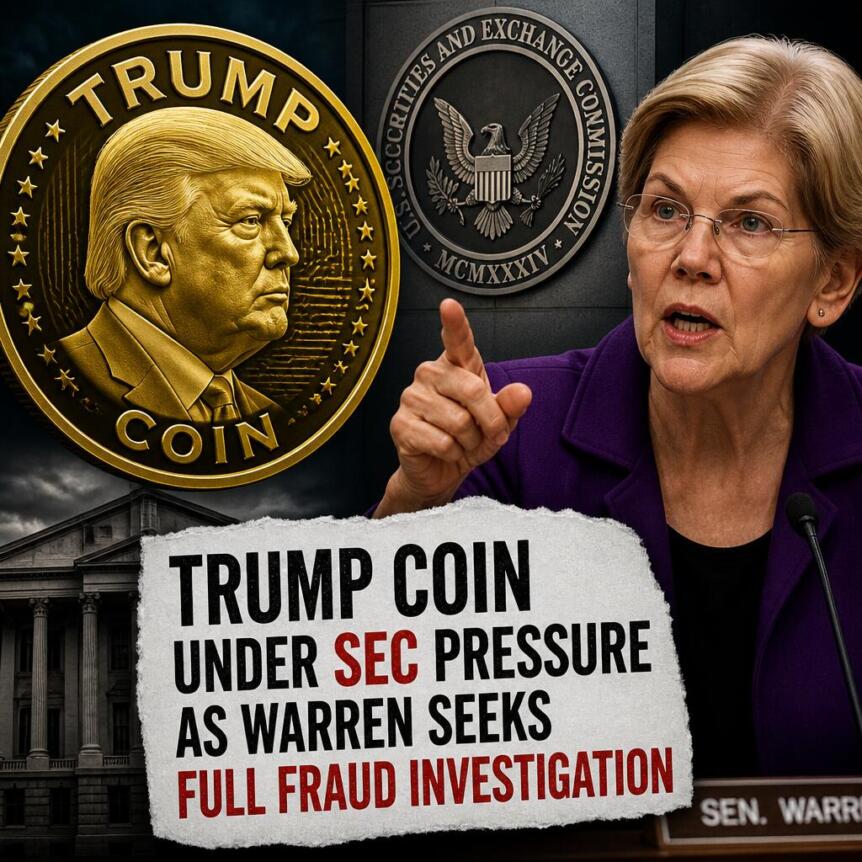
Senate Democrats believe the bill's ethics provisions fail to adequately address conflicts of interest that may involve elected officials. Senator Elizabeth Warren also pointed to loopholes in investor protection and national security. Banking groups, meanwhile, remain concerned that stablecoin incentives could siphon deposits away from regulated institutions. [TAG
As the Senate approaches its August recess, lawmakers now face a narrow window of time to secure the bipartisan agreement needed for the bill to move forward.