Exchange Ranking
 Top Exchanges
 24h Volume Ranking
 Popularity Ranking
 Exchange BTC Balance
 Proof of Reserves
 Decentralized Exchanges
 Funding Rate
 Funding Heatmap
 Liquidation Data
 Max Pain
 Long/Short Ratio
 Whale L/S Ratio
 Binance/Okex/Huobi L/S
 Bitfinex Margin L/S
 ETF Tracker
 Solana ETF
 XRP ETF
 Hong Kong ETF
 Bitcoin Treasuries
 Crypto Reversal
 Ethereum Reserves
 HyperLiquid Wallet Analysis
 Hyperliquid Whale Watch
 Large Transactions
 On-chain Movement
 Bitcoin ROI
 Stablecoin Market Cap
 Options Analysis
 News
News Articles
 Economic Calendar
 Features
 Wallet
 Contract Calculator


 Security
 Collections
 Watchlist
 Following
 BTC
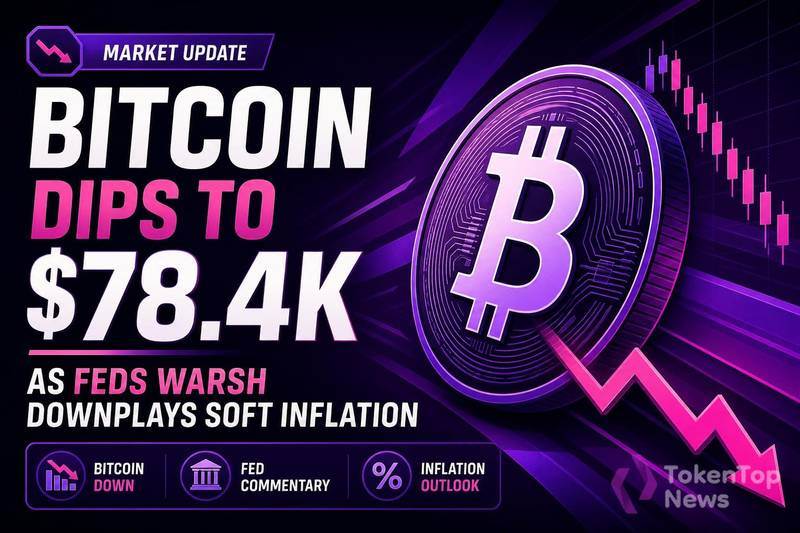
BTC Bitcoin prices came under pressure due to Federal Reserve signals, markets interpreted hawkish remarks
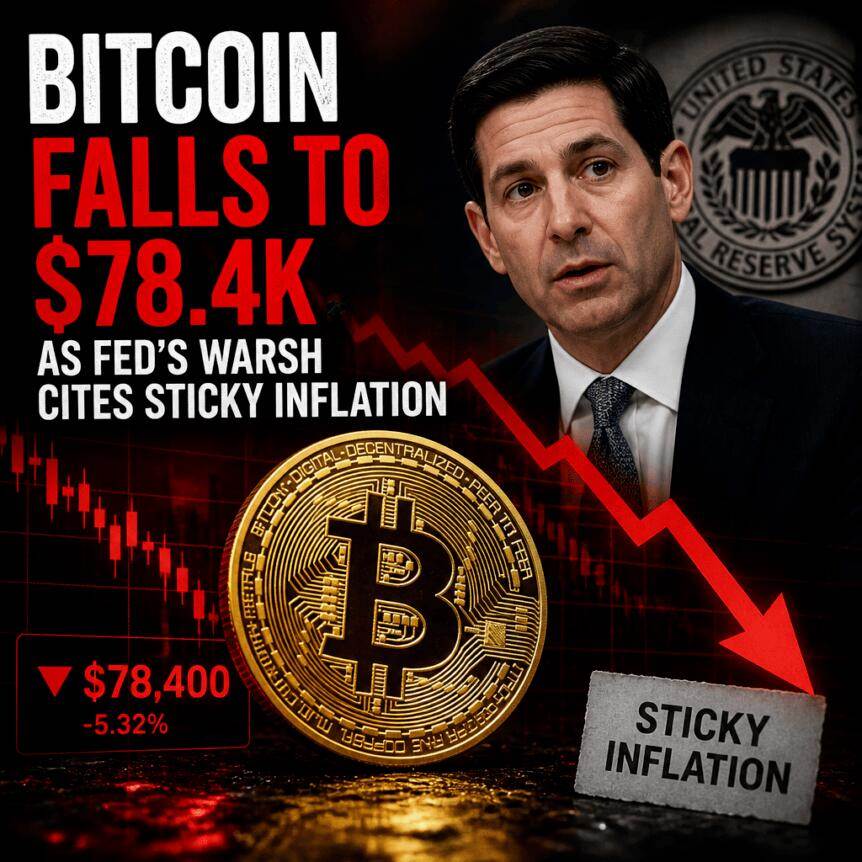
Bitcoin prices fell to around $78,400 at one point as the market weighed the speech of Federal Reserve official Kevin Walsh. He downplayed the impact of recent weakening inflation data and focused on interest rate policy rather than any short-term easing measures.
Bitcoin falls back, traders interpret Fed signal
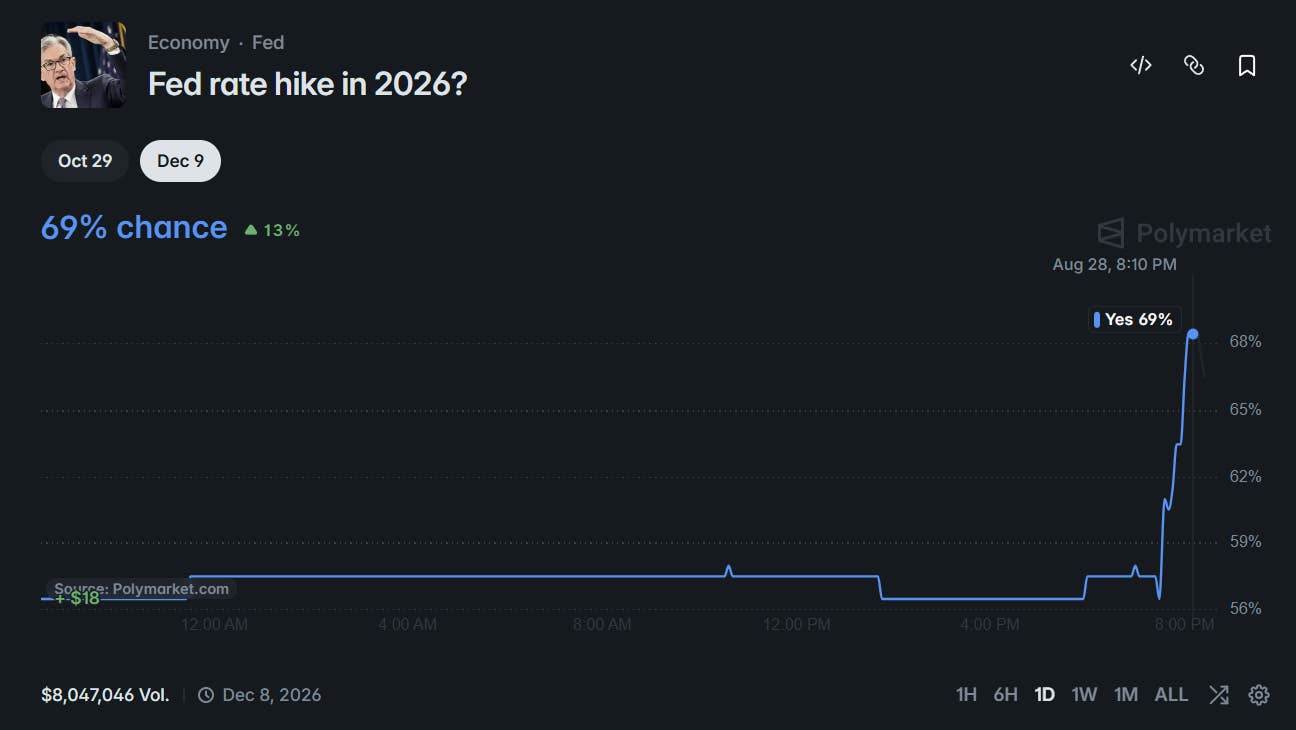
The correction came after markets focused on Walsh's speech on inflation and policy, which was published in a Fed speech on August 28, 2026. Cryptocurrency trading prices fell because market interpretation believed that simple weakening price data would not accelerate interest rate cuts.
For risky assets like Bitcoin, this policy tone is more important than pure inflation data. When Fed officials signal reluctance to relax policies, the liquidity environment that supports rising valuations of cryptocurrencies becomes tighter, and prices tend to respond before actual policy adjustments are made.
Why Walsh's inflation rhetoric means so much to Bitcoin
Walsh's stance tends not to regard weakening inflation data as a green light for easing policy, and this tension is also reflected in reports about his stance on interest rates and inflation. The market has concluded that even if overall price pressures ease, interest rates will remain high for a longer period of time.
This is also the core reason why weakening inflation data has not boosted Bitcoin. Expectations of interest rate cuts-rather than individual inflation trends-are key drivers of the liquidity outlook on which cryptocurrencies rely, and a more hawkish interpretation of the same set of data could weaken those expectations.
Inflation itself is tracked through indicators such as the Personal Consumption Expenditure Price Index, a favored measure of the Federal Reserve. Vosh's comments question easing only if policymakers believe that weakening data is persistent can it become the basis for easing policy.
What to focus on next
The near-term risk is that Bitcoin will continue to fluctuate as the market reassesses the level of easing that is realistically feasible. The decline mainly revolves around a macro catalyst, so subsequent trends depend on whether policy expectations will continue to tighten.
Traders will focus on the Fed's subsequent comments and the next round of inflation data to verify their judgment. Whether market sentiment stabilizes at current levels or weakens further will depend on these signals, not the market trend of a given day.