Exchange Ranking
 Top Exchanges
 24h Volume Ranking
 Popularity Ranking
 Exchange BTC Balance
 Proof of Reserves
 Decentralized Exchanges
 Funding Rate
 Funding Heatmap
 Liquidation Data
 Max Pain
 Long/Short Ratio
 Whale L/S Ratio
 Binance/Okex/Huobi L/S
 Bitfinex Margin L/S
 ETF Tracker
 Solana ETF
 XRP ETF
 Hong Kong ETF
 Bitcoin Treasuries
 Crypto Reversal
 Ethereum Reserves
 HyperLiquid Wallet Analysis
 Hyperliquid Whale Watch
 Large Transactions
 On-chain Movement
 Bitcoin ROI
 Stablecoin Market Cap
 Options Analysis
 News
 Articles
 Economic Calendar
 Features
 Wallet
 Contract Calculator


 Security
 Collections
 Watchlist
 Following
 BTC
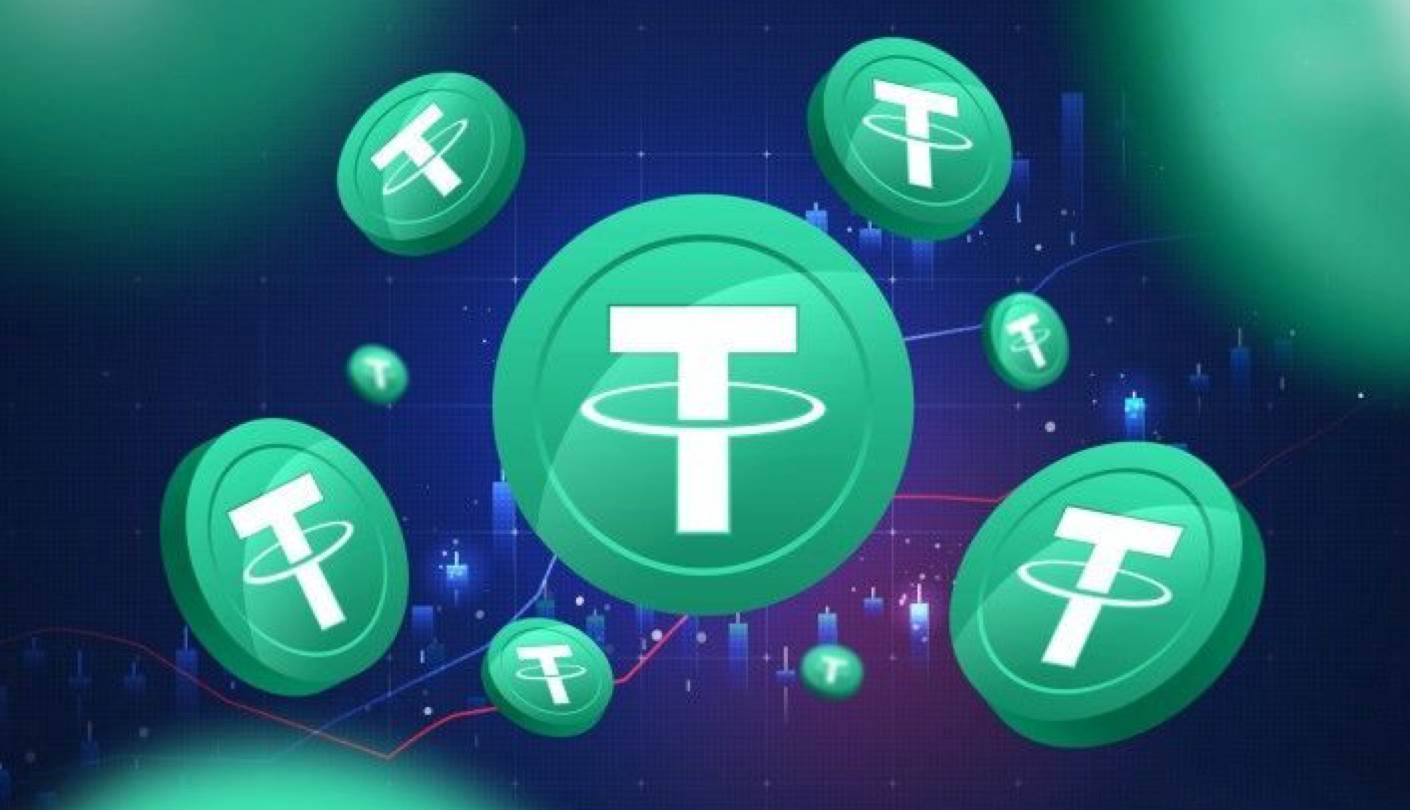
The standard maintained the minimum USDT stabilization rating, and the high-risk asset ratio raised concerns
The S&P Global Ratings maintain Tether USDT’s lowest possible stability rating. Market concerns remain as the stablecoin issuer reveals a growing share of high-risk assets in its reserves.
The standard is confirmed that the USDT rating is the same.
On 18 November, the global GPS rating of USDT stability was again set at five, indicating a weak ability to maintain a dollar-linked rating. This rating is consistent with the November 2025 assessment and reflects continued concern about the quality of USDT reserve assets.
As detailed in the report, as at 30 September, high-risk assets such as gold, Bitcoin (BTC), open shares, guaranteed loans and corporate bonds had reached 28 per cent of the Tether's working reserve. This percentage is up from 24 per cent the previous year.
Tether criticized the agency’s assessment that the low rating was derived from the standard methodology, rather than from the company’s own reserve structure. The company cited cases of miscalculation in the history of rating agencies, and referred to the circumstances of the movie Big Short Issues, which documented the 2008 financial crisis.
USDT reserve and regulation oversight
According to the certified reserve statement signed by BDO, International Accounting Network, on 30 September, Tether reported that it had $191.5 billion in assets, $183.5 billion in liabilities and some $7.95 billion in excess assets. However, the marker noted other weaknesses, but clarified that, according to its rating system, the score could not be less than five points.
One of the key issues cited by the landmark concerned regulation in El Salvador. Tether moved its headquarters to the country in January 2025. In El Salvador, the National Commission on Digital Assets (CNAD) oversaw Tether, requiring that at least 70 per cent of the reserves must be held within 30 days with assets that could be used as a reference. Tether argues that this framework is too broad, as it allows for the inclusion of assets such as gold, BTC and loans in the liquidity reserve.
Noun explanation:The National Commission on Digital Assets (CNAD), the main body in El Salvador, monitors the compliance of issuers, including Tether, with local legislation.
It further emphasizes that the requirements of El Salvador do not impose a segregation of reserve assets compared to the standards expected by the United States and European regulation agencies. In the absence of public disclosure information on asset segregation, the pamphlet indicates that it is not clear how Tether’s reserves are isolated from the company’s general commercial risk.
Audit issues and industry responses
One of the leading audit firms in the world, KPMG, issued an unqualified opinion on Tether ' s 2025 accounts in August 2026, marking the first time that the company had completed a full independent audit. Tether stated that the audit supported its financial statements issued.
However, it observed that neither audited statements nor audit reports had been issued, which had prevented external parties from validating underlying financial data. The agency also noted that Tether issued quarterly certificates of reserve while other stablecoin usually issued monthly reserve reports. In addition, Tether did not disclose the names of the custodians or counterparties who managed its reserve assets.
In response to the previous downgrading, CEO Tether Paolo Ardoino stated on platform X that criticism from other aspects of the universalization was a proud sign for companies, in contrast to historical failures in the traditional financial sector, to counter concerns about USDT reserves.
Tether insisted that the core issue was the standard rating system and emphasized that it had maintained a record of price stability over the past year.
Changes in the composition of the USDT reserve
Over the past 12 months, there has been a significant change in the reserve composition of USDT, with the share of high-risk assets having exceeded that of the previous year.
The Pipp acknowledged that, despite concerns, the price stability of USDT has remained strong over the past year, particularly in comparison with other stablecoin.