Exchange Ranking
 Top Exchanges
 24h Volume Ranking
 Popularity Ranking
 Exchange BTC Balance
 Proof of Reserves
 Decentralized Exchanges
 Funding Rate
 Funding Heatmap
 Liquidation Data
 Max Pain
 Long/Short Ratio
 Whale L/S Ratio
 Binance/Okex/Huobi L/S
 Bitfinex Margin L/S
 ETF Tracker
 Solana ETF
 XRP ETF
 Hong Kong ETF
 Bitcoin Treasuries
 Crypto Reversal
 Ethereum Reserves
 HyperLiquid Wallet Analysis
 Hyperliquid Whale Watch
 Large Transactions
 On-chain Movement
 Bitcoin ROI
 Stablecoin Market Cap
 Options Analysis
 News
News Articles
 Economic Calendar
 Features
 Wallet
 Contract Calculator


 Security
 Collections
 Watchlist
 Following
 BTC
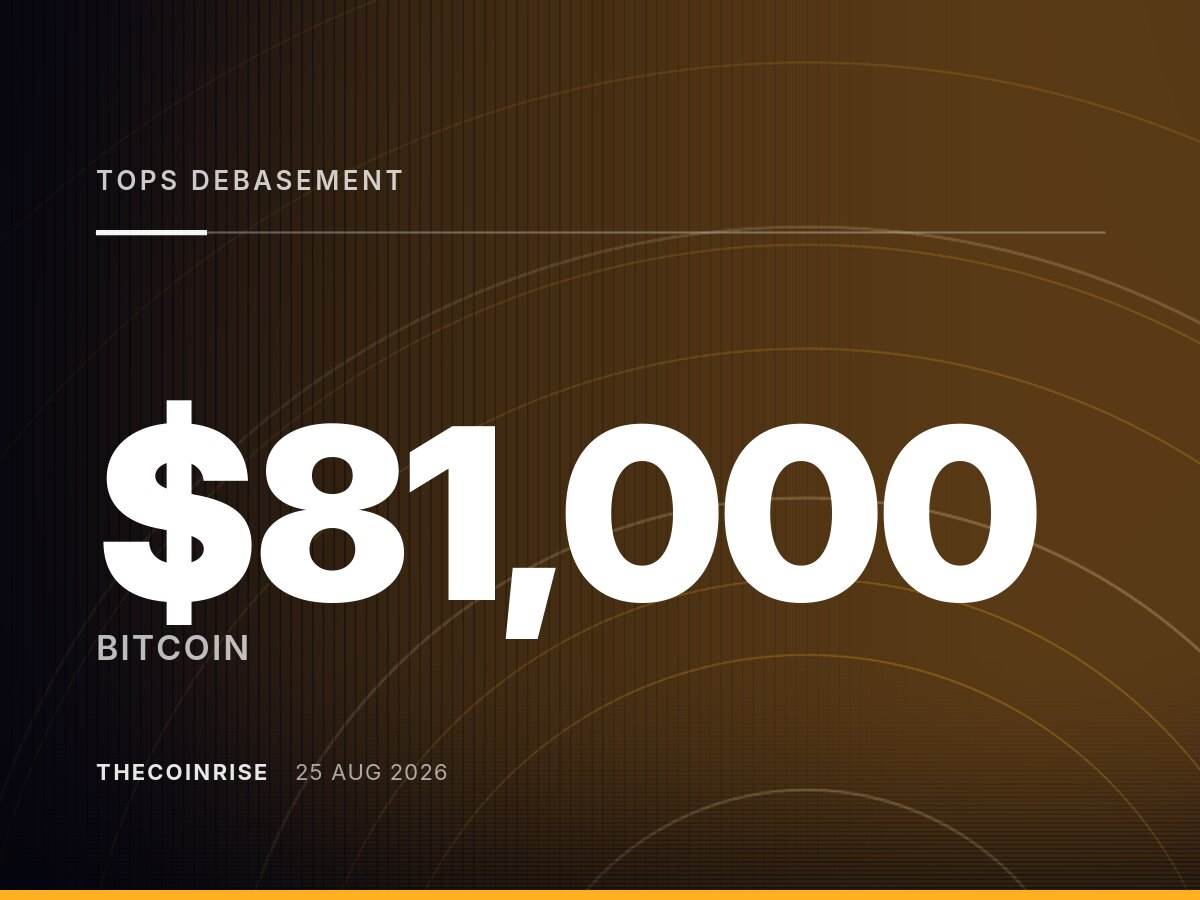
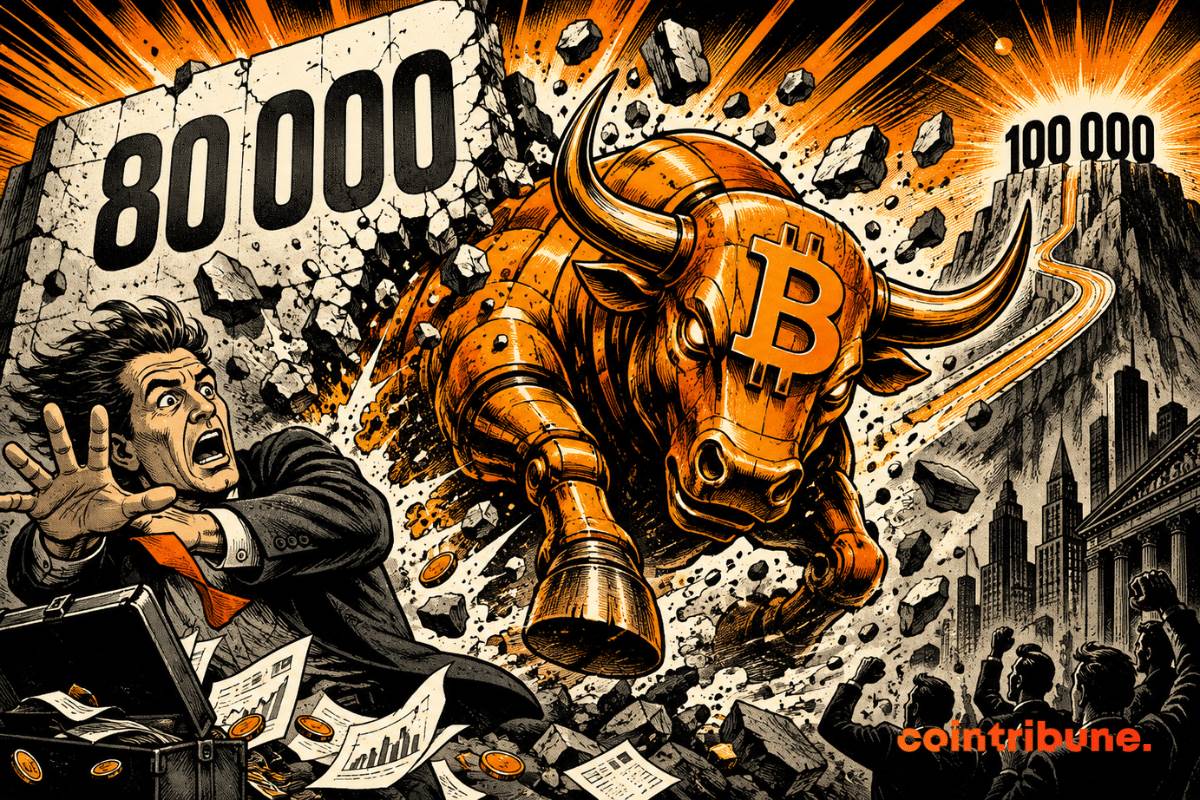
BTC Traders are reportedly once again viewing Bitcoin as a hedge against currency devaluation. According to reports released on August 25, the price of Bitcoin exceeded US$81,000. The reports linked the trend to a resurgence of what traders call a "devaluation trade." The term describes an investment strategy that protects against erosion in the value of money by purchasing hard assets.
"devaluation trading" is not new. This strategy became popular in the early cycle, when investors were worried about widening government deficits and aggressive monetary policy. Under this framework, Bitcoin, like gold, is regarded as a store of value. These two assets are believed to be unaffected by central bank money creation.
The report did not clearly point out a single trigger for the market's rise. Instead, they view price increases as part of a broader shift in market sentiment-a shift that favors assets deemed scarce rather than assets directly linked to the fiat monetary system.
Bitcoin's fixed supply cap has long supported its appeal to investors concerned about devaluation. Unlike government-issued currencies, the total number of bitcoins is capped at 21 million. Proponents believe this allows Bitcoin to withstand the kind of monetary expansion that erodes purchasing power over time.
The timing of this narrative's return is worthy of attention. Discussions of "devaluation deals" often heat up when investors are worried about sovereign debt levels or currency stability. When such concerns intensify, money has historically flowed to assets such as gold and, increasingly, to Bitcoin. The report did not elaborate on the specific policy events that drove this round of buying.
Market observers often use the "devaluation trade" framework to explain price fluctuations that accompany macroeconomic uncertainty. This is one of several narratives that explain Bitcoin price fluctuations, in addition to institutional adoption and regulatory dynamics. The framework itself does not confirm a causal link between monetary policy and the Bitcoin price reaching $81,000.
Both reports regard "devaluation trading" as an explanatory perspective rather than a deterministic conclusion. Neither set forward-looking price targets. The report focuses on describing current market behavior and the reasons used by some traders to justify it.
Market Impact
The revitalized narrative of "devaluation trading" may affect short-term trading behavior, especially for investors who view Bitcoin as a macro hedging tool rather than a purely speculative asset. If this framework gains wider acceptance, it could trigger comparisons between Bitcoin and gold's performance in times of monetary or fiscal stress.
However, the narrative surrounding "devaluation trading" has proven to be cyclical in the past, rising and fading as overall risk sentiment changes. Traders should note that if macroeconomic conditions change or the narrative loses appeal among institutional allocators, price fluctuations attributed to this theme may quickly reverse.
According to relevant reports, Bitcoin's breakthrough of US$81,000 has once again triggered discussions about "devaluation transactions." Whether this narrative continues to support buying interest will likely depend on how broader monetary and fiscal concerns evolve in the coming weeks.
FAQs
What is a "devaluation transaction"?
It refers to an investment strategy in which traders buy hard assets such as gold or Bitcoin to hedge against a decline in the value of fiat currencies due to monetary expansion or fiscal deficits.
Why is Bitcoin associated with this strategy?
Bitcoin has a supply cap of 21 million coins, which supporters believe allows it to withstand monetary expansion that could erode purchasing power over time.
What drove Bitcoin to exceed $81,000?
Related reports attributed this trend to a renewed focus on the "devaluation trade" narrative, but did not specify the specific trigger event.
Is the "devaluation trade" narrative new in this cycle?
No. This narrative has emerged in past market cycles whenever investors worry about government debt levels or aggressive central bank monetary policies.