Exchange Ranking
 Top Exchanges
 24h Volume Ranking
 Popularity Ranking
 Exchange BTC Balance
 Proof of Reserves
 Decentralized Exchanges
 Funding Rate
 Funding Heatmap
 Liquidation Data
 Max Pain
 Long/Short Ratio
 Whale L/S Ratio
 Binance/Okex/Huobi L/S
 Bitfinex Margin L/S
 ETF Tracker
 Solana ETF
 XRP ETF
 Hong Kong ETF
 Bitcoin Treasuries
 Crypto Reversal
 Ethereum Reserves
 HyperLiquid Wallet Analysis
 Hyperliquid Whale Watch
 Large Transactions
 On-chain Movement
 Bitcoin ROI
 Stablecoin Market Cap
 Options Analysis
 News
News Articles
 Economic Calendar
 Features
 Wallet
 Contract Calculator


 Security
 Collections
 Watchlist
 Following
 BTC
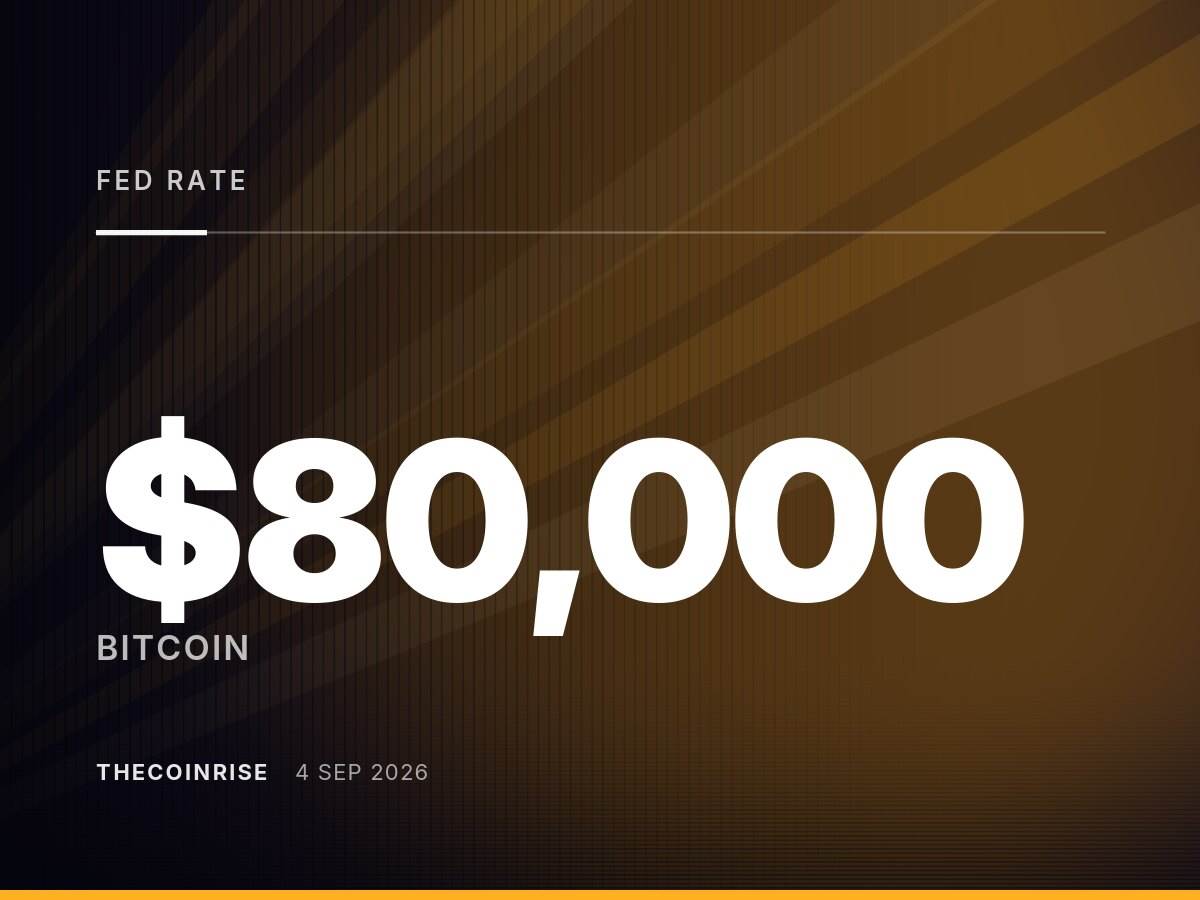
BTC Strong jobs data sparked interest rate hikes, as Bitcoin fell below the US$80,000 mark
A higher-than-expected U.S. non-farm payrolls report pushed Bitcoin prices below US$79,500 and dragged down the broader cryptocurrency market lower. According to multiple market reports, on September 4, Bitcoin fell below the US$80,000 mark, falling to a minimum of approximately US$79,500. The decline followed a U.S. jobs report that showed stronger-than-expected job growth. Traders and analysts said the data lowered expectations for the Fed's recent rate cut.
Strong employment data generally suggests that the economy is resilient. However, this resilience may expose the Fed to more complications when implementing loose monetary policy. When labor market data beats forecasts, investors tend to price the higher probability that the central bank will keep interest rates unchanged or even consider further policy tightening.
Expectations to maintain higher interest rates over the long term often put pressure on risky assets. Bitcoin and other cryptocurrencies are among this category of assets, like stocks and growth investments. Reduced expectations of interest rate cuts have increased the attractiveness of safe and revenue-producing assets such as bonds. This shift in capital flows could draw capital away from more volatile markets, such as crypto.
Falling below $80,000 marks an important psychological barrier for Bitcoin. The integer price level is often used as a reference point for traders employing technical analysis. Falling below such levels could trigger additional selling as stop-loss orders and automated trading strategies are activated. This dynamic effect may amplify short-term price fluctuations that may exceed what the fundamental news itself explains.
The employment report is one of the most watched economic indicators when the Federal Reserve makes policy decisions. Market participants use employment data and inflation data to assess the central bank's next interest rate move. A strong labor market gives the Fed more room to keep monetary policy tight without risking a sharp economic slowdown.
In recent years, the cryptocurrency market has become increasingly sensitive to the release of macroeconomic data. This reflects the expanding scale of institutional investors 'participation in digital assets. Large funds and trading desks that operate simultaneously in traditional markets often adjust positions in crypto assets based on the same signals that affect stocks and bonds. As a result, Bitcoin's price movements increasingly reflect responses to major economic reports in other risky markets.
Market impact
The direct market impact lies in the reduction of risk appetite. Higher interest rate expectations typically push investors towards safer assets, curbing demand for Bitcoin and other cryptocurrencies in the short term. Traders are likely to pay close attention to upcoming Fed remarks and inflation data for more signals about the interest rate outlook.
Continued uncertainty in monetary policy may keep volatility in the crypto market high. Investors should expect price fluctuations to closely track the release of macroeconomic data in the coming weeks as markets reassess the timetable for any future interest rate cuts. Bitcoin's fall below $80,000 highlights the close connection between the crypto market and traditional economic indicators today. Future price movements are likely to depend on the incoming data and the Fed's response to it.
FAQs
Why did Bitcoin prices fall after the U.S. jobs report?
The employment report showed stronger-than-expected job growth, lowering expectations for the Federal Reserve to cut interest rates in the near future. Higher interest rate expectations tend to reduce demand for risky assets such as Bitcoin.
How much has the Bitcoin price fallen?
Reported market data showed that Bitcoin fell below US$80,000, dropping as low as about US$79,500.
Are other cryptocurrencies falling with Bitcoin?
Yes, the report noted that the broader cryptocurrency market fell after the release of employment data, which is consistent with a typical pattern of altcoins following Bitcoin prices.
How does a strong jobs report affect Fed policy expectations?
Strong employment data suggests the economy is resilient, which should reduce pressure on the Federal Reserve to cut interest rates. This often leads to the possibility that the market will price higher, meaning that interest rates will remain high for longer.