
 Exchange Ranking
 Top Exchanges
 24h Volume Ranking
 Popularity Ranking
 Exchange BTC Balance
 Proof of Reserves
 Decentralized Exchanges
 Funding Rate
 Funding Heatmap
 Liquidation Data
 Max Pain
 Long/Short Ratio
 Whale L/S Ratio
 Binance/Okex/Huobi L/S
 Bitfinex Margin L/S
 ETF Tracker
 Solana ETF
 XRP ETF
 Hong Kong ETF
 Bitcoin Treasuries
 Crypto Reversal
 Ethereum Reserves
 HyperLiquid Wallet Analysis
 Hyperliquid Whale Watch
 Large Transactions
 On-chain Movement
 Bitcoin ROI
 Stablecoin Market Cap
 Options Analysis
 News
News Articles
 Economic Calendar
 Features
 Wallet
 Contract Calculator


 Security
 Collections
 Watchlist
 Following
 BTC
BTC  ETH
ETH stablecoins have long been promoted as a faster way to transfer U.S. dollars across borders. In Bolivia, they are increasingly becoming a way to obtain the dollar itself. The country's recent proposal to recognize TEDA's USDT (USDT) for payments highlights how economic instability is driving the popularity of digital assets in many emerging markets. At the same time, Bitcoin miners are discovering that a shift to artificial intelligence infrastructure may open up new sources of revenue, but that does not protect them from investors 'scrutiny.
Bolivia considers recognizing USDT amid dollar shortage
Bolivia is considering establishing a regulatory framework to recognize TEDA's USDT as a payment currency, marking another step in the country's efforts to integrate digital assets into the financial system. Minister of Economy and Public Finance Jose Gabriel Espinosa said the proposal would allow the USDT to flow in parallel with the Boliviano and the U.S. dollar for payments and savings. The framework is still under review and will include anti-money laundering safeguards because Bolivia is still on the Financial Action Task Force's gray list. The move came after the country lifted the ban on cryptocurrencies in 2024 and the new government promised to expand access to digital asset services.
The proposal was put forward against the background that Bolivia is facing a chronic dollar shortage. Previously, pressure on foreign exchange reserves forced the government to abandon its long-standing currency peg earlier this year. This has widened the gap between official and parallel exchange rates, increasing demand for dollar-denominated alternatives such as the USDT, which has become an increasingly popular payment tool in the country. 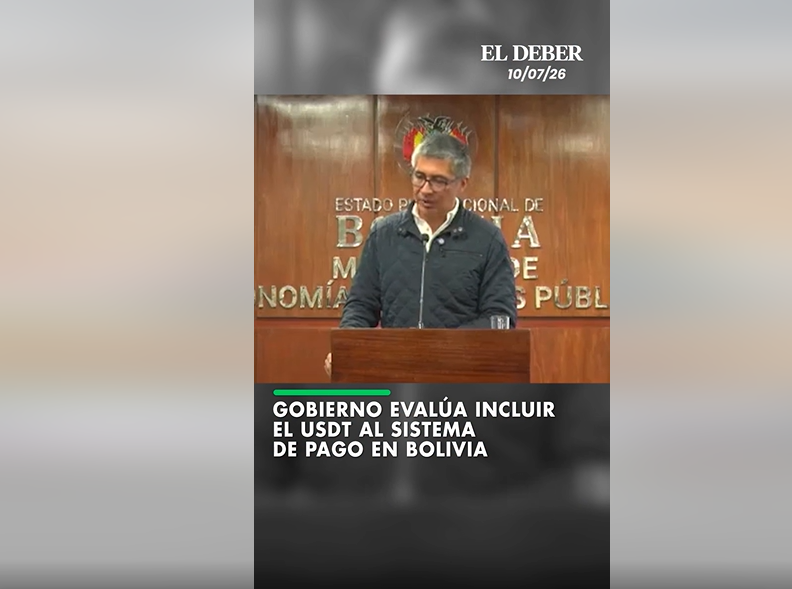
Bitcoin miners turn to AI triggers scrutiny of insider stock trading
As investors 'enthusiasm for the artificial intelligence field cools and governance issues have become a focus, they are increasingly examining insider stock trading by Bitcoin miners pursuing artificial intelligence infrastructure strategies. According to Blocksbridge Consulting, executives from TeraWulf, Cipher Digital, Riot Platforms and Core Scientific have disclosed stock sales in recent months, many of which were conducted under a pre-arranged rule 10b5 -1 trading plan. Strategic investors also reduced their positions-including TEDA-as they reduced their holdings following Bitdeer's AI-driven rise. The shift comes as the TEM artificial intelligence infrastructure growth index has fallen 16% in the past month.
Blocksbridge said investors are increasingly looking beyond AI growth stories to assess whether the benefits of miners 'strategic transformation will flow to public shareholders. 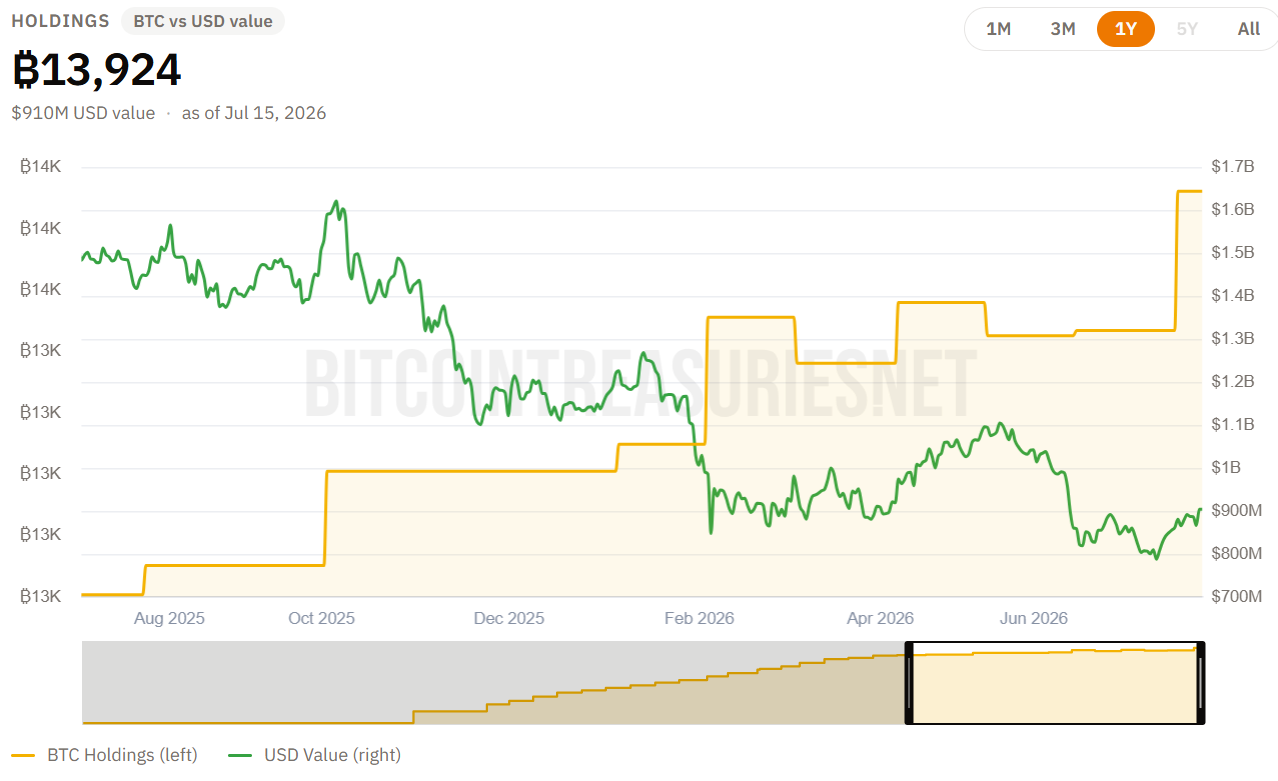
CleanSpark shares rise on US$6.6 billion data center lease, AI transformation accelerates
CleanSpark's shares rose 22% at one point after the bitcoin miner signed a 20-year data center lease in Georgia that could bring in up to $6.6 billion in contract revenue, highlighting its move towards artificial intelligence and high-performance computing infrastructure. The agreement covers a 175-megawatt data center in the company's Sandsville campus, Georgia, and was signed with an unnamed investment-grade global technology company. Tenants will install their computing equipment at the location, and phased delivery is expected to begin in the fourth quarter of 2027. If the customer exercises two five-year renewal options, the total contract value could reach $11.6 billion.
This transaction reflects a general trend of Bitcoin miners seeking new sources of income amid continued pressure on the mining economy after the halving. Although many listed miners have reduced their holdings of bitcoin to enhance liquidity, CleanSpark remains largely a net accumulator, despite selling some bitcoin earlier this year to maintain operations.
Bitmine generated US$46 million in revenue through Ethereum pledge last quarter
Bitmine Immersion Technologies generated $45.7 million in revenue through Ethereum pledges and verifications last quarter, a sign of its strong business strength, although Ethereum prices remain under pressure. In the three months ended May 31, Ethereum pledges accounted for 98% of the company's revenue, while revenue from self-mining Bitcoin was US$624,000 and revenue from consulting services was US$168,000. These results were achieved after Bitmine's institutional ethereum pledge platform MAVAN was launched in March, based on the acquisition of verification node operator Pier Two Holdings. The company said it has pledged approximately 85% of its Ethereum position, or approximately 4.9 million ETH units.
Chairman Tom Lee said Bitmine now pledges more Ethereum than any other entity and expects that once all of its tokens are pledged through MAVAN and its partners, the annualized pledge reward will reach US$284 million.
























