Exchange Ranking
 Top Exchanges
 24h Volume Ranking
 Popularity Ranking
 Exchange BTC Balance
 Proof of Reserves
 Decentralized Exchanges
 Funding Rate
 Funding Heatmap
 Liquidation Data
 Max Pain
 Long/Short Ratio
 Whale L/S Ratio
 Binance/Okex/Huobi L/S
 Bitfinex Margin L/S
 ETF Tracker
 Solana ETF
 XRP ETF
 Hong Kong ETF
 Bitcoin Treasuries
 Crypto Reversal
 Ethereum Reserves
 HyperLiquid Wallet Analysis
 Hyperliquid Whale Watch
 Large Transactions
 On-chain Movement
 Bitcoin ROI
 Stablecoin Market Cap
 Options Analysis
 News
 Articles
 Economic Calendar
 Features
 Wallet
 Contract Calculator


 Security
 Collections
 Watchlist
 Following
 BTC
Bitcoin fell 1.7% intraday, but still rose 9% month-on-month: ETF inflows and employment data together shape market prospects
Bitcoin prices have fallen about 1.7% in the past 24 hours, but compared with a month ago, their prices are still about 9% higher. This volatility was accompanied by a significant increase in trading volume, indicating that the decline was not due to a decline in market participation, but occurred against the backdrop of increased market activity.
Macroeconomic pressures and key resistance levels
Recent macroeconomic developments have had an impact on digital asset prices. The U.S. employment report for September showed only 29,000 new jobs, further confirming signs that the labor market is cooling after the Federal Reserve raised interest rates to the 3.75%-4.00% range last month. Although slowing employment growth may eventually ease market expectations for further monetary tightening, the continued strength of government bond yields still limits the market's prediction of the radicalization of future policy changes.
Bitcoin has tested the region above $80,000 multiple times, but has failed to establish a lasting breakthrough above this range. $87,000 has become a key resistance area; a decisive rise would open the door to the psychologically important $90,000 mark. If Bitcoin succeeds in breaking through $90,000, market focus could quickly shift to the broader $95,000 to $100,000 range.
Previous analysis has pointed out that the US$85,000 -87,000 area is a key location for Bitcoin, and its role as the technological ceiling is becoming increasingly solid, rather than just an occasional short-term obstacle.
ETF inflows and institutional demand
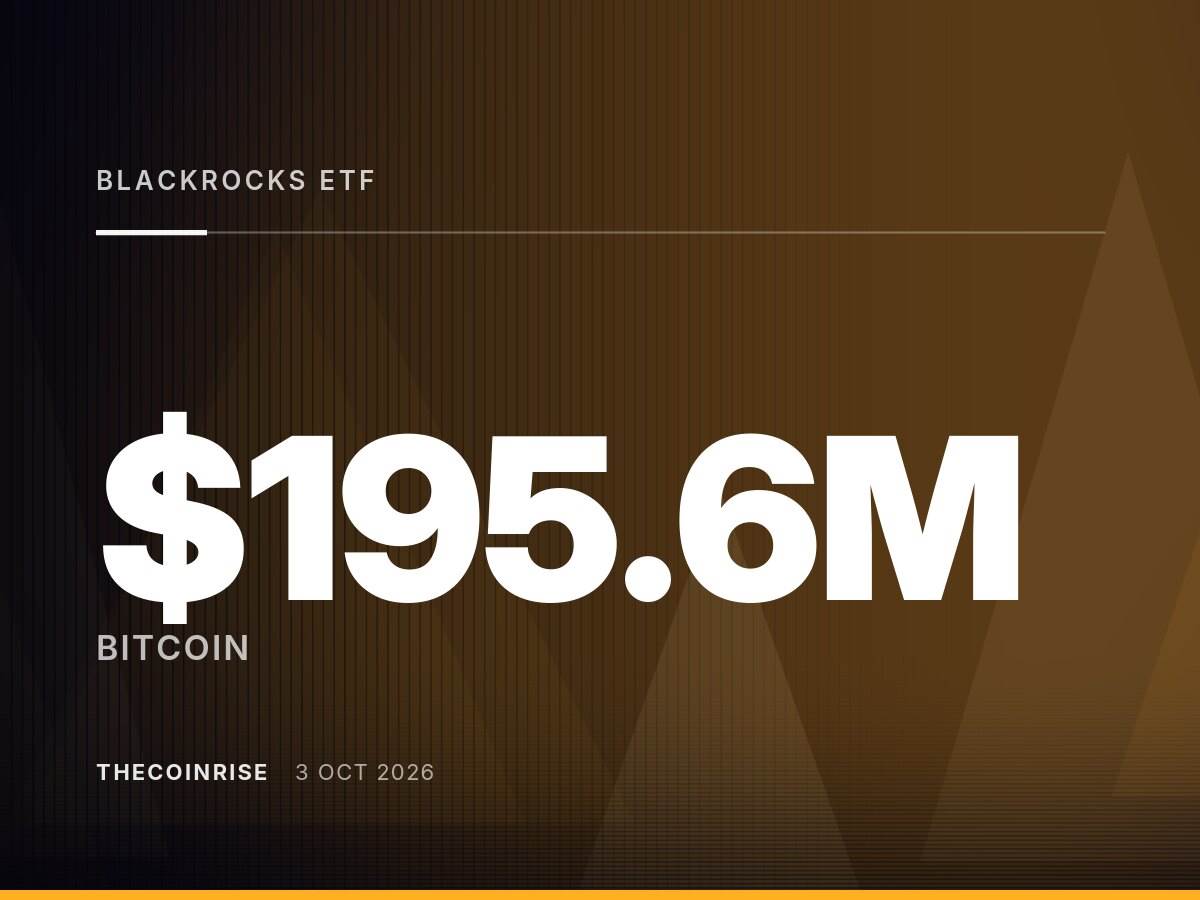
Institutional investors continue to serve as an important force in balancing profit-taking behavior of other holders. U.S. spot bitcoin exchange-traded funds (ETFs) recorded inflows of approximately US$6.34 billion in the third quarter, setting a record high for the 2026 quarter. At the same time, Bitcoin rose by more than 40% during this period.
However, the flow of ETF funds remains unpredictable. On September 30, the relevant funds experienced an outflow of nearly US$149 million, and then quickly returned to positive inflows on October 1. These sharp swings highlight the changing sentiments of large investors as they balance macroeconomic data with technical signals.
According to the latest data, short-term holdings of bitcoins are currently at the highest unrealized profit margin level in nearly two years. This situation increases the possibility of selling pressure whenever Bitcoin approaches the main resistance zone.
Trading Strategies and Market Tools
Technical traders pay close attention to resistance levels and market reactions to macro developments such as the Federal Reserve's decision or the listing of new altcoins. In a highly dynamic market environment, markets can reverse in seconds, and switching between different platforms for chart analysis, news browsing and combination monitoring can cause costly delays. As a result, many investors are relying on privacy-first aggregation tools that provide real-time charts, smart price alerts, currency-specific updates, and key macroeconomic data in a single interface without having to register for an account.
随着比特币价格上涨使更多持有者进入盈利状态,市场关注点仍集中在技术阻力位能否被突破,以及在宏观经济信号转变的情况下,机构资金流入是否将继续支持这一涨势。