Exchange Ranking
 Top Exchanges
 24h Volume Ranking
 Popularity Ranking
 Exchange BTC Balance
 Proof of Reserves
 Decentralized Exchanges
 Funding Rate
 Funding Heatmap
 Liquidation Data
 Max Pain
 Long/Short Ratio
 Whale L/S Ratio
 Binance/Okex/Huobi L/S
 Bitfinex Margin L/S
 ETF Tracker
 Solana ETF
 XRP ETF
 Hong Kong ETF
 Bitcoin Treasuries
 Crypto Reversal
 Ethereum Reserves
 HyperLiquid Wallet Analysis
 Hyperliquid Whale Watch
 Large Transactions
 On-chain Movement
 Bitcoin ROI
 Stablecoin Market Cap
 Options Analysis
 News
News Articles
 Economic Calendar
 Features
 Wallet
 Contract Calculator


 Security
 Collections
 Watchlist
 Following
 BTC
BTC Bukel denied that El Salvador had transferred Bitcoin reserves, emphasizing that only the controlling stake in Chivo Wallet had changed.
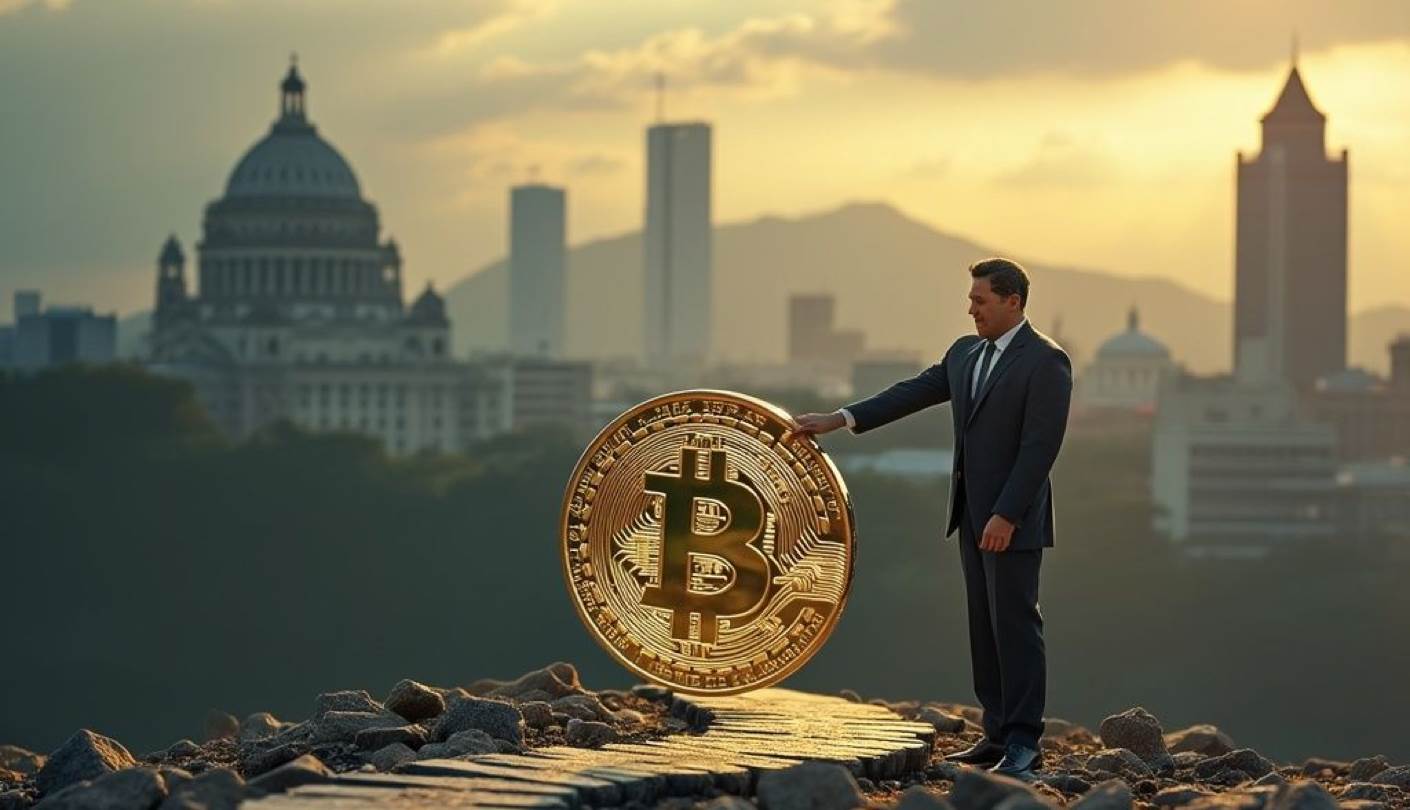
El Salvador President Naib Bukel refuted the claim that the government had transferred Bitcoin reserves to private operators. He pointed out that the change only involved majority ownership and control of Chivo Wallet, and the government's Bitcoin reserves were not affected.
The controversy stems from a September 3 statement issued by the International Monetary Fund (IMF) on El Salvador's economic projects. Bukel called on social media reports of "Bitcoin reserve transfers""completely false." He explained that it was only the equity in the Chivo Wallet entity that was transferred to the private operator. The government still holds a minority stake in Chivo, while the private operator gains majority ownership and operational control.
Chivo is strictly differentiated from strategic reserves
Although the IMF points out that the government is still the custodian of client assets, the core difference lies in two separate asset holding structures:
- Chivo Wallet: is a Bitcoin payment wallet backed by the government of El Salvador, launched in 2021 to serve public transaction needs.
- Strategic Bitcoin Reserve: Represents the government's sovereign BTC position, independent of Chivo. The reserve currently holds approximately 7,763 bitcoins, with a valuation of between $618 million and $632 million (approximately more than $600 million).
IMF confirms that recent Bitcoin purchases did not use public funds
According to the IMF report, since the first Extended Financing Facility (EFF) review was conducted on June 27, 2025, documents provided by El Salvador show that all bitcoins acquired since then have come from private donations and no public funds have been used to make purchases. The IMF also stated that El Salvador does not expect further Bitcoin accumulation beyond the recorded donations.
This disclosure came with an agreement covering the second and third EFF reviews. The agreement involves El Salvador's $1.4 billion expansion of financing facility plans. After obtaining board approval and completing preliminary actions, the country could receive approximately US$140 million in funding.
Chivo's ownership change complies with IMF project requirements
The IMF agreement also addresses Chivo's ownership and operating structure issues. The government has transferred most ownership and operational control of Chivo to a private operator, but the deal has nothing to do with the disposal of sovereign bitcoin reserves. As a result, Bucker opposed reports linking the Chivo reorganization to the transfer of sovereign BTC.
Looking back at history, El Salvador launched the Chivo Wallet when it implemented Bitcoin legal tender policy in 2021, providing registered users with a US$30 Bitcoin incentive. However, as part of the IMF project conditions, the country has withdrawn Bitcoin's legal tender status in 2025. Despite this, strategic bitcoin reserves remain in the hands of the government.
This latest IMF review also covers El Salvador's fiscal situation and debt sustainability. The proposed $140 million appropriation still requires approval by the executive board before it can take effect.