Exchange Ranking
 Top Exchanges
 24h Volume Ranking
 Popularity Ranking
 Exchange BTC Balance
 Proof of Reserves
 Decentralized Exchanges
 Funding Rate
 Funding Heatmap
 Liquidation Data
 Max Pain
 Long/Short Ratio
 Whale L/S Ratio
 Binance/Okex/Huobi L/S
 Bitfinex Margin L/S
 ETF Tracker
 Solana ETF
 XRP ETF
 Hong Kong ETF
 Bitcoin Treasuries
 Crypto Reversal
 Ethereum Reserves
 HyperLiquid Wallet Analysis
 Hyperliquid Whale Watch
 Large Transactions
 On-chain Movement
 Bitcoin ROI
 Stablecoin Market Cap
 Options Analysis
 News
News Articles
 Economic Calendar
 Features
 Wallet
 Contract Calculator


 Security
 Collections
 Watchlist
 Following
 BTC
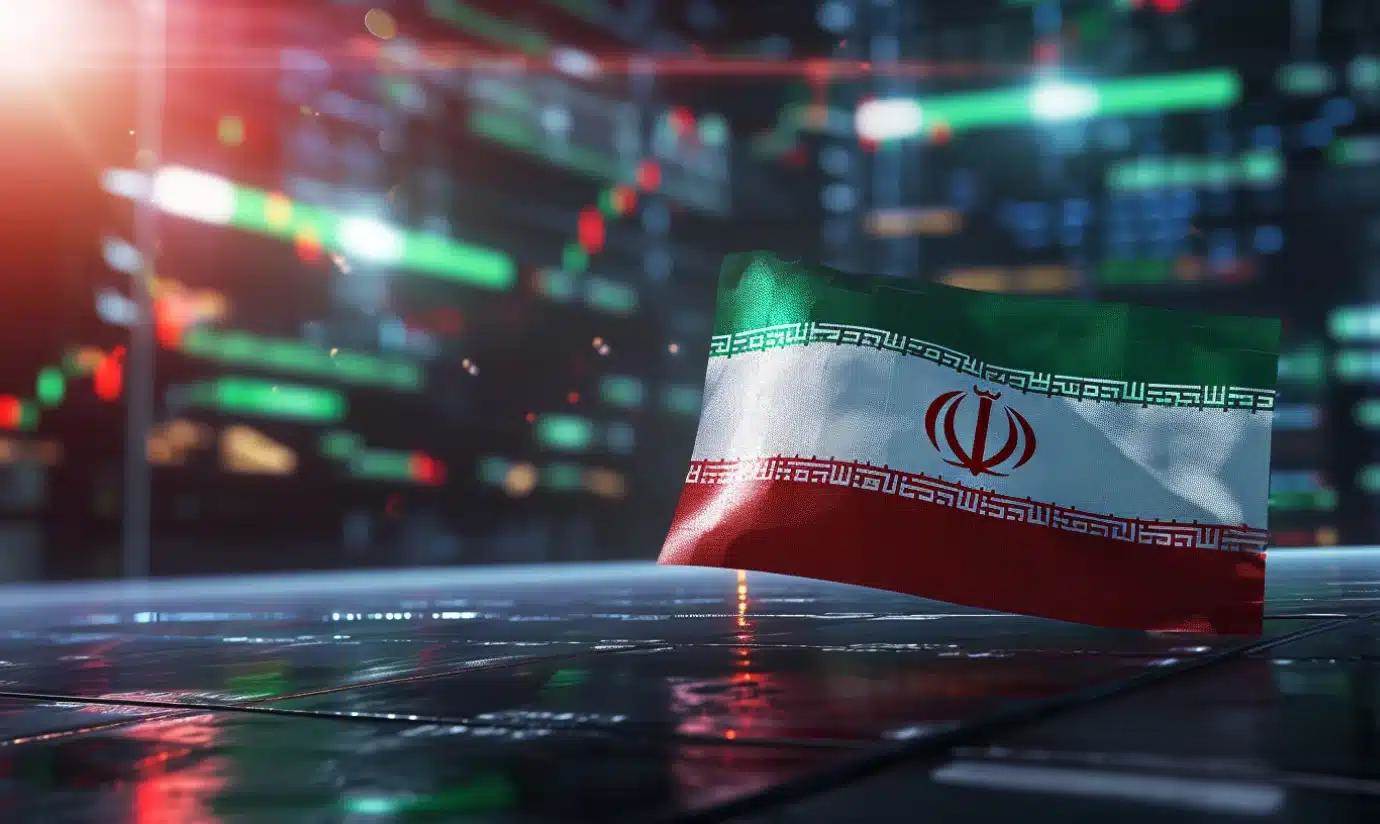
BTC Iran's central bank acquiesces in the use of cryptocurrency for export settlement to circumvent U.S. sanctions
It has been reported that in seeking to replace conventional banking channels subject to U.S. sanctions, the Central Bank of Iran has relaxed foreign exchange controls and tolerated companies using cryptocurrency for export payments. This move reflects the adjustment of Iranian companies 'response strategies in the face of financial blockade.
Cryptocurrency payments tend to be normalized in Iran
According to a report by the Financial Times on September 9, citing sources familiar with the matter, Iranian companies can receive cross-border payments through USDT (TEDA), Bitcoin and other digital assets, of which USDT is currently the most widely used asset. "Receiving export payments through cryptocurrency is now fully normal," a government-linked company executive told the newspaper. Although the executive asked for anonymity and the Central Bank of Iran did not respond to requests for comment, the statement reveals actual changes in the local business environment.
These arrangements are designed to reduce exporters 'dependence on Iran's official foreign exchange system. Iran has traditionally required companies to repatriate foreign exchange earnings through state-supervised channels, often at rates lower than open market levels. The new approach allows exporters to remit overseas funds back through domestic cryptocurrency exchanges, exchange foreign currencies through the open market, and even use export earnings directly to purchase imported goods.
It is worth noting that the Financial Times pointed out that this is a change at the enforcement level rather than the promulgation of public laws or formal central bank orders. There is currently no public document from the Central Bank of Iran confirming that cryptocurrency has become an authorized settlement method for all exporters. This distinction is crucial because tolerance by officials does not necessarily provide legal certainty for companies. Policies may change at any time and transactions may still face domestic reporting, tax or foreign exchange requirements.
On-chain data shows approximately US$9.9 billion in transaction volume
Data from blockchain analysis company TRM Labs shows that the volume of cryptocurrency transactions involved in Iran in 2025 will be approximately US$9.9 billion. Its 2026 Crypto Crime Report measures the total amount of inbound and outbound transactions related to Iranian services and entities. This figure is lower than the approximately US$11.4 billion recorded in 2024. TRM believes that continued trading volume reflects structural demand rather than purely speculative trading. It should be noted that blockchain attribution analysis is only an estimate, and the data may change as researchers identify more addresses.
Iranian users use digital assets for savings, transactions and cross-border payments. USDT allows investors to gain exposure to the U.S. dollar without requiring a U.S. dollar bank account, and the Tron network has become the mainstream choice for USDT transfers due to its relatively low transaction fees. In addition, Bitcoin mining is also an important encryption channel. Elliptic estimated in 2021 that Iran accounted for approximately 4.5% of global bitcoin mining at that time, but this figure is historical and should not be regarded as the exact share in 2026.
Although the scale of crypto activity, which is approximately US$10 billion per year, is relatively substantial, it is still small compared to Iran's broader economic and trade needs. Digital assets can improve access to settlement, but cannot completely replace bank relationships, trade finance or large foreign exchange markets.
U.S. sanctions increase trading risks
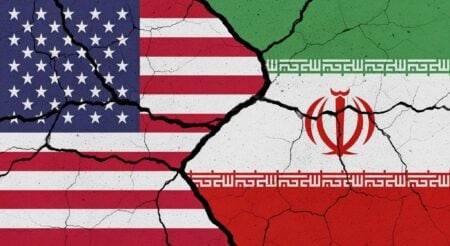
Iran's domestic acceptance of cryptocurrencies cannot override foreign sanctions. The U.S. Treasury Department views Iran's digital asset exchanges as Iranian financial institutions whose assets within U.S. jurisdiction must be frozen. According to a notice from the U.S. Department of the Treasury's Office of Foreign Assets Control (OFAC), U.S. persons are generally not allowed to trade with Iranian cryptocurrency exchanges unless there is an exemption or authorization. Sanctions obligations apply regardless of whether the transaction uses traditional currencies or digital assets.
This risk is not limited to U.S. companies. OFAC pointed out that non-U.S. financial institutions and other foreign personnel may also face sanctions if they substantively support designated Iranian exchanges or facilitate related transactions. In June, the Treasury Department designated four platforms, Nobitex, Wallex, Bitpin and Ramzinex, accusing them of operating in Iran's financial sector and assisting activities related to sanctioned entities. TRM estimates that the four exchanges handled approximately 78%(approximately US$7.7 billion) of Iran's attributed cryptocurrency trading volume in 2025, with Nobitex alone handling more than half of the inflows.
Stability coin freezing highlights regulatory controllability
While USDT may provide faster cross-border settlements, issuer Tether can freeze tokens at the tier level. This makes stablecoins more controllable than Bitcoin, which lacks a centralized issuer and corresponding freezing authority. In April, Tether froze approximately $344 million in USDT in two Tron addresses associated with Iranian state and military networks identified by U.S. authorities. This move shows that blockchain transfers do not automatically remove funds from the scope of sanctions enforcement. When the Administration determines that prohibited activities exist, stablecoin issuers, centralized exchanges and compliance intermediaries can restrict addresses or freeze assets.
Washington subsequently expanded its actions. U.S. authorities have stepped up actions against Iranian-related cryptocurrency networks and warned companies to be aware of digital asset transactions involving sanctioned Iranian entities.
Future development will depend on whether the Central Bank of Iran formally confirms the above policies, issues settlement rules, or licenses specific channels for exporters. Until then, claims that cryptocurrency payments have been "fully normalized" were still based on anonymous sources and industry testimony. For foreign exporters, exchanges and payment providers, their exposure to U.S., European and domestic sanctions must be assessed individually. Iran's current tolerance does not protect overseas counterparties from asset freezes, secondary sanctions or enforcement measures in other jurisdictions.