Exchange Ranking
 Top Exchanges
 24h Volume Ranking
 Popularity Ranking
 Exchange BTC Balance
 Proof of Reserves
 Decentralized Exchanges
 Funding Rate
 Funding Heatmap
 Liquidation Data
 Max Pain
 Long/Short Ratio
 Whale L/S Ratio
 Binance/Okex/Huobi L/S
 Bitfinex Margin L/S
 ETF Tracker
 Solana ETF
 XRP ETF
 Hong Kong ETF
 Bitcoin Treasuries
 Crypto Reversal
 Ethereum Reserves
 HyperLiquid Wallet Analysis
 Hyperliquid Whale Watch
 Large Transactions
 On-chain Movement
 Bitcoin ROI
 Stablecoin Market Cap
 Options Analysis
 News
News Articles
 Economic Calendar
 Features
 Wallet
 Contract Calculator


 Security
 Collections
 Watchlist
 Following
 BTC
BTC  ETH
ETH 深度解析 Coinbase:监管背景下的基础认知
Coinbase 是美国最大的加密货币交易所之一。诚然,对于许多美国人来说,这里可能是他们接触并购买加密货币的第一站。用户通过其应用程序进行加密资产的买卖与存储,该应用的操作体验更接近于常规银行应用,而非其他许多交易所仍在使用的那些笨重的交易终端。
除了面向日常用户的买卖功能外,Coinbase 还运营着机构业务板块,提供托管服务、为高频交易者提供深度流动性,并在任何代币正式进入交易阶段前,执行一套相当正式的 Coinbase 代币上市流程。
从一开始就理解 Coinbase 的监管环境,有助于解释为何该平台的行为模式与其他小型交易所截然不同。
传统模式下 Coinbase 的监管运作方式
在其大部分历史中,Coinbase 的监管主要意味着在全国范围内应对错综复杂的规则拼图,而非遵循单一清晰的联邦法规体系。具体而言:
- 它作为“货币服务企业”在金融犯罪执法网络(FinCEN)注册,该联邦机构负责反洗钱规则的制定与执行。
- 它在几乎每个州都持有独立的货币传输许可证,每个州都有各自独立的文件要求和规定。
- Some of its custody operations are operated under a limited purpose trust charter issued by the New York State Department of Financial Services.
- It has agreements with multiple state securities regulators on specific products, including pledge services in a few states.
While this architecture is barely feasible, navigating is costly and inefficient. Under this system, Coinbase's regulatory compliance means managing dozens of independent relationships rather than connecting to a clear federal point of contact. It is this decentralized regulatory jigsaw that has become the target of the next stage of reform to replace.
A major turning point in 2026
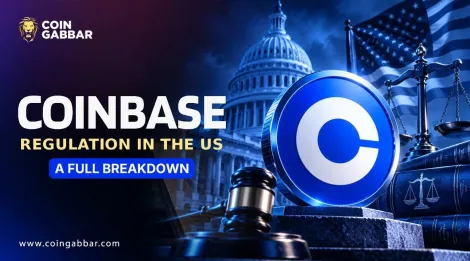
This year, Coinbase's regulatory process has taken a truly important step. On April 2, 2026, the U.S. Office of the Comptroller of the Currency (OCC) conditionally approved Coinbase to establish a new subsidiary called "Coinbase National Trust Company."
This charter effectively replaces the old puzzle of state money transfer licenses with a single federal regulatory agency. It allows Coinbase to serve primarily institutional clients as a qualified custodian of digital assets under the U.S. Securities and Exchange Commission (SEC) regulations. It should be noted that the charter does not allow Coinbase to take deposits or make loans, so no matter how reported, this does not mean it has become a full-fledged commercial bank. In addition, Coinbase still needs to pass a pre-opening review and meet several other conditions before the charter can finally take effect.
Coinbase 首席法务官将此批准描述为对其多年来建立合规性和监管信任的认可,而不是像许多批评者所假设的那样试图规避监管。《福布斯》对该决定的报道也指出,Coinbase 已经托管了与美国比特币和以太坊 ETF 资产大多数的关联份额,这正是新特许状旨在支持的机构权重。可以说,这是 Coinbase 历史上关于监管的最大变化。
这对 Coinbase 未来的监管意味着什么
这一转变改变的内容远不止是档案柜里的一份文件。联邦特许状使 Coinbase 拥有一个全国性的监管机构,取代了此前近乎每个州各自分离甚至相互冲突的规则。这强化了 Coinbase 作为美国现货比特币和以太坊 ETF 资产主要托管人的角色。
这也反映了一个更广泛的趋势:自2025年底以来,至少有另外11家加密货币和金融科技公司申请了类似的特许状。与此同时,华盛顿特区在单独的加密货币立法问题上仍存在持续分歧,因此若干监管问题仍处于开放状态。银行贸易团体也对这一趋势提出了反对意见,他们认为将加密货币公司纳入联邦银行体系可能会使更广泛的金融系统面临额外风险。随着更多批准的落地,这场辩论无疑将持续下去。未来几个月观察其他公司如何应对监管,很可能也将塑造整个行业的格局。
Coinbase 监管对普通用户的影响
对于普通用户而言,大多数影响在后台悄然发生,但它仍然以人们实际感知到的方式塑造着平台:
- 新代币上市审核:在 Coinbase 上 listing(列出)新代币意味着在交易开放前必须经过法律、合规和技术审查。
- 路线图的不确定性:代币有时会出现在 Coinbase 的公开上市路线图之前,但这并不等同于保证交易一定会开始。
- 更强的监管 Oversight:更严格的联邦监督通常意味着在托管、披露以及客户资产日常保护方面有更清晰的规则。
- 新手友好度:作为一家受监管的美国上市公司,这是 Coinbase 频繁出现在“最佳初学者交易所”列表中的主要原因之一,因为新用户往往重视这种监管清晰度,即使他们尚未完全理解其重要性。
Comparing Coinbase to other major platforms also helps put its regulatory status in a broader context. Looking at the top cryptocurrency exchanges, it can be seen that Coinbase's "compliance first" approach contrasts sharply with those exchanges that prioritize speed or asset diversity. Similar comparisons also point to Coinbase's listed company transparency as one of its main selling points in attracting cautious investors. This is a direct, daily dividend from stricter regulation, even if users have never thought about it from this perspective.
Conclusion
It is clear that throughout 2026, Coinbase's regulation has moved in a more structured direction, moving from a decentralized state-by-state regulatory system to a single federal framework built around the OCC. But this does not mean that all regulatory issues related to cryptocurrencies in the United States have been resolved, and the debate over stablecoins and broader legislation continues.
Still, understanding how Coinbase regulation actually works greatly explains why the platform tends to be seen as distinct from the existence of small or offshore exchanges, and why institutional investors still rely on it for custody and compliance services while the rest of the industry is constantly changing. Regardless of where the broader cryptocurrency industry goes in the future, Coinbase's regulatory practices are likely to continue to serve as a useful benchmark for how far large exchanges can move towards full federal regulation.