Exchange Ranking
 Top Exchanges
 24h Volume Ranking
 Popularity Ranking
 Exchange BTC Balance
 Proof of Reserves
 Decentralized Exchanges
 Funding Rate
 Funding Heatmap
 Liquidation Data
 Max Pain
 Long/Short Ratio
 Whale L/S Ratio
 Binance/Okex/Huobi L/S
 Bitfinex Margin L/S
 ETF Tracker
 Solana ETF
 XRP ETF
 Hong Kong ETF
 Bitcoin Treasuries
 Crypto Reversal
 Ethereum Reserves
 HyperLiquid Wallet Analysis
 Hyperliquid Whale Watch
 Large Transactions
 On-chain Movement
 Bitcoin ROI
 Stablecoin Market Cap
 Options Analysis
 News
News Articles
 Economic Calendar
 Features
 Wallet
 Contract Calculator


 Security
 Collections
 Watchlist
 Following
 BTC
BTC October 18, 2026: Legal analysis of U.S. tariff policy towards Russia and response strategies for cryptocurrency investors
On October 18, 2026, the U.S. government must determine a new tariff rate for Russia . Relevant laws allow a maximum setting of 500%, but no specific value is specified. The legal basis for this deadline is H.R. Bill 5334, which packages sanctions, tariffs and bans on Russia into a comprehensive plan. For cryptocurrency investors, October 18 is neither a buy signal nor a sell signal, but an important date on the calendar: it will determine whether a sanctions bill evolves into a major event at the macro level or just stays at the level of a narrowly drawn measure. This article will explain the essence of the law, explain how Russian sanctions are transmitted to the Bitcoin market, and the verification matters that can be carried out without adjusting positions at this stage.
H.R. Content and Importance of Bill 5334 on October 18
The White House report states that the President signed the H.R. on September 18, 2026. Bill 5334, the Lindsay O. Graham Sanctions Russia and Iran Act of 2026. The official statement said the bill authorized sanctions, tariffs and bans on Russia , expanded the scope of existing sanctions, and extended existing sanctions on Iran.
关键在于区分两个常被新闻标题混淆的概念。制裁法案本身并非关税:它建立法律基础,并指示政府在截止日期前设定具体税率。而关税则是进口商品在目的地国由进口商支付的税款,通常会被转嫁到商品价格中。
签署行为启动了一个30天的倒计时。贸易媒体CryptoSlate在其2026年9月19日的分析中将其推算至2026年10月18日:届时,政府必须确定实际适用的税率。这正是该日期引起加密货币市场关注的原因。在此之前,存在一个框架极宽泛的授权;在此之后,将出现一个可量化的具体数值。
对俄罗斯商品最高征收500%关税:上限而非强制费率
根据CryptoSlate的报道,该法案要求总统提高所有进口至美国的俄罗斯商品的关税,明确提及石油、天然气和石油产品,税率可达500%。
这一数字是上限,而非规定的固定费率。上限意味着政府有权采取此措施,但并非必须如此。因此,象征性附加费与全额水平之间的空间,远大于大多数现实市场场景之间的距离。任何将500%视为既定措施的人,都是误读了法律。
对市场的决定性因素并非头条新闻,而是执行力度。选择何种水平、涵盖哪些商品以及税率从何时开始适用:这三点在10月18日之前均未固定,且没有它们,无法严肃地量化传导路径。
第三国条款:其他国家面临高达100%关税的风险
第二项规定在经济层面的影响更为深远。该条款旨在针对第三国,即自身未受制裁但继续与俄罗斯进行贸易的国家。根据CryptoSlate的分析,如果在30天期限届满后购买新的俄罗斯原油或天然气,并成为五大买家之一,该国向美国出口的所有商品可能面临高达100%的关税。
同样的上限也适用于美国政府认为在规避石油制裁方面最有帮助的五个国家。此处所谓的“制裁规避”是指任何使受制裁商品或资金仍通过看似无辜的第三方到达目的地的途径,例如通过中介、重新登记船籍或在第三国的多层公司进行操作。
关键点在于:该法案并未列出这些国家,也未规定最低税率。因此,谁会受到打击是行政决策的结果,而非法定文本的直接后果。这种不确定性使得10月18日成为测试该方案是引发广泛贸易冲击还是局限于特定制裁措施的试金石。
六个委员会将在决策前至少十天收到书面说明——这是关税税率首次变得可见的地方。
十天预警:来自国会的首个实质性信号
该法案包含一项比任何预测都更具实用性的报告义务。在政府根据第三国条款实施或变更关税之前,总统或美国贸易代表必须提前至少十天向国会六个委员会提交书面说明。根据CryptoSlate的报道,该说明必须包括关税税率以及受影响国家被选中的方法论。
由此产生一个具体结论:首个实质性信号可能在10月18日之前很久就公开。因此,关注该日期的人士还应留意此前几天的国会通知,而不仅仅是截止日期本身。正是在这里,人们才能首次看到税率接近上限的程度以及哪些国家处于焦点之中。
豁免与弃权:为何上限很少成为最终结果
该法案内置了两个缓冲机制。一项豁免适用于某些天然气采购。此外,如果总统向国会证明此举符合美国的国家利益,他可以暂停关税。
此类弃权是一种正式决定,即不适用原本有效的规则。在制裁实践中,这通常是常态而非例外,因为它允许政府在施加压力的同时不损害自身的供应或重要的贸易伙伴。对于你的评估而言,这意味着可能的结果范围从几乎无后果的决定到对能源流动的实际干预,而这两种极端情况都在法案涵盖范围内。
美联储9月16日的决议及其对空间的压缩
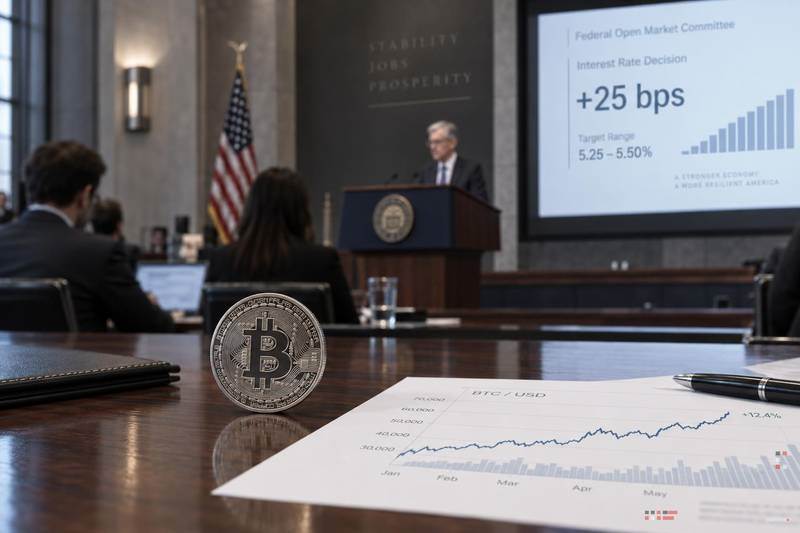
该日期恰逢货币政策刚刚转向的时刻。2026年9月16日,美国中央银行将政策利率提高了0.25个百分点,至3.75%至4.00%的区间,并将增加幅度归因于依然高企的通胀。这是自2023年7月以来的首次加息;德国商业媒体一致报道了这项全票通过的决议,并暗示年底前还将进一步行动。
为何这与此相关:一家已经采取限制性行动的央行,在面对能源价格额外上涨时,几乎没有通过宽松政策来回应的空间。在降息阶段的能源冲击与在加息阶段的同一冲击运作方式不同。我们目前正处于第二种情况。
从关税税率到加密货币价格的传导路径经过能源价格——水龙头关得越紧,链条中的环节就开始移动得越多。
通往加密货币市场的传导路径:能源、通胀、利率、美元
CryptoSlate描述了从关税到价格的四个链接环节,这是该媒体的评估,而非本新闻编辑室的预期。首先是能源:对继续购买俄罗斯石油或天然气的国家征收高关税,可能会一旦进一步的购买在经济上或政治上变得昂贵,就会改变贸易流向。世界市场价格是否会有所反应,取决于哪些国家受到打击、税率有多高,以及俄罗斯产量是仅仅被重新定向还是完全退出市场。
第二个链接是通胀。据CryptoSlate报道,美联储理事Christopher Waller今年指出,持续较高的能源成本会通过其他商品和服务的价格反映出来,因为企业会转嫁其增加的投入成本。反复的能源和关税冲击也可能推高通胀预期。
第三个链接是利率和美元:上升的通胀预期会推高政府债券收益率并支撑美元,这使得资本更加昂贵,并减少了风险资产的流动性。第四个链接是加密货币市场本身。CryptoSlate引用的国际清算银行(BIS)的一项研究将更严格的美国货币政策与加密货币价格下跌和稳定币需求减弱联系起来。
This is a chain of mechanisms, not a timetable. Every link may remain or break, and no one can seriously say the exact location of Bitcoin on October 19. Cryptoticker.io described the market's responsiveness to tariff news in a February 23, 2026 analysis of the volatility surrounding its early tariff plans; the newsroom analyzed the transmission path through oil prices on March 28, 2026, using the Russian export ban as an example.
Counter-argument: Why the effect may not manifest
A date with unknown results has two sides. There are three reasons why there will be no significant market shock, all built into the bill itself: mild enforcement, with taxes well below the cap; generous use of waiver clauses; and Moscow can simply redirect its production to other buyers without having to pull it out of the market. If energy prices remain stable, nothing will reach the end of the chain.
There are also three reasons for a significant effect: aggressive high tax rates on Russia the largest buyer of energy; continued pressure on oil and gas prices; and a central bank that wants to tighten policy because of high inflation. If all these conditions are met at the same time, the sanctions package will become another brake on financing conditions. Which description applies can only be determined after the tax rate is announced, and the person selling in the direction today is selling an assumption.
Why the US bill is different from the EU's cryptocurrency sanctions
此处值得做出区分,因为这两个主题几乎总是出现在同一个搜索词下。任何搜索“加密货币制裁”的人几乎总是会找到欧洲的措施,而不是这项美国法案。H.R. 5334是一项处理货物流量的贸易和制裁法律。据报道,就现有来源而言,该法案对加密货币、加密交易所或加密服务提供商没有任何涉及。
欧盟采取了不同的路线,直接打击加密基础设施。2026年8月21日,cryptoticker.io详细阐述了EU交易禁令于8月23日屏蔽了哪十四个加密平台,以及这对 incoming transfers(入金转账)意味着什么。那里列出的是一份制裁名单、对俄罗斯行为者禁止某些服务的规定,以及未来欧盟可以覆盖整个第三国的规则。
放置此情况的经验法则:美国法案仅通过宏观渠道间接影响加密货币市场。欧洲措施直接作用于个别平台、钱包和交易。对于你的投资组合而言,这是两种完全不同的风险,其中只有一种在10月18日有日期标记。
为何加密货币会出现在制裁辩论中
Since the beginning of the war in Ukraine, financial sanctions against banks and other financial institutions have become a standard tool kit in the West. Financial sanctions are orders to deprive specific individuals, companies, or countries of access to the financial system and act through institutions that provide such access. This is where cryptocurrency comes into view: Payments can be settled without banks, so many regulators see the cryptocurrency industry as a possible way to circumvent sanctions.
The flip side of this concern is rarely mentioned. The public blockchain is a permanent cash ledger that anyone can check. Authorities and professional analysis firms have been tracing addresses for years, and assets on listed addresses can be frozen, and regulated crypto companies run anti- money laundering and sanctions screenings in the same step. For the entire cryptocurrency industry, this means that regulated transactions are transparent rather than anonymous, which is why sanctions can be enforced here.
Sanctions risk in your portfolio: What happens if all related parties to your transaction are listed
Specific, non-macroeconomic risks are present in your provider's sanctions screening. Crypto service providers in the EU must check customers, wallet addresses and incoming transactions against sanctions lists. If a screening is triggered, the amount will be frozen and reported rather than processed, regardless of whether you know the source of the funds.
如果发生在你身上,流程如下:提供商冻结金额,通知主管监管机构,并且通常甚至不能告诉你原因。在德国,BaFin是该流程的最终监管机构。释放仅在官方审查后进行,这需要时间。缺乏资金来源完整证据的客户等待时间最长。
对你而言,这意味着两点。第一:在没有坚实监管的提供商处持有的余额,在制裁情况下比在有监管的交易所更难触及。现在适用于受监管提供商的义务已在MiCA加密公司许可要求的概述中规定。其次,在结果不明的日期临近之前,查看受监管加密交易所的比较是有意义的,而不是之后。
在10月18日之前无需交易即可检查的事项
对宏观日期最有用的准备是由无论结果如何都有意义的作业组成。买卖不属于其中。
- 注意日期和提前期:2026年10月18日是截止日期;根据十天规则的国会通知是更早的信号。两者都应列入同一个日历条目。
- 梳理你的交易对手:每种持仓位于何处,哪个提供商受哪个监管机构监管,如果发生这种情况,提现需要多长时间?
- 重新计算杠杆率和清算水平:任何使用借入资本的人都应在波动窗口到来之前知道头寸自动关闭的价格。这个数字最好在局势平静时知晓。
- 检查你的访问权限:双因素认证方法、恢复代码和你自己的钱包访问是否有效?一个关注度高的日期也是一个欺诈风险高的日期。
这些都不是对方向的赌注,如果10月18日毫无后果地过去,它们都保持其价值。
税务:恐慌性抛售的成本高于价格下跌
一个结果不明的日期会促使人们进行快速抛售,而在德国,这往往是最昂贵的部分。根据德国《收入税法》第23条关于私人处置交易的规定:持有加密货币超过一年,收益免税销售。在一年内出售,一旦超过日历年度1,000欧元的免税额,收益将根据你的个人税率征税;该限额自2024年评估期起适用。
So if you sell one-year positions in October out of nervousness that will expire in December, nervousness may cause more losses than the price drop you fear. There is also an obligation to record: the acquisition date, acquisition cost and distribution method chosen must be supported by evidence, which is difficult to update afterwards. How to cleanly retain this evidence can be found in a comparison of crypto tax software and portfolio trackers. Tax advice is still a must for assessment cases; this section does not replace professional advice.
What is not mentioned in the bill
Being honest about openness includes listing undetermined matters. The bill does not list the countries affected. No minimum tax rate is specified. Based on existing sources, it does not contain any specific cryptocurrency terms. And it does not say how quickly the tax rate, once set, is actually levied.
The statutory text also cannot tell you the scale of direct trade between the United States and Russia today. Anyone who wants to estimate the impact needs this order of magnitude, which is one of the points that needs to be reviewed after the tax rate is announced. As long as these data are absent, any specific price expectations for that date are unfounded assertions.
Russia Sanctions and Cryptocurrencies: Summary of Points
Consider October 18, 2026 as a date, not a signal. The key will be the level of tax rates and the list of affected countries, and the first signal may come from Congress ten days ago. Regardless, those planning to enter at this stage should address the provider issue first: crypto exchange comparison can exclude it before things get messy.
Check your tax status before possible fluctuations, not after. Holding periods and evidence often determine net returns more clearly than the price itself;tax tools in comparison can retain them while the historical record is still complete.
Separate macro risks from provider risks. The U.S. bill works through energy, inflation and interest rates; European sanctions directly hit individual platforms. For the second risk, choosing a regulated counterparty helps, as broken down in the comparison of regulated crypto exchanges.
The main source of this article: September 18, 2026, White House Resolution on signing the H.R. 5334's statement, and CryptoSlate's assessment on September 19, 2026 regarding the October 18 date. (As of September 20, 2026. This article does not constitute investment advice. Price and fee structures are subject to change; please check terms with your provider before purchasing.)