Exchange Ranking
 Top Exchanges
 24h Volume Ranking
 Popularity Ranking
 Exchange BTC Balance
 Proof of Reserves
 Decentralized Exchanges
 Funding Rate
 Funding Heatmap
 Liquidation Data
 Max Pain
 Long/Short Ratio
 Whale L/S Ratio
 Binance/Okex/Huobi L/S
 Bitfinex Margin L/S
 ETF Tracker
 Solana ETF
 XRP ETF
 Hong Kong ETF
 Bitcoin Treasuries
 Crypto Reversal
 Ethereum Reserves
 HyperLiquid Wallet Analysis
 Hyperliquid Whale Watch
 Large Transactions
 On-chain Movement
 Bitcoin ROI
 Stablecoin Market Cap
 Options Analysis
 News
News Articles
 Economic Calendar
 Features
 Wallet
 Contract Calculator


 Security
 Collections
 Watchlist
 Following
 BTC
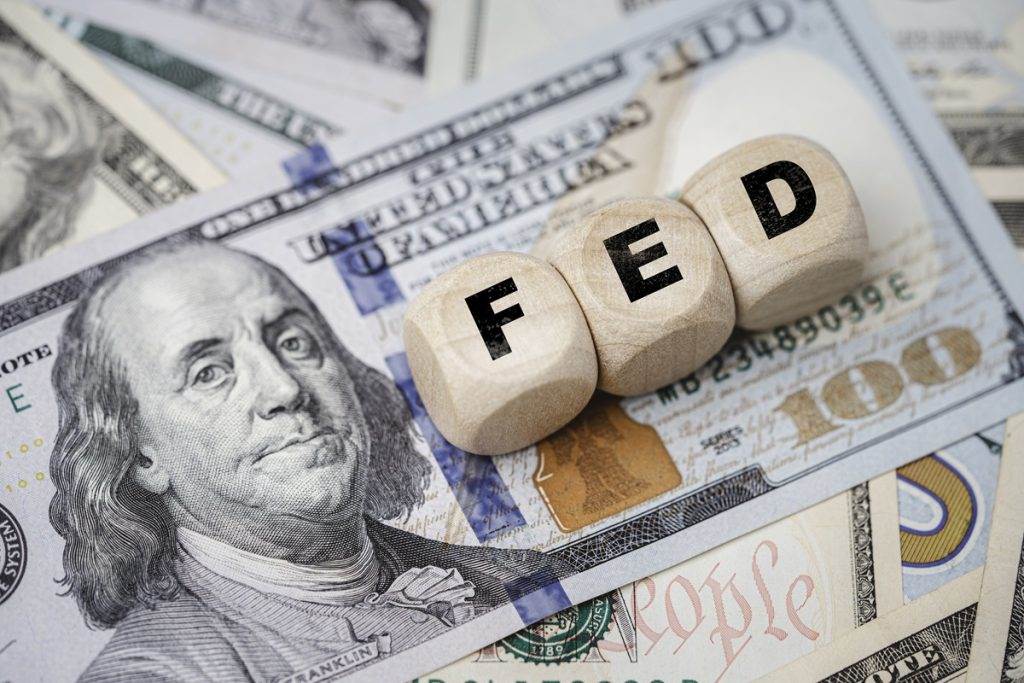
BTC Dallas Fed warns: tokenized deposits may pose risks to the financial system
The Dallas Federal Reserve Bank recently issued a warning that the growing popularity of tokenized deposits in the banking industry may have unpredictable consequences for the financial system. Researchers at the bank believe that tokenized deposits may encourage customers to transfer funds between different banks at a faster rate in pursuit of higher returns, which will significantly weaken the bank's liquidity management capabilities and lending capabilities.
In a study released on August 25, the Dallas Fed pointed out that tokenized deposits relocate traditional bank deposits to blockchain infrastructure and have features such as instant settlement and programmable payments. Unlike stablecoins such as USDT and USDC, these products are issued by regulated banks and retain the characteristics of bank deposits. The ability to pay interest to depositors is also an important difference.
However, the Dallas Fed believes that blockchain-based instant payment infrastructure, smart contracts and future AI-based financial intermediaries could allow customers to easily switch to banks that offer higher interest rates within seconds. This may reduce the "stickiness" of traditional deposits-the nature of funds staying in banks for longer periods of time, making deposits more sensitive to changes in interest rates.
Federal Reserve's US$700 billion risk assessment
According to calculations by the Dallas Fed, about 80% of the interest rate risk borne by the U.S. banking system benefits from the relatively long-term and stable nature of deposits.
The researchers calculated that if the sensitivity of deposits to interest rates was increased by 10%, the interest rate risk that banks can withstand (on a 10-year equivalent basis) could be reduced by approximately $700 billion.
Similarly, it is estimated that if the weighted average maturity of deposits were reduced by 10%, the banking system's term conversion ability could be reduced by approximately US$580 billion.
Banks mainly use short-term deposits to fund housing loans, corporate loans and other long-term financing products. However, deposits are starting to flow faster, which may make it more difficult for banks to maintain this model.
The Dallas Fed said banks may have to resort to more expensive wholesale sources of financing, such as term borrowing, if they want to maintain their existing loan portfolios. In this case, the financing models of traditional banks may become increasingly like non-bank financial institutions, resulting in higher credit costs for consumers and businesses.
The Fed also pointed out that banks may pay more attention to easy-to-liquidate assets such as reserves and U.S. Treasury bonds to reduce liquidity risk.
Although tokenized deposits are still in their early stages of development, major financial institutions are increasingly testing blockchain-based payment and round-the-clock consensus systems.
The Dallas Fed also pointed out that tokenized deposits may be one of the important measures taken by the banking industry to deal with stablecoins. However, widespread use of this technology could affect multiple areas of the financial system, from payment systems to monetary policy transmission mechanisms to central banks 'role as lenders of last resort.
What impact mayhave on Bitcoin?
Although the Dallas Fed's research is not directly focused on Bitcoin, the potential shifts outlined in the report could have a long-term positive impact on Bitcoin, while in the short term, there could be two-way results.
First of all, the report points out that blockchain technology may not only become the basic payment infrastructure of the cryptocurrency market, but also the infrastructure of the traditional banking system. The fact that banks are starting to try tokenize deposits may increase institutional adoption of blockchain-based financial infrastructure. This may indirectly enhance the legitimacy of digital asset classes, including Bitcoin.
Second, a more important channel may be structural changes in the banking system. If deposit flows accelerate, weakening banks 'ability to issue long-term loans and increasing financing costs, the price of liquidity in the financial system could rise. In the short term, this environment may be unfavorable for risky assets. Rising credit costs and tightening financial conditions could also put selling pressure on Bitcoin.