Exchange Ranking
 Top Exchanges
 24h Volume Ranking
 Popularity Ranking
 Exchange BTC Balance
 Proof of Reserves
 Decentralized Exchanges
 Funding Rate
 Funding Heatmap
 Liquidation Data
 Max Pain
 Long/Short Ratio
 Whale L/S Ratio
 Binance/Okex/Huobi L/S
 Bitfinex Margin L/S
 ETF Tracker
 Solana ETF
 XRP ETF
 Hong Kong ETF
 Bitcoin Treasuries
 Crypto Reversal
 Ethereum Reserves
 HyperLiquid Wallet Analysis
 Hyperliquid Whale Watch
 Large Transactions
 On-chain Movement
 Bitcoin ROI
 Stablecoin Market Cap
 Options Analysis
 News
News Articles
 Economic Calendar
 Features
 Wallet
 Contract Calculator


 Security
 Collections
 Watchlist
 Following
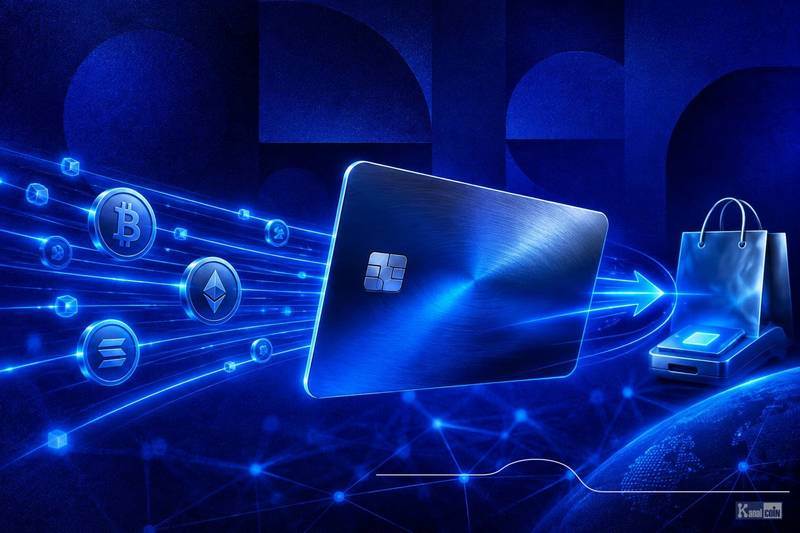
Bybit Pay integration with Mesh: Users can directly use encrypted assets to consume without having to withdraw cash in advance.
Bybit Pay has been integrated with Mesh. The two companies said the move allows users to directly use crypto assets for consumption without having to first make a separate withdrawal operation, strengthening the link between exchange balances and daily payments.
According to the announcement, this cooperation connects Bybit Pay with a Mesh-based platform, allowing digital assets to flow directly into the payment process, eliminating the need to initially transfer funds from the exchange. The core content of the message is very clear: this is an integration between Bybit Pay and Mesh. For users, the main highlight is that they can use encrypted assets for consumption without withdrawing cash.
Currently, Bybit has not announced the specific launch schedule, supported asset list and covered areas. Users in Southeast Asia need to wait for the exchange to confirm these details.
Why it is important to skip the withdrawal step
In a typical crypto-payment process, users hold assets on an exchange and must first withdraw the assets to an external wallet before they can be used to pay merchants. This extra step increases operational friction and may slow down the purchasing process.
By connecting Bybit Pay with Mesh's payment channel, this integration aims to eliminate this intermediate link. Existing data does not claim to reduce fees or speed up settlement, so the most obvious advantage lies in convenience: the reduction of the steps between holding a crypto asset and actual consumption.
For Southeast Asia's approximately 700 million people, mobile-first payment methods have long been deeply rooted in the hearts of the people. The smoother path from exchange balances to payment settlement directly reflects the actual use of cryptographic assets in daily life, rather than just for transactions.
What this means for Bybit's payment strategy
Such payment integrations often point to product extensions or functional improvements, rather than growth in transaction volume. This cooperation puts "consumption" rather than "speculation" at the core. This framework shows that Bybit is continuing to build consumer-facing payments within its ecosystem, which is more an interpretation than a confirmed roadmap.
The exchange has also been active in infrastructure, such as plans to migrate its trading servers to Tokyo and tailor-made products for regional users, such as expanding Sharia-compliant account services. This advancement in the payment field is consistent with its overall model of broadening practicality.
Bybit is not the only platform involved in this space; platforms, including other competitors, are implementing similar "consumer-out-the-box crypto-asset" processes. For regional exchanges such as Indodax, Tokocrypto and Coins.ph, the question is whether "spending without withdrawing money" will become a basic feature that users expect.
Users should pay attention to the details that have not yet been announced: supported merchants, asset coverage, and the first markets to launch. As governments in the region move to regulate digital assets, such as Vietnam's plan to establish a regulated crypto market, how such payment integrations are compatible with local regulations will determine their coverage in the ASEAN region.