Exchange Ranking
 Top Exchanges
 24h Volume Ranking
 Popularity Ranking
 Exchange BTC Balance
 Proof of Reserves
 Decentralized Exchanges
 Funding Rate
 Funding Heatmap
 Liquidation Data
 Max Pain
 Long/Short Ratio
 Whale L/S Ratio
 Binance/Okex/Huobi L/S
 Bitfinex Margin L/S
 ETF Tracker
 Solana ETF
 XRP ETF
 Hong Kong ETF
 Bitcoin Treasuries
 Crypto Reversal
 Ethereum Reserves
 HyperLiquid Wallet Analysis
 Hyperliquid Whale Watch
 Large Transactions
 On-chain Movement
 Bitcoin ROI
 Stablecoin Market Cap
 Options Analysis
 News
 Articles
 Economic Calendar
 Features
 Wallet
 Contract Calculator


 Security
 Collections
 Watchlist
 Following
 XRP
New liquidity channels: Tokenized assets and blockchain infrastructure reshape financial markets
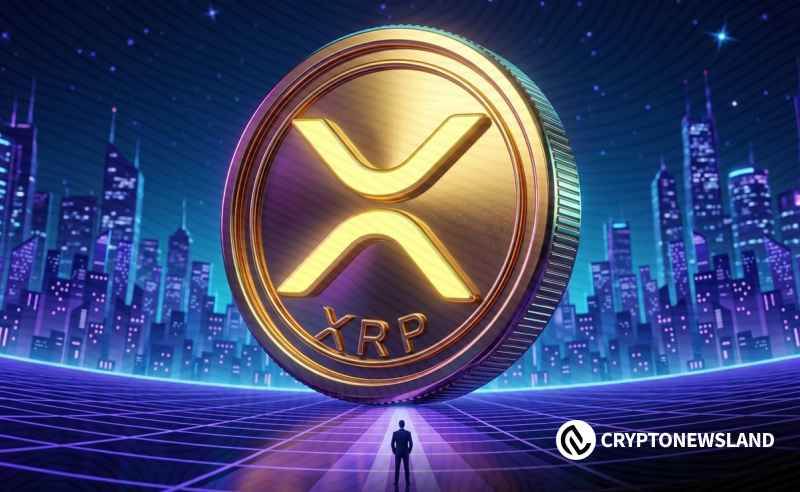
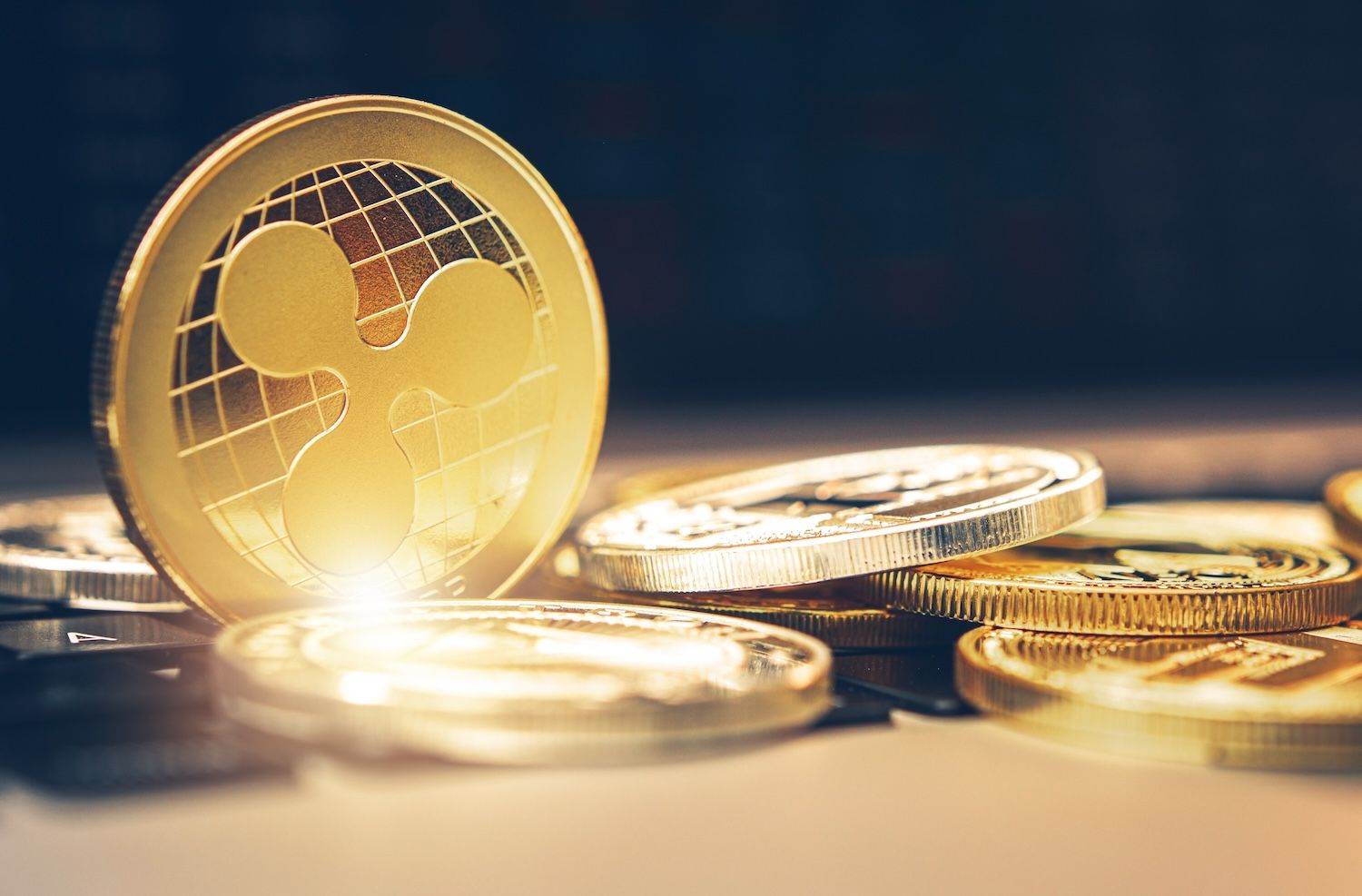
By tokenizing stocks, treasury bonds and stablecoins, new liquidity channels may open the way for more complex financial markets. The Trump Account is expected to popularize investment concepts to millions of young Americans, while blockchain technology is accelerating its integration into traditional financial markets. Ripple's institutional expansion integrates stocks, currencies, fixed income, derivatives and digital assets into a broader financial platform. XRP has become part of this larger financial transformation, which includes asset tokenization, stablecoins, institutional platforms, and blockchain-based financial market infrastructure.
Trump Account allows investment to reach younger generations of Americans
X Finance Bull connects the Trump Account to a broader shift to digital financial markets. The analysis linked the project to tokenized securities, stablecoins and Ripple's expanding institutional infrastructure, and viewed the $1,000 treasury bond injection as part of a broader market transition.
The Treasury Department completed the automatic registration of the "Trump Account" on October 1. More than 60 million eligible children under the age of 18 can claim an account. Children participating in the pilot program may receive a $1,000 national debt injection.
The funds will initially be invested in eligible U.S. broad-based index stocks. Therefore, this project does not directly represent the configuration of XRP. Instead, it aims to expose young Americans to the concepts of investment accounts and market ownership. Currently, based on market data provided, the price of XRP is approximately US$1.49. This number places it in the broader context of market discussions rather than serving as the main basis for the core argument. The core focus remains on changes in financial infrastructure and innovations in investment acquisition methods.
Tokenized assets connect traditional and digital markets
Comments point to the innovation exemption issued by the U.S. Securities and Exchange Commission (SEC) in September. The exemption allows limited trading involving tokenized NMS (National Market System) stocks in a restricted automated market maker environment.
The framework cited inrequires that the underlying smart contract remain public and auditable. These contracts must also run on public unlicensed ledgers. This creates another layer of connection between traditional securities and blockchain infrastructure. Stocks, funds and treasury bonds may be tokenized and added to emerging markets. stablecoins and digital goods may operate in parallel with these assets. Cryptocurrency ETFs (exchange-traded funds) can further connect mature investment channels with digital markets.
Federal policy is also promoting the integration of digital assets with financial services. Relevant information connects this direction to payment systems and traditional market infrastructure. These developments collectively point to an increasingly interconnected financial system.
Ripple expands across institutional asset classes
Ripple Prime's Delta One business covers U.S. listed stocks and indices and includes its digital assets in its institutional product portfolio. Ripple's broader platform spans foreign exchange, fixed income, derivatives and digital assets. Institutional clients can reportedly cross-mortgage positions between these markets around the clock. This ability places multiple asset classes in an interconnected financial environment and also brings blockchain infrastructure closer to mature institutional operations.
The broader argument focuses on liquidity between tokenized financial assets. Tokenized stocks, treasury bonds, RLUSD and other stablecoins may require efficient settlement routes. XRP may act as an intermediary when market conditions make the route economically feasible.
One possible structure is to convert tokenized assets to RLUSD via XRP. Another path can connect different digital dollars through XRP. However, direct trading pairs, stablecoins, and competitive networks may also provide alternative channels of liquidity.