Exchange Ranking
 Top Exchanges
 24h Volume Ranking
 Popularity Ranking
 Exchange BTC Balance
 Proof of Reserves
 Decentralized Exchanges
 Funding Rate
 Funding Heatmap
 Liquidation Data
 Max Pain
 Long/Short Ratio
 Whale L/S Ratio
 Binance/Okex/Huobi L/S
 Bitfinex Margin L/S
 ETF Tracker
 Solana ETF
 XRP ETF
 Hong Kong ETF
 Bitcoin Treasuries
 Crypto Reversal
 Ethereum Reserves
 HyperLiquid Wallet Analysis
 Hyperliquid Whale Watch
 Large Transactions
 On-chain Movement
 Bitcoin ROI
 Stablecoin Market Cap
 Options Analysis
 News
News Articles
 Economic Calendar
 Features
 Wallet
 Contract Calculator


 Security
 Collections
 Watchlist
 Following
 BTC
BTC  SKY
SKY Standard Chartered Bank is optimistic about Sky: Predicts that SKY tokens are expected to rise fivefold by the end of 2028
Standard Chartered Bank has released a comprehensive analysis report for Sky, a decentralized finance (DeFi) platform. The agency predicts that as the Sky ecosystem expands, the SKY token price could rise about fivefold to $0.325 by the end of 2028. Currently, the trading price of SKY tokens is approximately US$0.063.
Standard Chartered Bank's forecast is not based solely on fluctuations in token prices. The bank believes that the growth of Sky's ecosystem will drive an increase in its supply of stablecoins USDS, which in turn will increase the level of income allocated to token holders.
Why is Standard Chartered Bank optimistic that SKY has five growth potential?
Geoffrey Kendrick, head of digital asset research at Standard Chartered Bank, defines Sky as a "federal bank in the DeFi space." According to Kendrick, Sky not only issues stablecoins, but also formulates governance rules and provides funds to borrowers through wholesale interest rates. From a traditional financial perspective, Sky's structure is similar to a central bank, while its intermediary role in the ecosystem is similar to that of a commercial bank.
Sky's three major intermediaries-Spark, Grove and Obex-have so far issued a cumulative US$5.9 billion in USDS loans. These intermediaries channel funds into projects with revenue strategies and pay Sky a basic interest return that currently stands at approximately 3.8%.
What are Sky's revenue sources?
Spark focuses on providing crypto credit through agreements such as Aave and Morpho;Grove adopts an investment strategy to invest in real-world assets (RWAs), including products from companies such as BlackRock, Janus Henderson and Apollo; and Obex brings professional capital managers into the Sky ecosystem.
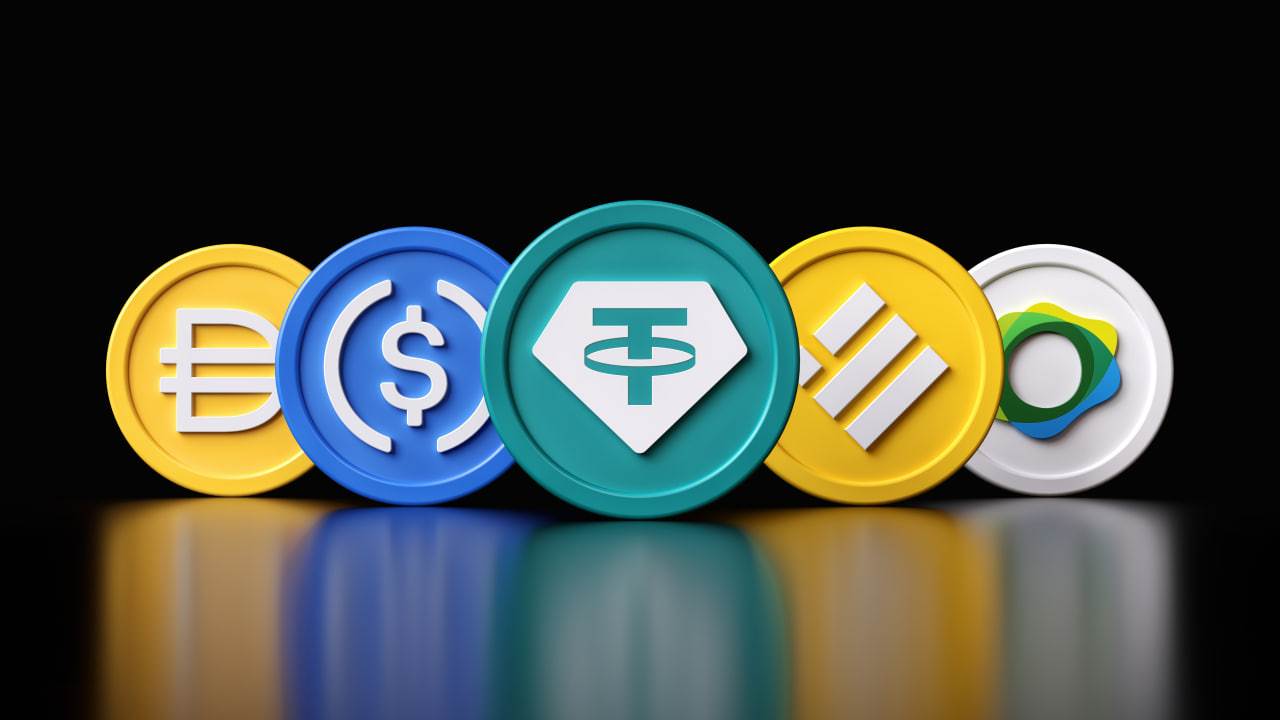
In addition, Sky also generates revenue through its USDC holdings in Coinbase and an old loan pool related to its predecessor, DAI. USDC plays a role in Sky's Peg Stability Module, allowing for interchanges between USDS and USDC.
Standard Chartered expects that as Sky's USDS business expands, the revenue allocated to token holders will also increase. This part of the income can be returned to SKY holders through pledge rewards and token repurchase.
How can SKY prices move towards the target of US$0.325?
In Kendrick's model, Sky's growth is divided into two phases:
- Phase 1: Sky is able to allocate more of its existing income by building larger financial reserves.
- Phase 2: As USDS borrowing increases, potential income that can be allocated will further expand.
Currently, SKY has approximately US$90 million in "Aggregate Backstop Capital" as a reserve buffer. Kendrick predicts that if current rates are maintained, the reserve could increase to $150 million within eight months. Once reserves reach 1.5% of the amount of USDS in circulation, the amount of funds available for SKY pledge rewards and repurchase may double.
Does Sky have more room for growth?
In terms of credit, Token also has important capacity potential. Spark, Grove and Obex have a total borrowing limit of $17.5 billion, which is nearly three times the current borrowing size of $5.9 billion.
Kendrick pointed out that even if these limits are not fully utilized, the increase in borrowing volume can increase Sky's revenue by two to three times as long as the spread remains the same.
Standard Chartered Bank also assumes in its forecast that SKY's current pledge yield of 4.2% will remain at a similar level. The bank believes that under this model, increased rewards could support token prices. Kendrick views SKY mainly as a token that provides pledge income and believes that the repurchase mechanism plays a relatively limited role in it.
What are the biggest risks to this forecast?
Standard Chartered maintains its view that by the end of 2028, the size of the entire stablecoin market may reach US$1 trillion. However, the bank is more cautious about how much of this growth will go to the gain-producing stablecoins.
Sky's US$0.325 target relies heavily on this growth assumption. The main risk Kendrick pointed out is that the gain-producing stablecoins may grow at a slower rate than expected.
If this happens, Sky's revenue growth space and the pool of funds used for pledge rewards and buybacks may shrink. Conversely, if the USDS and Sky ecosystems develop as expected, then it is possible for SKY to achieve a five-fold increase by the end of 2028 based on Standard Chartered Bank's model.
In addition, Kendrick is also optimistic about Bitcoin. He believes that BTC may retest its all-time high of $126,000 before the end of the year. Analysts pointed out that especially after October 6, Bitcoin's upward trend may become stronger.
Note: The content of this article is based on general market data and does not constitute investment advice. Readers are advised to conduct independent research.