Exchange Ranking
 Top Exchanges
 24h Volume Ranking
 Popularity Ranking
 Exchange BTC Balance
 Proof of Reserves
 Decentralized Exchanges
 Funding Rate
 Funding Heatmap
 Liquidation Data
 Max Pain
 Long/Short Ratio
 Whale L/S Ratio
 Binance/Okex/Huobi L/S
 Bitfinex Margin L/S
 ETF Tracker
 Solana ETF
 XRP ETF
 Hong Kong ETF
 Bitcoin Treasuries
 Crypto Reversal
 Ethereum Reserves
 HyperLiquid Wallet Analysis
 Hyperliquid Whale Watch
 Large Transactions
 On-chain Movement
 Bitcoin ROI
 Stablecoin Market Cap
 Options Analysis
 News
News Articles
 Economic Calendar
 Features
 Wallet
 Contract Calculator


 Security
 Collections
 Watchlist
 Following
 BTC
BTC British investor successfully recovered 61 bitcoins worth approximately US$4.5 million after losing access for 12 years
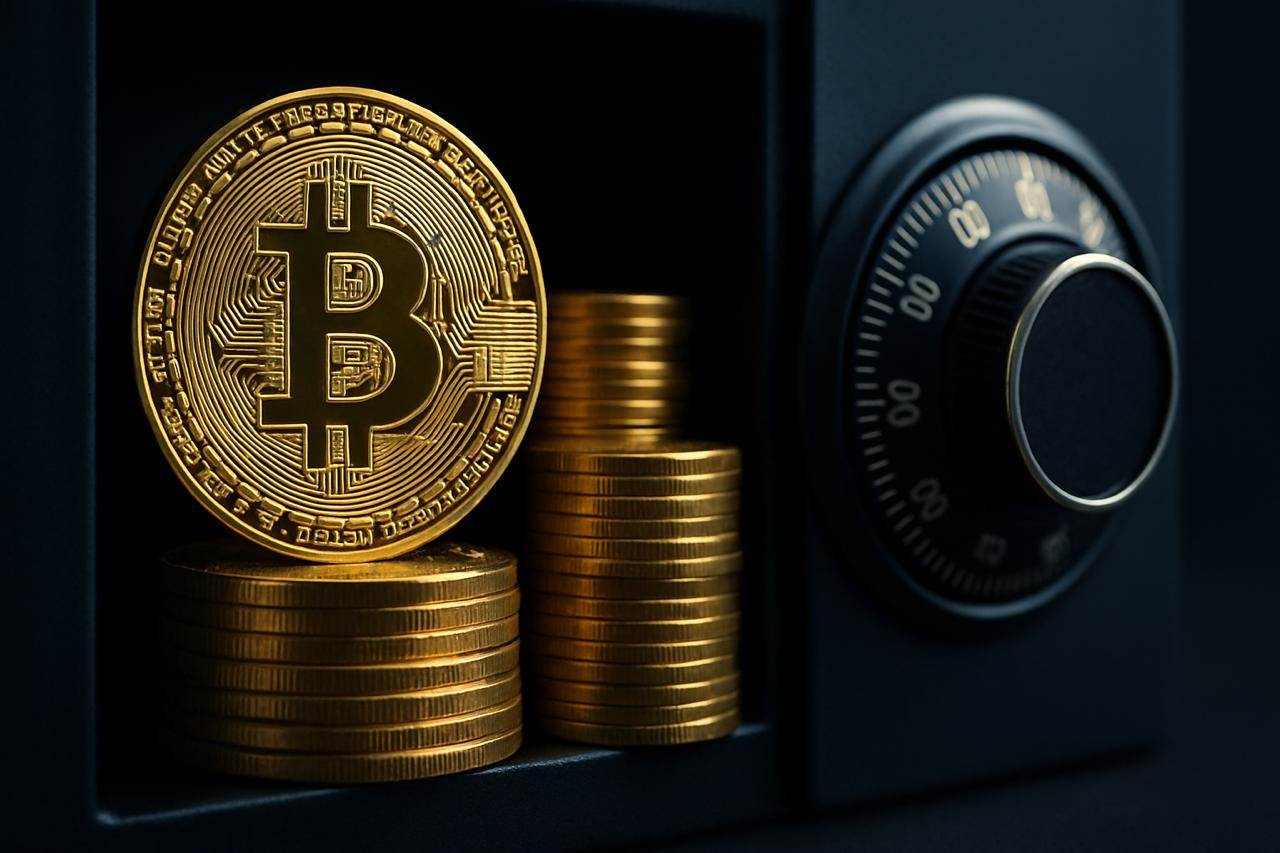
A British investor successfully recovered 61 bitcoins worth approximately 3.3 million pounds (approximately US$4.5 million) after losing access to cryptocurrency for more than 12 years. The result came after he proved ownership of funds held through the defunct exchange Intersango. The investment, which was originally worth about £ 1,500, has now increased to about £ 3.3 million.
The legal team and chain of evidence
CEL law firm said they have identified more than 5,500 bitcoins that may be linked to former Intersango customers. However, claimants must provide historical bank statements, emails or exchange records to prove their personal ownership rights to Bitcoin. Currently, the law firm has not publicly disclosed the identified wallet address or the complete recovery method.
The investor, known simply as "Chris", spent approximately £ 1,500 (approximately US$2,000 at the time) on Bitcoin through the British early exchange Britcoin in December 2011. According to the law firm handling the case, Bitcoin was trading for less than $4 at the time. Britcoin later changed its name to Intersango and stopped trading services before disappearing from the Internet.
Chris said his position was worth about £ 4,000 when he lost access. Because he had a young family and a new house at the time, this seemingly huge loss was particularly difficult for him. "The worst thing is watching Bitcoin rise and knowing what you could have done with the money," Chris said as he reviewed the recovery process.
Combining technical tracing with traditional evidence
CEL Law Firm stated that they successfully recovered assets by combining cryptocurrency tracing technology with a file showing Chris purchasing Bitcoin. The law firm publicly announced that the case took about four months to complete and did not involve intervention from law enforcement agencies.
Ryan Sweetnam, director of financial litigation at CEL, pointed out that the evidence includes bank documents dating back almost 15 years. Other useful records include exchange emails, account registration messages, deposit confirmation letters, and customer support communications. Although blockchain records can identify transactions between cryptocurrency addresses, they do not contain the customer's legal name. The transaction records showing Bitcoin entering the exchange wallet alone cannot establish which customer has the corresponding account balance.
Therefore, investigators need to link on-chain transfers with off-chain evidence. Bank statements may show payments to exchanges, while emails may establish the identity and transaction history of the account holder. CEL did not disclose all the documents used in Chris's case, nor did it release court decisions, settlement agreements or detailed tracking reports. Therefore, this result should be regarded as a recovery case reported by the law firm rather than as an independently confirmed case through public court records.
The Rise and Fall of Intersango and Custody Risks
Britcoin was one of the first platforms to allow customers to trade bitcoin in British pounds. It was later renamed Intersango and expanded its services at a time when the cryptocurrency market was small and loosely regulated. According to reports, Intersango announced in October 2012 that it would stop trading in U.S. dollars, and its broader services also ceased operations. The platform website went offline in early 2014.
When the exchange was operating, modern cryptocurrency custody standards were not yet universally available. Customers often leave assets in wallets controlled by exchanges, lacking the detailed statements, segregated custody arrangements or recovery procedures expected by regulated financial institutions. This means users rely on exchanges to maintain wallet access and accurate internal account records. When early platforms disappeared, customers might have retained evidence of deposit, but did not have control of the corresponding Bitcoin private key.
Chris's case involved entrusted access rights, not forgotten personal mnemonics. According to reports, he purchased Bitcoin through an exchange and later lost access due to the platform shutdown. Lawyers therefore need to establish an ownership claim rather than reconstruct the lost private key. This distinction is crucial: no tracking company can derive private keys from public Bitcoin addresses, nor can it reverse correctly confirmed transactions. Legal asset recovery typically requires the cooperation of a custodian, exchange account, identifiable counterparty or person in control of the underlying asset.
Potentially large related assets
CEL said its subsidiary The Crypto Tracing Experts has identified a wallet containing more than 5,500 bitcoins, which they believe is related to former Intersango users. At US$76,500 each, the value of 5,500 bitcoins is approximately US$420.75 million; if the market price is higher, the valuation could exceed US$430 million.
It should be noted that this does not mean that CEL has recouped its $421 million pool of funds available for allocation. It only represents a balance that may contain bitcoins associated with previous users. The law firm has not released the wallet address, making it impossible for independent analysts to confirm its current balance, check its full trading history or verify its alleged connection to Intersango. In addition, it is unclear who controls the wallet's private key. Identifying an address through blockchain analysis does not mean that its funds can be transferred.
CEL has not disclosed how many former Intersango users may have valid claims. The total may also include assets belonging to the exchange operator, users who later withdrew funds, or parties not associated with outstanding balances on the platform. Any former user seeking to restore funds will need to prove personal ownership. It is not enough to prove that someone opened an Intersango account; claimants also need to show deposits, purchases and the balance that remained on the platform at the end of the visit.
The age of the record may be the biggest obstacle. Banks, email providers and customers may no longer retain documents dating back to 2011 or 2012. The account holder may also change his name, address or financial institution. The firm's statement that other clients can also recover funds has not yet been publicly tested. The next piece of solid evidence will be another completed recovery case, disclosure of wallet addresses or release of court documents supporting ownership and control.
Implications for investors
This case illustrates the importance of custody records. Bitcoin's blockchain keeps transaction records indefinitely. Even if the company that operated the original exchange has disappeared, investigators can still check transfers made more than a decade ago. However, blockchain transparency only solves part of the problem. Claimants still need traditional documents to link their identity to relevant transactions and exchange accounts.
This case clarifies the difference between "tracing" and "recovery". Tracking is designed to identify where cryptocurrencies are going; recovery requires technical access, voluntary cooperation, legal settlement, bankruptcy distribution, or an enforceable court order. Investors should be cautious when handling services that promise to recover lost cryptocurrencies. Legitimate investigators cannot guarantee the recovery of assets in wallets of unknown or uncooperative owners. Recovery companies also do not require customer mnemonics to analyze public blockchain transactions. Requests for private keys or recover phrases may expose users to further losses.
Self-custody eliminates the reliance on the exchange for current positions, but makes the owner responsible for protecting the key. Multi-signature arrangements can reduce reliance on a single certificate by requiring multiple approvals.
Chris said he plans to use some of the restored value to help his family, including buying a larger home and helping his son pay off his housing debt. He also plans to keep some bitcoins. "I want to keep some bitcoins and see if the value goes up again," he said. He added that falling prices and theft remained concerns. Future value growth remains uncertain.
Currently, the deadline for former Intersango users to submit records has not been announced. The 5,500 bitcoins CEL claims to have tracked have also not announced a timetable for allocation. For now, the 61 completed Bitcoin recovery cases prove that some old custody claims can be resolved when transaction data and ownership records survive. But that doesn't mean that all former Intersango customers will be able to recoup their positions.