Exchange Ranking
 Top Exchanges
 24h Volume Ranking
 Popularity Ranking
 Exchange BTC Balance
 Proof of Reserves
 Decentralized Exchanges
 Funding Rate
 Funding Heatmap
 Liquidation Data
 Max Pain
 Long/Short Ratio
 Whale L/S Ratio
 Binance/Okex/Huobi L/S
 Bitfinex Margin L/S
 ETF Tracker
 Solana ETF
 XRP ETF
 Hong Kong ETF
 Bitcoin Treasuries
 Crypto Reversal
 Ethereum Reserves
 HyperLiquid Wallet Analysis
 Hyperliquid Whale Watch
 Large Transactions
 On-chain Movement
 Bitcoin ROI
 Stablecoin Market Cap
 Options Analysis
 News
 Articles
 Economic Calendar
 Features
 Wallet
 Contract Calculator


 Security
 Collections
 Watchlist
 Following
 ZEC
Core Points
The Zcash development team plans to launch a post-quantum signature tool in January. The work focuses on transparent addresses and public payments. Using a completely new address reduces duplicate exposure of the public key. The private wallet query feature is designed to prevent connections between addresses.
January Goals: Focus on transparency ZEC
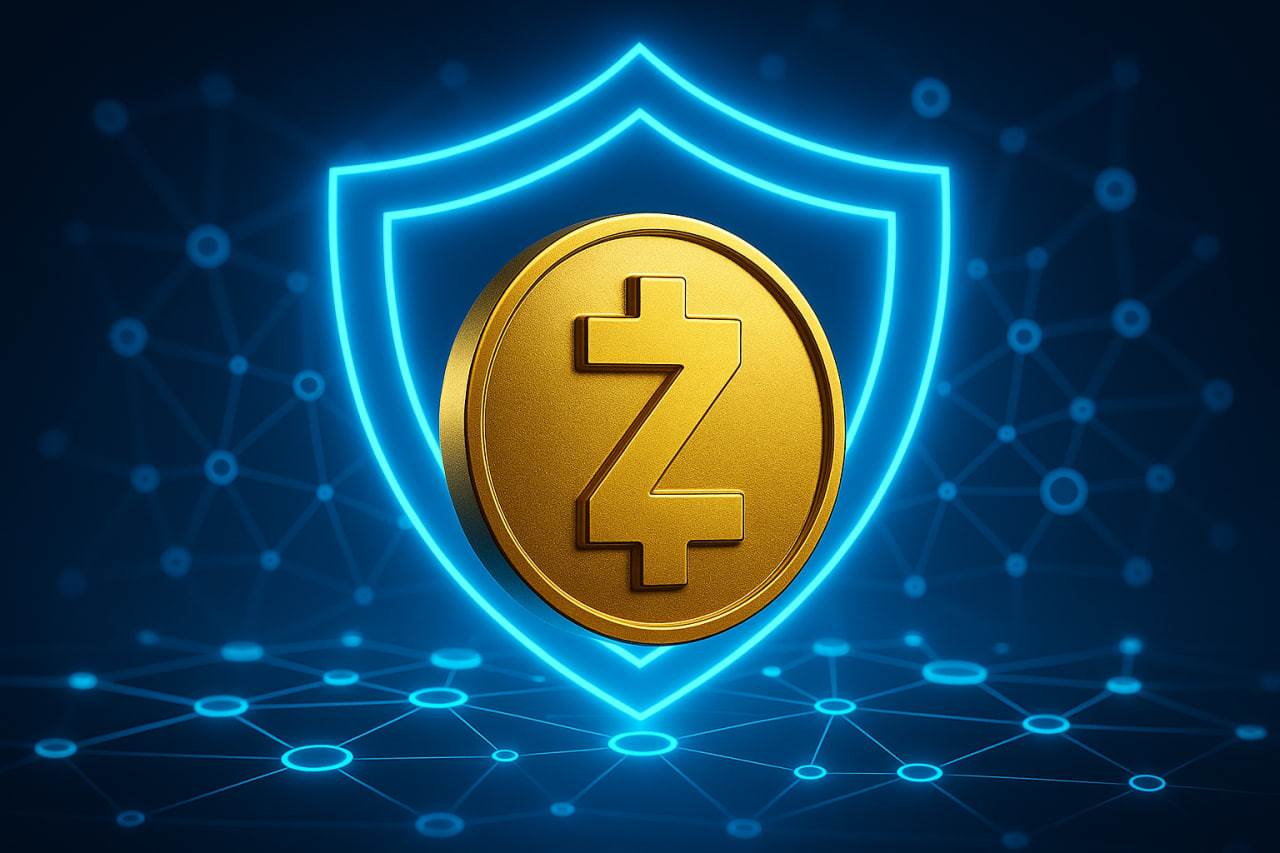
Zakura, the team responsible for developing Zcash infrastructure, said they plan to deploy opcodes for post-quantum signatures in January. The core of the proposal is transparent payments, where addresses, amounts and transaction history remain visible on the blockchain, which is where most circulating ZECs are currently.
A new engineering post describes a wallet design that combines these signatures with rotating transparent addresses and private information retrieval (PIR). This component not only addresses future encryption risks, but also addresses privacy weaknesses that can arise when wallets start using large numbers of new addresses.
Transparent Zcash addresses initially contain a hash value of a public key. When disbursement is made at that address, the public key itself appears so that the network can verify the payment signature. If future technology makes it possible to recover private keys from public keys, any funds left at the same address or later sent to that address could be at greater risk of exposure.
New address isolates subsequent funds behind new key
The address rotation mechanism provides wallets with a way to reduce this duplicate exposure. After spending is completed at an address, the wallet can transfer its remaining balance to the newly derived address. This new address is associated with a different public key, and although its hash value remains visible, the public key itself is not disclosed.
This method does not require users to open a new wallet or record another mnemonic after each payment. Standard wallet seeds can derive a series of independent address and key pairs, allowing software to create new receive and change addresses from an existing backup.
This separation also relies on the extended public key and viewing information that protects the wallet. These records may reveal more information about the wallet address structure than ordinary transactions, undermining the advantage of maintaining the independence of each public key.
Wallet queries may reveal associations not shown on blockchain
Generating new addresses raises a practical problem: wallets still need to find inbound payments, track funds spent, and rebuild historical records after recovery. An ordinary lightweight wallet might request activity from the server related to address A, then B, then C.
These addresses may seem unrelated on the blockchain, but the server can see requests from the same wallet. Therefore, even if the public ledger itself does not provide such a link, the server can connect these addresses.
Zakura proposed using PIR to avoid such leaks. The wallet can retrieve the required records from the server without revealing which record it selected. It can also download compact public activity filters, check locally for possible matches, and issue private requests only when a certain chunk range may contain relevant history.
Summary of key mechanisms
- New address: Place subsequent funds behind public keys that have not yet been revealed by early expenditures.
- Hash-based signatures: Create a proposed post-quantum path for authorizing transparent payments.
- Private information retrieval: Enables the wallet to search its history without identifying its address to the server.
Transparent payment data will remain public on the Zcash blockchain. PIR reduces the amount of additional information exposed when wallets ask services to monitor multiple addresses, thereby retaining the original purpose of address rotation.
The proposal addresses long-term risks rather than current emergencies
The design is consistent with concerns raised by Europol's warning about exposing wallet keys. A future attacker with sufficient capabilities could target public keys that already appear on the chain, making old address reuse habits less secure than they are today.
Neither Europol nor Zakura said that there is currently a feasible means of quantum attack. The challenge is to prepare wallet software, infrastructure providers and users before cryptographic migration becomes urgent.
Part that remains unchanged
Transaction details remain public on the chain. Privacy still depends on the behavior of users and the services they connect to. This announcement does not involve ZEC exchanges, wallet migrations or new mnemonics.
Private queries arrive before signature targets
Zakura said that the PIR component will be implemented first in its Vizor wallet. Users can test experimental features by enabling "Private Query" in their wallet settings, which allows the team to evaluate the effectiveness of private history searches before broader signature changes come along.
The January milestone involved post-quantum signature opcodes for transparent cells. Wallets and services will still need to support the updated payment process, so that date is a development goal rather than a promise to ensure that all transparent Zcash wallets will be protected simultaneously.
Zcash is preparing the wallet layer in advance
The practicality of this plan lies in combining stronger payment authorization with wallet infrastructure for private use. New addresses can reduce future public key exposure, and PIR can prevent the resulting set of addresses from becoming an easy-to-read map of individual user funds.
That's exactly the practical goal of Zcash's January work: to prepare transparent wallets for future encryption threats without creating new privacy issues.
This article is for reference only and does not constitute investment, securities or technical advice. One month is the development goal and may change as the work progresses.