Exchange Ranking
 Top Exchanges
 24h Volume Ranking
 Popularity Ranking
 Exchange BTC Balance
 Proof of Reserves
 Decentralized Exchanges
 Funding Rate
 Funding Heatmap
 Liquidation Data
 Max Pain
 Long/Short Ratio
 Whale L/S Ratio
 Binance/Okex/Huobi L/S
 Bitfinex Margin L/S
 ETF Tracker
 Solana ETF
 XRP ETF
 Hong Kong ETF
 Bitcoin Treasuries
 Crypto Reversal
 Ethereum Reserves
 HyperLiquid Wallet Analysis
 Hyperliquid Whale Watch
 Large Transactions
 On-chain Movement
 Bitcoin ROI
 Stablecoin Market Cap
 Options Analysis
 News
News Articles
 Economic Calendar
 Features
 Wallet
 Contract Calculator


 Security
 Collections
 Watchlist
 Following
 BTC
BTC  XRP
XRP El Salvador's Bitcoin Reserve Mystery Draws Concern: IMF confirms that public funds have not been used
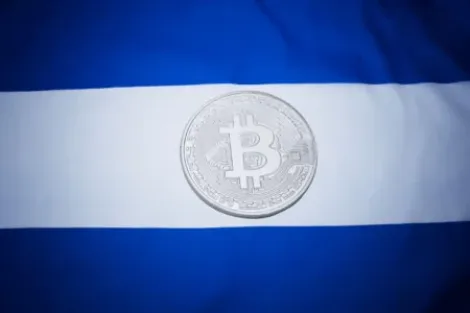
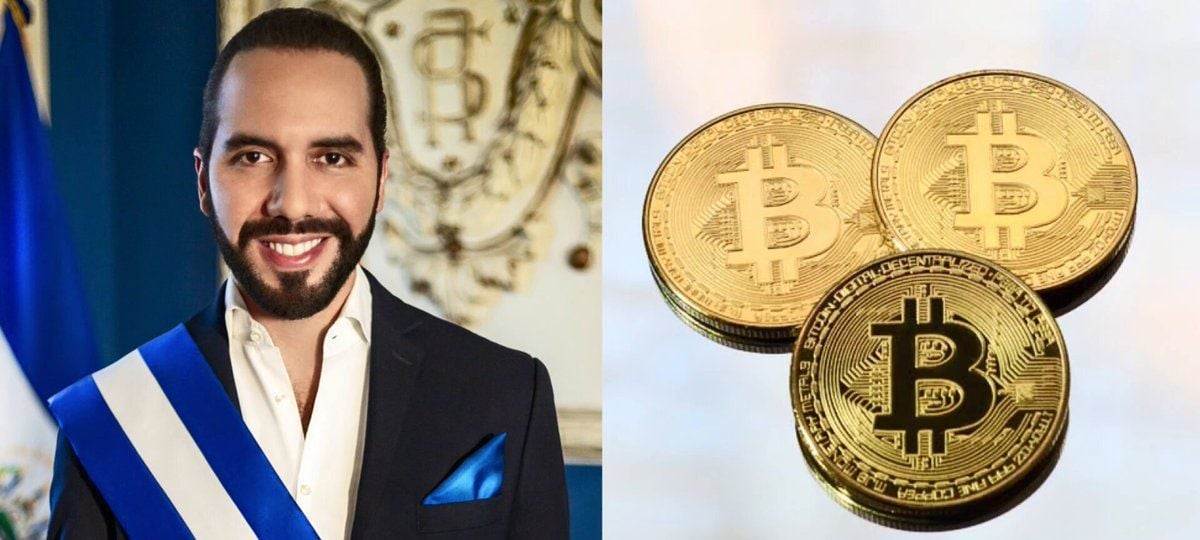
As the International Monetary Fund (IMF) confirms that El Salvador's recent accumulation of Bitcoin reserves are not supported by public funds, an extraordinary mystery surrounding the country's Bitcoin reserves has attracted widespread attention in the crypto circle. The disclosure was highlighted on Friday by XRP researcher BankXRP, who highlighted the biggest unsolved mystery left by the IMF statement: Who exactly donated these bitcoins?
The IMF said in a statement on September 3 that Salvadoran authorities provided documents proving that the bitcoins accumulated since the fund's first project review came from private donations rather than government resources. However, the IMF has not publicly disclosed the identities of these private donors.
The IMF finally explains that the distinction between El Salvador's growing Bitcoin reserves
is crucial because its Bitcoin holdings continue to increase despite El Salvador's commitments in its $1.4 billion Extended Financing Arrangement (EFF) with it. The project was approved in February 2025, and the first review ended on June 27, 2025. Since then, questions have been raised about how El Salvador continues to report increases in its strategic Bitcoin reserves while complying with restrictions on public sector Bitcoin accumulation.
It seems that the IMF has resolved this contradiction. "Documentation provided" confirms that this accumulation reflects private contributions, while IMF confirms that no public resources are used. It also added that no further bitcoin accumulation is expected beyond the recorded donations.
Who donated Bitcoin?
This answer raises another question. Neither the IMF statement nor the accompanying materials mentioned the individuals, companies or organizations behind the donations. BankXRP seized on the missing link in a post on Platform X, asking who provided Bitcoin after the IMF effectively excluded taxpayer funding.
There is currently no verified evidence linking Ripple, XRP or any specific cryptocurrency company to donations. Naming potential donors without documentary support would be speculation. What is confirmed is that the IMF reviewed enough documents to accept these explanations as part of its second and third consolidated project reviews.
Bitcoin accumulation in El Salvador
- Public funds: None
- Private donations: Verified by IMF
- Donor identity: Unpublicly disclosed
This Bitcoin disclosure is accompanied by a broader reorganization of El Salvador's crypto business. Public participation in Chivo Wallet has been largely lifted, and most ownership and operational control have been transferred to private operators. The government retains minority interests and custody responsibilities for client assets.
The IMF and Salvadoran authorities also agreed to strengthen the country's legal, regulatory and supervisory framework for digital assets and increase transparency in government crypto asset holdings.
At the same time, if the agreement is approved by the IMF's executive board and the required pre-actions are completed, the staff-level agreement could unlock an additional approximately $140 million in funding for El Salvador.
As a result, the IMF seems satisfied with the "non-source" of its funding. Crypto observers are now focusing on the unsolved mystery left by the statement: Who exactly donated Bitcoin to El Salvador?