Exchange Ranking
 Top Exchanges
 24h Volume Ranking
 Popularity Ranking
 Exchange BTC Balance
 Proof of Reserves
 Decentralized Exchanges
 Funding Rate
 Funding Heatmap
 Liquidation Data
 Max Pain
 Long/Short Ratio
 Whale L/S Ratio
 Binance/Okex/Huobi L/S
 Bitfinex Margin L/S
 ETF Tracker
 Solana ETF
 XRP ETF
 Hong Kong ETF
 Bitcoin Treasuries
 Crypto Reversal
 Ethereum Reserves
 HyperLiquid Wallet Analysis
 Hyperliquid Whale Watch
 Large Transactions
 On-chain Movement
 Bitcoin ROI
 Stablecoin Market Cap
 Options Analysis
 News
News Articles
 Economic Calendar
 Features
 Wallet
 Contract Calculator


 Security
 Collections
 Watchlist
 Following
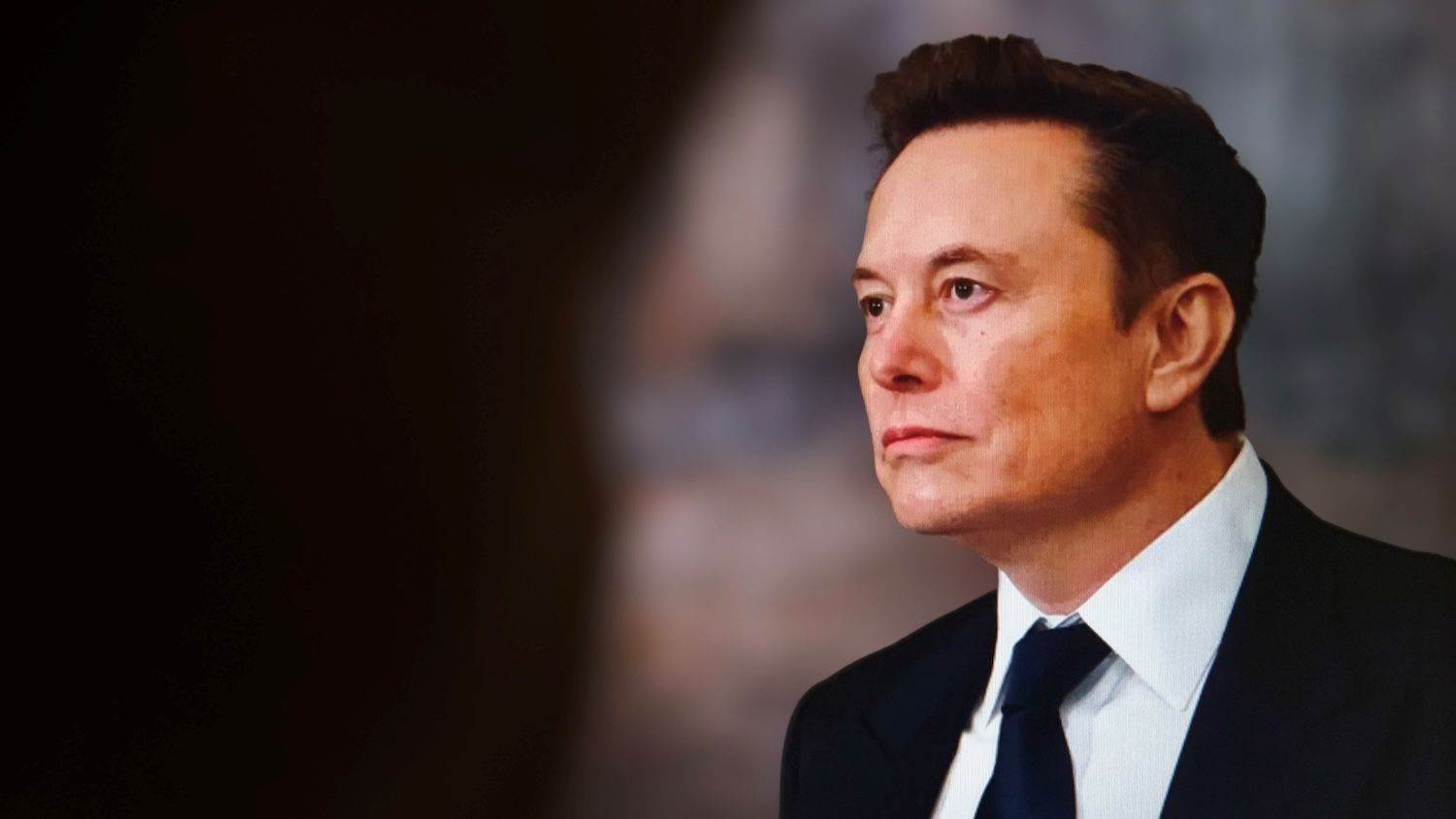
Musk responds to Sanders 'criticism of his wealth concentration: Assets are mainly stocks rather than cash
Elon Musk defended his net worth of approximately $908 billion after Bernie Sanders criticized his wealth concentration. Musk emphasized that most of his wealth consists of company equity rather than cash reserves.
Core Points
Musk said: His wealth is mainly concentrated in Tesla and SpaceX stocks rather than large cash reserves.
Sanders pointed out: Musk's personal wealth exceeds the combined wealth of the bottom 50% of households in the United States.
Forbes estimates: After experiencing sharp fluctuations since June, Musk's net assets were valued at approximately US$908 billion as of early September.
Musk and Sanders clash
Sanders once again criticized the gap between rich and poor in the United States, pointing out that Musk's wealth alone has exceeded the total wealth of the bottom half of the United States. In response, Musk posted a post on social platform X on September 5, saying: "I own shares of SpaceX and Tesla, not mountains of cash." He added that when company value grows, shareholders, including pension funds, benefit from it.
The core of this debate lies not only on the scale of wealth, but also on the differences in understanding the definition of "wealth" between the two sides. Sanders will continue to advocate higher taxes on large artificial intelligence companies in 2026 to fund the proposed $7 trillion in public funds, while Musk focuses on distinguishing between market valuations and disposable cash.
SpaceX Valuation and Wealth Volatility
According to Forbes, as of September 6, Musk's wealth was valued at approximately US$908 billion, much lower than the peak of approximately US$1.1 trillion reported in June. Previously, his wealth fell below $700 billion in July, before recovering as Tesla and SpaceX shares rebounded in August. This sharp volatility is the key to Musk's defense logic.
Since its listing on Nasdaq in June, SpaceX has traded under the ticker symbol SPCX at an issue price of $135 per share; Tesla remains another pillar of Musk's wealth. Therefore, even if Musk does not sell stocks or collect cash, revenue expectations, delivery data, and daily stock price movements will still cause significant changes in his estimated wealth.
This distinction does not fully respond to Sanders 'broad argument about wealth concentration, because publicly traded shares still represent assets with huge market value. Musk briefly became the world's first trillionaire in June, then fell below the $700 billion mark in July, and returned to a valuation of about $908 billion in early September as Tesla and SpaceX rebounded. level. It is against the backdrop of this rapid reversal that the current controversy is unfolding.