Exchange Ranking
 Top Exchanges
 24h Volume Ranking
 Popularity Ranking
 Exchange BTC Balance
 Proof of Reserves
 Decentralized Exchanges
 Funding Rate
 Funding Heatmap
 Liquidation Data
 Max Pain
 Long/Short Ratio
 Whale L/S Ratio
 Binance/Okex/Huobi L/S
 Bitfinex Margin L/S
 ETF Tracker
 Solana ETF
 XRP ETF
 Hong Kong ETF
 Bitcoin Treasuries
 Crypto Reversal
 Ethereum Reserves
 HyperLiquid Wallet Analysis
 Hyperliquid Whale Watch
 Large Transactions
 On-chain Movement
 Bitcoin ROI
 Stablecoin Market Cap
 Options Analysis
 News
News Articles
 Economic Calendar
 Features
 Wallet
 Contract Calculator


 Security
 Collections
 Watchlist
 Following
 SOL
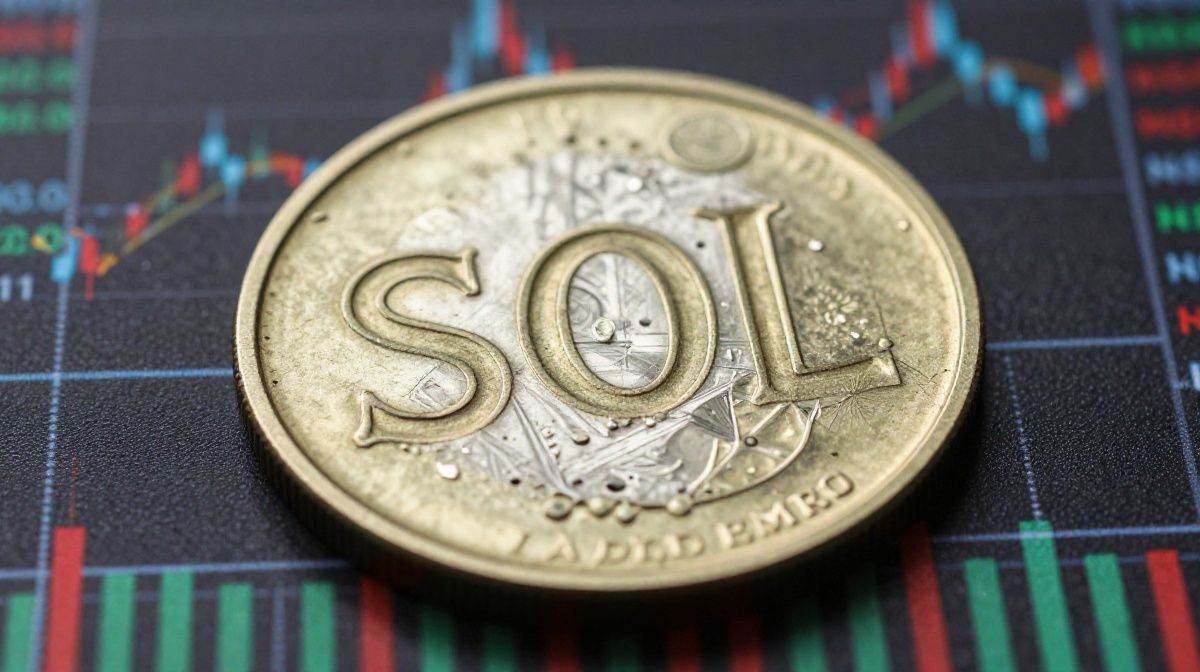
SOL SOL prices may benefit from the biggest supply-side changes Solana has considered in years
Two governance proposals-SIMD-550 and SIMD-553-are being advanced in the Solana ecosystem with the same goal: reducing the amount of SOL entering circulation. If these proposals implement as expected, they will remove approximately $1.4 billion to $1.5 billion worth of projected SOL issuance over the next six years. This naturally attracted investors 'attention: Will a tighter supply model help SOL prices in the long run?
Solana wants to accelerate inflation reduction
The first proposal SIMD-550 focuses on Solana's inflation timetable. The proposal would double Solana's annual deflation rate from 15% to 30%, which would accelerate the timeline of reaching the network's final inflation rate of 1.5%.
BSCN reported that 21Shares estimates show that Solana may reach this goal in the first half of 2029, rather than the original 2032. This means moving forward the path of reducing inflation by years.
For supporters of the proposal, the voting progress is also encouraging. Data shared by SolanaFloor showed that the participation rate had reached 33.84%, and enough support had been received to reach a quorum before the vote closed.
If the proposal is passed, the SIMD-550 is expected to reduce future issuance of SOLs by approximately 18.9 million, equivalent to approximately US$1.47 billion at current valuations. This means that the millions of SOLs that should have entered circulation over the next six years may never be created. For SOL prices, this translates into reduced supply in the future and reduced pressure to compete with market demand.
Daily SOL burning may increase significantly
The second proposal SIMD-553 focuses on burning more SOL. According to Wu Blockchain, the proposal introduces a fee mechanism to calculate resource consumption based on online financial transactions. The more network resources the activity consumes, the more SOL there is to burn.
That's where numbers get interesting. Currently, Solana burns approximately 600 to 800 SOL per day. But once the new system is fully implemented, 21Shares estimates that daily burning could jump to 7500 to 9000 SOLs.
This means that the number of tokens removed from circulation will increase more than tenfold each day. Such supply cuts usually attract market attention. SIMD-553 was approved and merged on July 20, passing an important milestone and bringing the proposal closer to the token economics that affects Solana.
What does this mean for Solana?
The reason why investors are concerned is simple. The SIMD-550 reduces the speed at which new SOLs are created, and the SIMD-553 increases the speed at which SOLs are destroyed. The two proposals work together to reduce net supply growth.
If online activity remains healthy and burn rates reach expected levels, Solana could become one of the most aggressive supply cuts among the major cryptocurrencies. Of course, supply is only one side of the equation. Demand remains important, and SOL prices will continue to depend on network usage, developer activity and broader market conditions. Still, the numbers involved are difficult to ignore. An expected decline in issuance of US$1.4 billion to US$1.5 billion over the next six years will materially change Solana's supply prospects.
Currently, SOL prices are providing investors with new points of observation. The market is no longer just focusing on adoption and network growth, but also focusing on how much SOL may never enter circulation.
FAQs
What are SIMD-550 and SIMD-553?
SIMD-550 and SIMD-553 are Solana's governance proposals aimed at reducing SOL supply growth. The SIMD-550 will accelerate Solana's inflation-reduction schedule, while the SIMD-553 introduces new burning mechanisms related to computing resource consumption.
How does SIMD-550 affect SOL prices?
SIMD-550 doubled Solana's annual deflation rate from 15% to 30%, reducing the expected SOL circulation by approximately 18.9 million units over the next six years. Lower circulation means fewer new SOLs enter circulation.