
 Exchange Ranking
 Top Exchanges
 24h Volume Ranking
 Popularity Ranking
 Exchange BTC Balance
 Proof of Reserves
 Decentralized Exchanges
 Funding Rate
 Funding Heatmap
 Liquidation Data
 Max Pain
 Long/Short Ratio
 Whale L/S Ratio
 Binance/Okex/Huobi L/S
 Bitfinex Margin L/S
 ETF Tracker
 Solana ETF
 XRP ETF
 Hong Kong ETF
 Bitcoin Treasuries
 Crypto Reversal
 Ethereum Reserves
 HyperLiquid Wallet Analysis
 Hyperliquid Whale Watch
 Large Transactions
 On-chain Movement
 Bitcoin ROI
 Stablecoin Market Cap
 Options Analysis
 News
News Articles
 Economic Calendar
 Features
 Wallet
 Contract Calculator


 Security
 Collections
 Watchlist
 Following
 XRP
XRP Ripple Product Leader: Institutional credit will become a key use case to expand the utility of XRP finance.
Jazzi Cooper, Product Leader at Ripple, pointed out that institutional credit is the main application scenario that can significantly expand the utility of XRP finance. At present, on-chain finance has attracted widespread attention, but in the blockchain market, the use of institutional credit is still insufficient.
Cooper emphasized that the lending infrastructure of the XRP Ledger (XRPL) provides a solid foundation for connecting institutional borrowers with liquidity. Specifically, the proposed amendments to XLS-65 and XLS-66 are expected to establish a framework for structured lending activities on the XRPL.
XLS-65 and XLS-66: Building a New Paradigm for Institutional Lending
XLS-65 introduces the concept of "Single Asset Vaults", allowing multiple depositors to combine assets in one custody pool. These vaults can provide lending liquidity while maintaining records of deposits, withdrawals and available funds.
XLS-66 introduces an on-chain agreement to support unsecured loans funded through a single-asset treasury. Eligible borrowers can obtain financing without locking in assets equal to the value of the loan.
Although there is structural support for unsecured lending, the credit evaluation mechanism will remain. An external underwriter will evaluate the borrower, determine loan terms and manage risk, and then approve the loan. As a result, XRP will be able to support institutional financing based on recognized credit qualifications rather than fully collateralized crypto asset positions. Cooper describes this opportunity as a "killer use case" because the current blockchain credit market is still largely undeveloped.
Upgrade and strengthen infrastructure to promote institutional adoption
Developers plan to release version 1.1 of the loan agreement through XRPL 3.4.0 software version. The revision includes improvements and fixes aimed at strengthening the original lending proposal. In addition, developers expect that lending agreements and treasury frameworks will receive regular technical upgrades, and their functionality may expand further as institutions discover new operational, compliance and risk management needs.
These two amendments are still under consideration by verifiers and require sufficient support before network activation. Their approval will determine whether XRPL can provide native infrastructure for institutional credit arrangements.
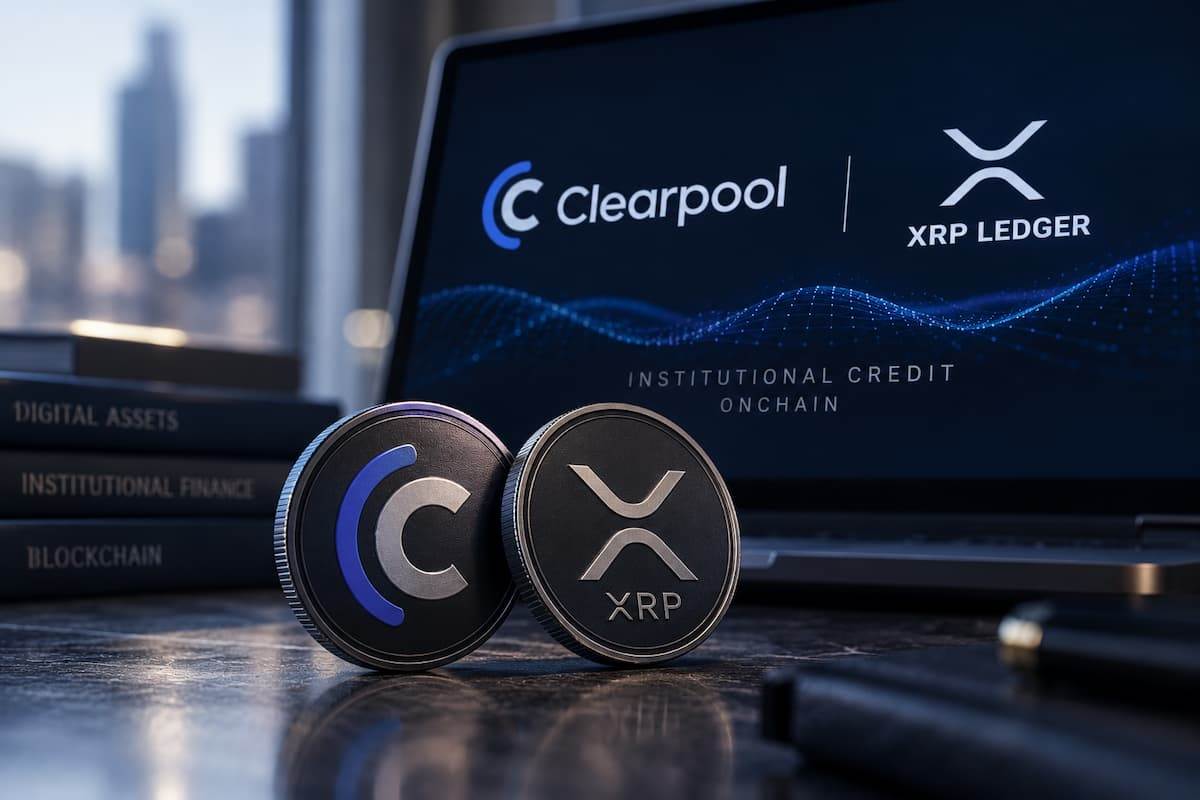
Ripple has also formed partnerships to support this strategy. Ripple joined Cicada Partners and Clearpool to bring institutional lending services to XRPL. The partnership combines Ripple's infrastructure, Clearpool's lending experience and Cicada Partners 'credit market expertise. This arrangement helps institutions access the blockchain settlement network while retaining established underwriting controls.
However, adoption rates will depend on validator approval, reliable infrastructure, regulatory compliance and effective borrower evaluation. Eventually, institutional credit may extend the usefulness of XRP beyond payments and liquidity transfers into broader areas.



















![[Crypto News] The third phase of apeing is about to be sold out, and strong pre-sales have made it o](/d/file/20260913/1f7cdbdbaf6a11f194ecb80d425f811e.jpg)


