Exchange Ranking
 Top Exchanges
 24h Volume Ranking
 Popularity Ranking
 Exchange BTC Balance
 Proof of Reserves
 Decentralized Exchanges
 Funding Rate
 Funding Heatmap
 Liquidation Data
 Max Pain
 Long/Short Ratio
 Whale L/S Ratio
 Binance/Okex/Huobi L/S
 Bitfinex Margin L/S
 ETF Tracker
 Solana ETF
 XRP ETF
 Hong Kong ETF
 Bitcoin Treasuries
 Crypto Reversal
 Ethereum Reserves
 HyperLiquid Wallet Analysis
 Hyperliquid Whale Watch
 Large Transactions
 On-chain Movement
 Bitcoin ROI
 Stablecoin Market Cap
 Options Analysis
 News
News Articles
 Economic Calendar
 Features
 Wallet
 Contract Calculator


 Security
 Collections
 Watchlist
 Following
 HYPE
HYPE  SOL
SOL  SUI
SUI  XRP
XRP  ZEC
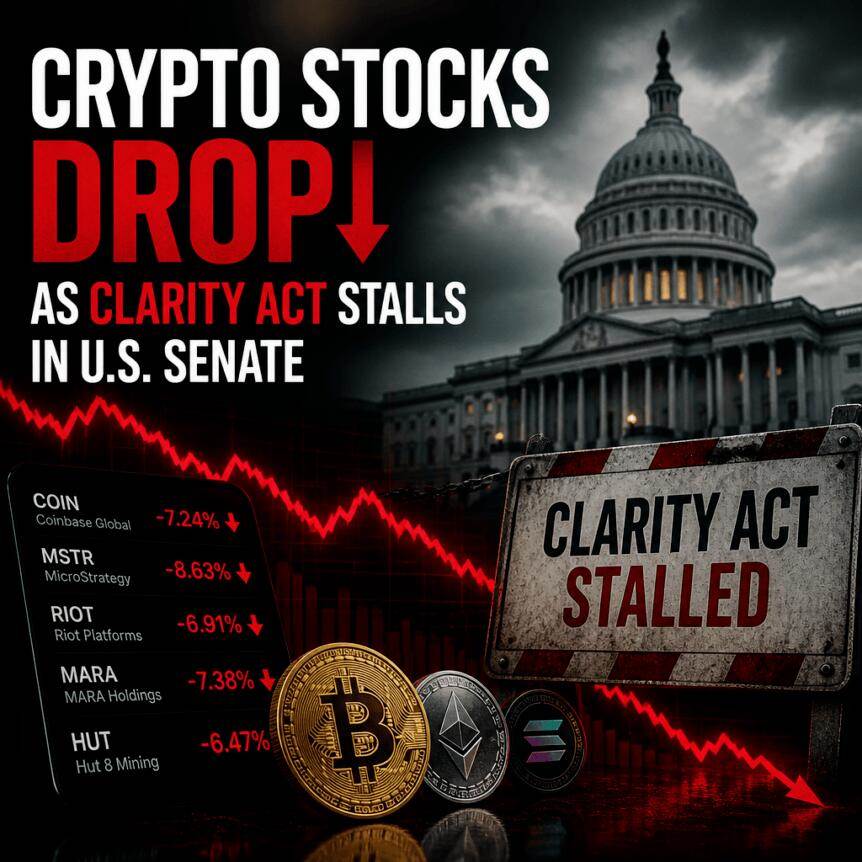
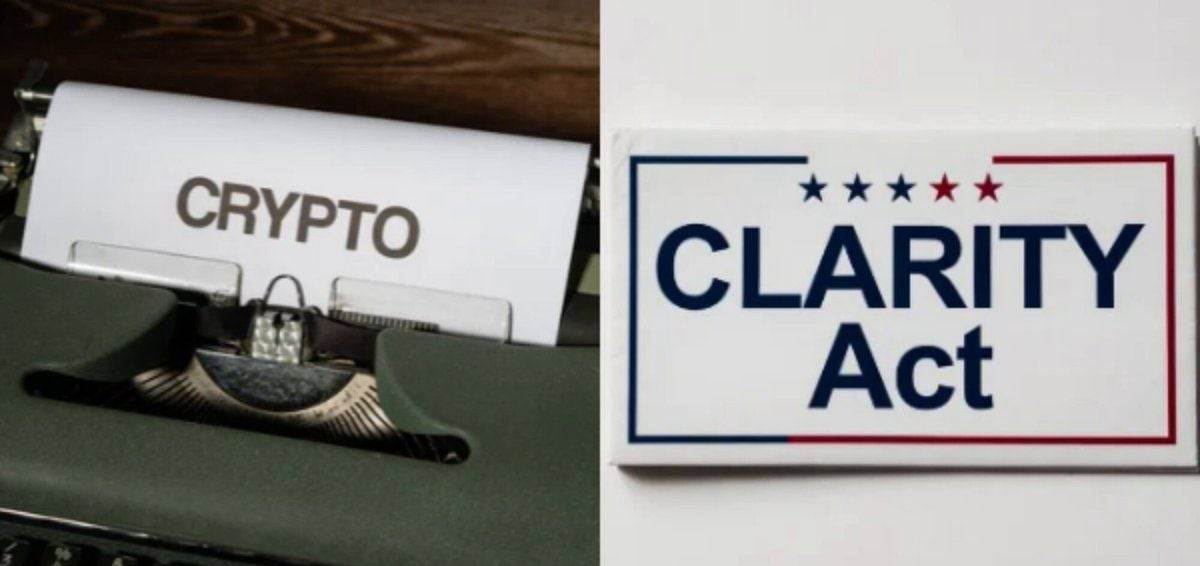
ZEC The CLARITY Act was not passed by the Senate, and the path of crypto regulation turned to the SEC.
The CLARITY Act failed to advance due to its failure to meet the Senate threshold of 60 votes. At the same time, the U.S. Securities and Exchange Commission (SEC) has adopted its "Regulate Crypto-Assets" proposal to separately advance the formulation of crypto-rules. In this context, assets such as SOL, XRP, HYPE, ZEC and SUI remain exposed to broader market conditions and regulatory developments.
The U.S. Senate's failure to advance the CLARITY Act has brought crypto regulation back into focus, and the SEC has launched another regulatory path. Votes on the bill failed to meet the 60-vote threshold needed to advance legislation, leaving rules for a comprehensive market regulatory structure still fraught with uncertainty after months of negotiations. According to Reuters, the setback put the bill on hold while other regulators continue to make rules within their existing remit.
This setback does not mean that crypto regulation in the United States has completely stalled, as the SEC has launched its own digital asset framework. In August this year, the agency proposed a proposal to "regulate crypto assets", which included exemptions for certain crypto investment contracts and obtaining conditional safe harbor status from the definition of "investment contract." The deadline for public comments on the proposal is October 20.
This distinction is crucial for traders because the CLARITY Act and the SEC's rulemaking represent two different ways to create clearer market rules. SEC Chairman Paul Atkins said legislation remains important while the agency continues to develop rules under existing securities laws.
The current question for the crypto market is whether uncertainty surrounding Congress will trigger additional volatility, or whether investors will become increasingly concerned about changes at the institutional level. Five altcoins-including Solana, XRP, Hyperliquid, Zcash and Sui-are closely relevant to this discussion because they each represent different segments of the broader digital asset market.
Solana faces a dual test of regulation and markets
Solana remains one of the largest smart contract networks, so SOL is affected by both overall market trends and changes in U.S. digital asset policies. Its performance may continue to be influenced by factors such as liquidity, Bitcoin direction, online activity and investor demand, rather than just being determined by legislation.
XRP remains sensitive to U.S. policies
Whenever U.S. crypto regulation becomes a major market issue, XRP attracts a lot of attention. Its long-standing connection to discussions on U.S. securities law means that future regulatory definitions may have a significant impact on market sentiment surrounding the token.
However, a Senate setback will not automatically bring bullish or bearish results to XRP. Price trends will continue to depend on market conditions and developments affecting the broader digital asset sector.
HYPE代表链上交易活动
Hyperliquid的HYPE代币提供了对不断扩大的链上衍生品交易领域的敞口。该代币已被纳入芝加哥商品交易所(CME)新推出的新兴加密指数中,与XRP、SOL和SUI等资产并列,突显了其在被追踪数字资产中日益增长的地位。
ZEC和SUI带来不同的叙事
Zcash仍然与注重隐私的加密货币技术紧密相关,而Sui则代表了一个较新的智能合约生态系统,致力于争夺开发者和用户活动。
因此,它们的市场表现可能由华盛顿监管辩论之外的因素驱动。
随着《CLARITY法案》陷入僵局,交易者现在可能会更加密切关注SEC的规则制定、美联储政策、流动性以及加密领域的特定发展。监管方面的挫折改变了国会提供明确指引的时间表,但并未消除市场对其他政策发展的反应能力。