Exchange Ranking
 Top Exchanges
 24h Volume Ranking
 Popularity Ranking
 Exchange BTC Balance
 Proof of Reserves
 Decentralized Exchanges
 Funding Rate
 Funding Heatmap
 Liquidation Data
 Max Pain
 Long/Short Ratio
 Whale L/S Ratio
 Binance/Okex/Huobi L/S
 Bitfinex Margin L/S
 ETF Tracker
 Solana ETF
 XRP ETF
 Hong Kong ETF
 Bitcoin Treasuries
 Crypto Reversal
 Ethereum Reserves
 HyperLiquid Wallet Analysis
 Hyperliquid Whale Watch
 Large Transactions
 On-chain Movement
 Bitcoin ROI
 Stablecoin Market Cap
 Options Analysis
 News
News Articles
 Economic Calendar
 Features
 Wallet
 Contract Calculator


 Security
 Collections
 Watchlist
 Following
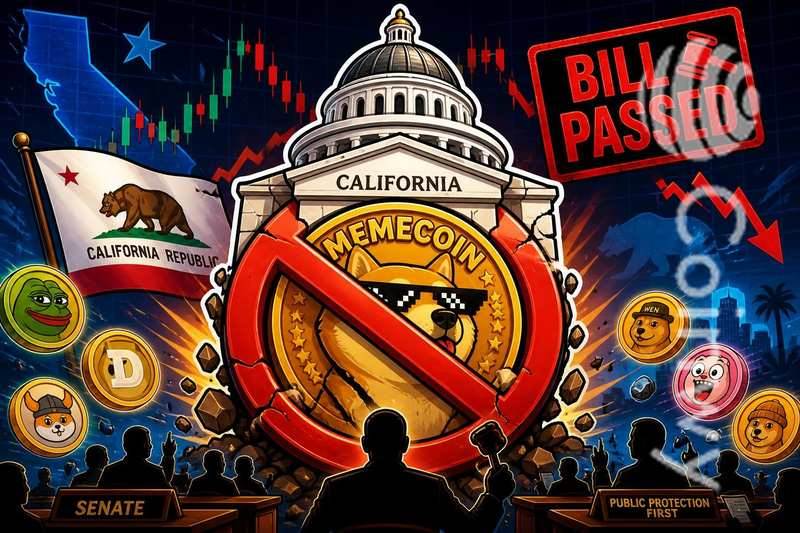
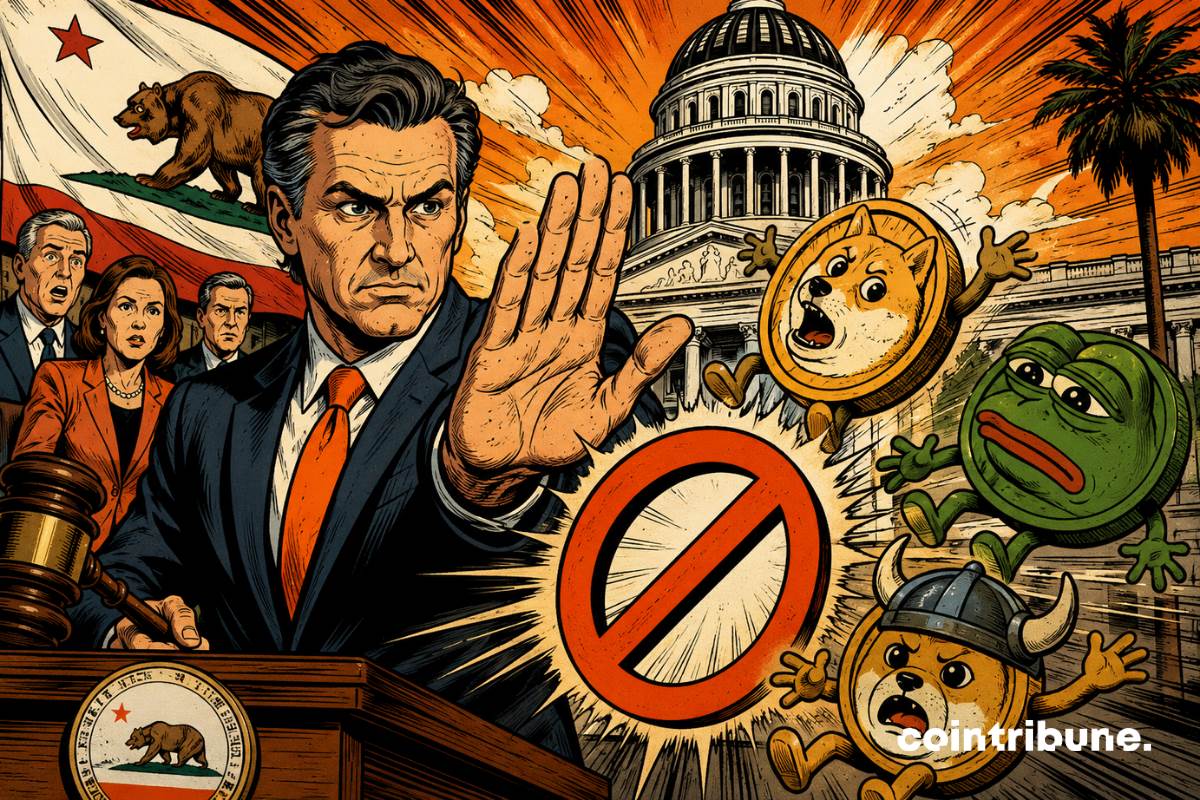
The California Senate passed a bill to ban public officials from issuing Meme coins.
The California Senate recently passed a bill to ban public officials from issuing meme coins. Proponents see it as a moral safeguard, while skeptics see the bill as narrow in scope and uncertain in actual impact.
The proposal, numbered Assembly Bill 2409 in the California Legislature, mainly targets the issuance of meme coins by people holding public office. According to relevant reports, the California Senate vote is the latest step in advancing the bill.
Core content of California Senate bill
The core of the bill is to prohibit public officials from issuing meme coins. Senate approval means that the proposal has been approved by a house within the Legislature, but has not yet become formal law. According to legislative records, the bill still needs to complete subsequent procedural steps.
According to an April 2026 statement from the office of the congressman that proposed the bill, the bill is one of several important pieces of legislation promoted by California Rep. Avelino Valencia (Democrat, Anaheim District).
Why public officials are involved in Meme coins attracts attention
The bill closely links the promotion of cryptocurrencies with public status. Meme coins issued by public officials may raise conflicts of interest and public trust issues. Proponents of stronger regulation believe that issuing tokens by current officials will create the appearance of using public office for personal gain and may even constitute substantial misconduct.
Critics often refute that meme itself is already a volatile and highly speculative asset, and banning officials from issuing such tokens will only solve a small part of the problem and cannot cover the broader area of cryptocurrency behavior. The text of the bill itself failed to quell the debate.
California has been an active area for cryptocurrency-related enforcement and rulemaking, ranging from local restrictions (such as county-level bans in other parts of the United States) to federal cases (such as the U.S. Department of Justice accusing California of using cryptocurrency to conduct dark web drug transactions). In this context, this ethics bill, which focuses on the conduct of public officials, reflects state and local continued attention to digital asset issues.
The next step
Since the Senate only passed the bill rather than signed it into effect, the proposal still needs to go through further legislative procedures before it can be formally implemented. The specific path depends on procedural coordination and the governor's actions. There is no clear conclusion yet.
For observers of cryptocurrency policy, this vote is more like a signal than the final result. Discussions around meme coins, a category that ranges from joke tokens to assets associated with large exchanges and public figures, have made the news more relevant than California politics. Although questions still exist about the scope of application and enforcement of the bill, readers who track how regulators define the boundary between encrypted participation and public responsibility now have a new reference point, but they have not yet seen a complete law implemented.