Exchange Ranking
 Top Exchanges
 24h Volume Ranking
 Popularity Ranking
 Exchange BTC Balance
 Proof of Reserves
 Decentralized Exchanges
 Funding Rate
 Funding Heatmap
 Liquidation Data
 Max Pain
 Long/Short Ratio
 Whale L/S Ratio
 Binance/Okex/Huobi L/S
 Bitfinex Margin L/S
 ETF Tracker
 Solana ETF
 XRP ETF
 Hong Kong ETF
 Bitcoin Treasuries
 Crypto Reversal
 Ethereum Reserves
 HyperLiquid Wallet Analysis
 Hyperliquid Whale Watch
 Large Transactions
 On-chain Movement
 Bitcoin ROI
 Stablecoin Market Cap
 Options Analysis
 News
News Articles
 Economic Calendar
 Features
 Wallet
 Contract Calculator


 Security
 Collections
 Watchlist
 Following
 BTC
BTC Core Points
Relevant disclosures begin after June 2025. The identity of the donor and the specific amount have not yet been disclosed. The International Monetary Fund (IMF) said that the recent increase in Bitcoin's holdings mainly comes from private donations.
The cognitive shift from "government purchases" to "private donations"
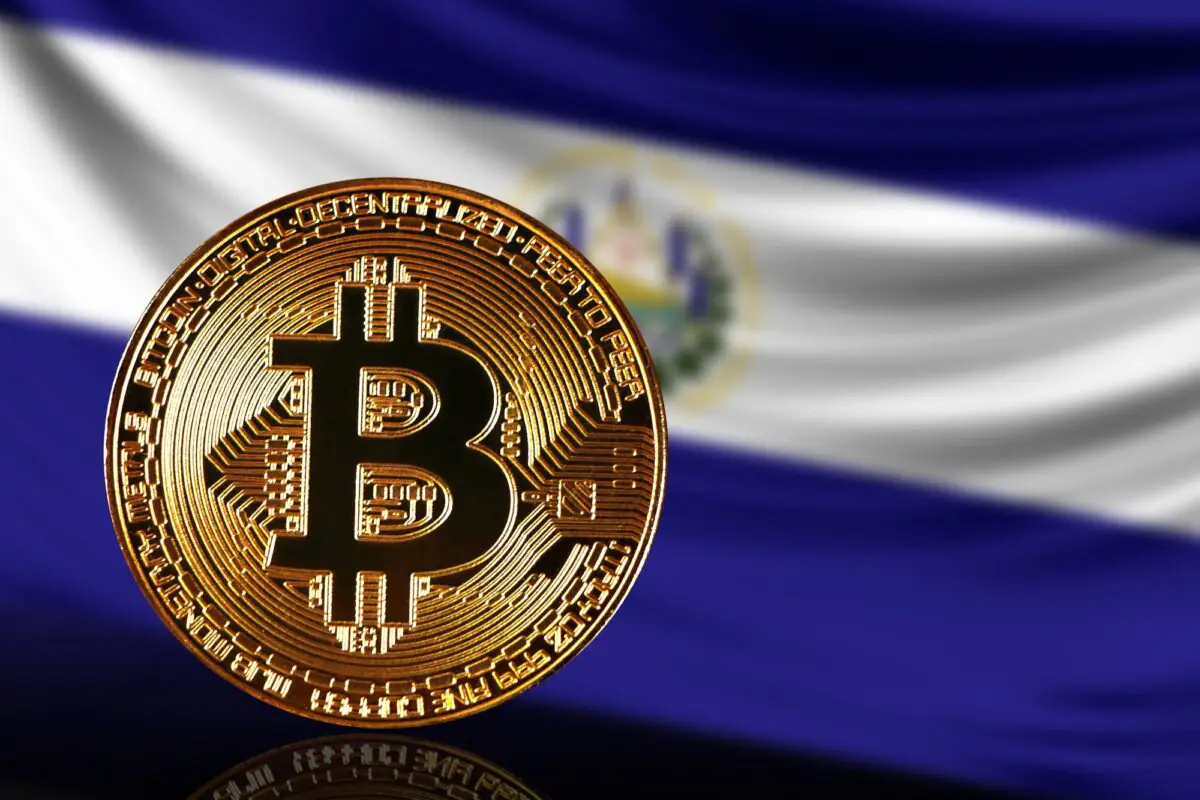
El Salvador's bitcoin reserves have long been seen as evidence of the country's government's systematic purchase strategy. However, the International Monetary Fund has now given a more specific explanation of the source of recent reserve increases: these new bitcoins did not come from public spending, but from private donations.
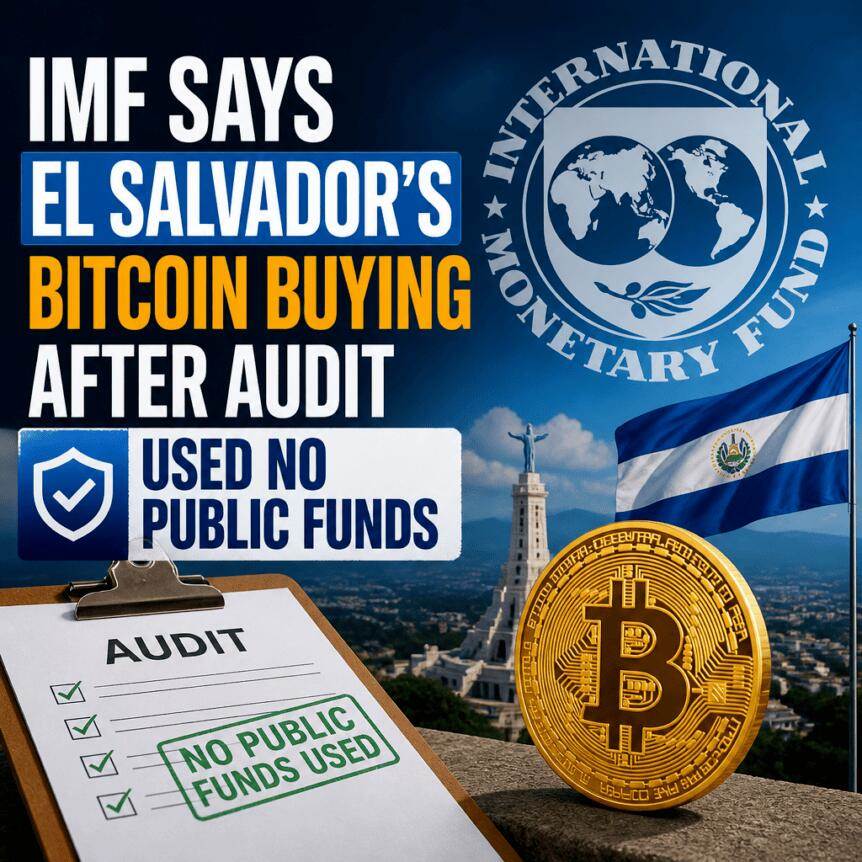
In an "Official Statement of Agreement" released in September, the IMF noted that documents had confirmed that "Bitcoin accumulation since the first review reflects private donations... without the use of any public resources." Although the agreement still needs to be approved by the IMF's executive board and complete agreed pre-actions, the staff statement changes the way the outside world interprets the recent increase in reserves: an increase in the Bitcoin balance does not necessarily mean that El Salvador's national finances have invested more money to buy Bitcoin.
Why June 2025 becomes a critical node
The IMF concluded its first assessment of El Salvador's 40-month deferred financing facility on June 27, 2025. The new disclosure covers accumulations since this point in time; it does not explain the source of funding for every Bitcoin acquired since the country made Bitcoin legal tender in 2021.
This date is crucial. The IMF has not rewritten El Salvador's complete Bitcoin history, nor has it released a comprehensive audit of its reserves. The focus of the confirmation is that records confirm that the additions since the first review were obtained through private donations, rather than new public sector procurement.
For readers who follow the dynamics of the country's reserves, this clarifies two often confused questions: how much Bitcoin El Salvador reports holding, and how the newly acquired bitcoins came into its control.
Facts and undisclosed contents confirmed by the IMF
Things confirmed: The document shows that accumulation since the first review reflects private donations and that public resources have not been used.
Things not yet disclosed: The statement did not mention the donor's name, donation amount, recipient wallet address or specific terms of the donation.
The donation framework limits future stages of development
The IMF also stated that "no further Bitcoin accumulation beyond the recorded donations is expected." This wording does not mean that taxpayer-funded Bitcoin purchases will return without restrictions. Instead, it signaled that any further expansion of reserves is expected to remain within the framework of recorded donations.
This does not mean that Bitcoin has nothing to do with El Salvador's public finances. The country continues to face custody, disclosure, governance and market value risks from assets it controls. However, this shifts the immediate fiscal question from "whether the government is deploying new funds to buy BTC" to "how to manage the bitcoin it already has."
This restriction on new accumulation is part of a broader effort to reduce the state's direct role in the original Bitcoin program. The IMF stated that public participation in the Chivo e-Wallet has been basically lifted and majority ownership and operational control have been transferred to private operators. The government still retains minority interests and custody responsibility for client assets.
The reserve tracker only displays the balance, not the source of funds.
After verification, tracking data from the Bitcoin Office in El Salvador showed that its reported position was 7,764.37 BTC, which was worth approximately US$629.68 million based on the displayed market price. This balance has increased by 7 BTC in the past seven days and 30 BTC in the past 30 days.
- El Salvador's reported bitcoin reserves: 7,764.37 BTC
- Reported positions: Valuation of approximately US$629.68 million
- Growth in the past seven days: +7BTC
- Growth in the past thirty days: +30 BTC
The tracker can show changes in reported balances, wallet liquidity, and market value of reserves, but cannot show whether specific increments are from public purchases, internal transfers, or private donations. This is where the IMF's disclosure is important: it provides background information that the visible balance alone cannot provide.
El Salvador's Bitcoin policy faces new test
El Salvador remains one of the few government cases to publicly link its Bitcoin reserves. But the IMF's latest wording makes the headline numbers less important than the process behind them.
Reserves are likely to continue to grow. The more revealing question is whether future increments remain within the framework of recorded donations and whether the government provides enough transparency to allow the public to distinguish those donations from other wallet activities.