Exchange Ranking
 Top Exchanges
 24h Volume Ranking
 Popularity Ranking
 Exchange BTC Balance
 Proof of Reserves
 Decentralized Exchanges
 Funding Rate
 Funding Heatmap
 Liquidation Data
 Max Pain
 Long/Short Ratio
 Whale L/S Ratio
 Binance/Okex/Huobi L/S
 Bitfinex Margin L/S
 ETF Tracker
 Solana ETF
 XRP ETF
 Hong Kong ETF
 Bitcoin Treasuries
 Crypto Reversal
 Ethereum Reserves
 HyperLiquid Wallet Analysis
 Hyperliquid Whale Watch
 Large Transactions
 On-chain Movement
 Bitcoin ROI
 Stablecoin Market Cap
 Options Analysis
 News
 Articles
 Economic Calendar
 Features
 Wallet
 Contract Calculator


 Security
 Collections
 Watchlist
 Following
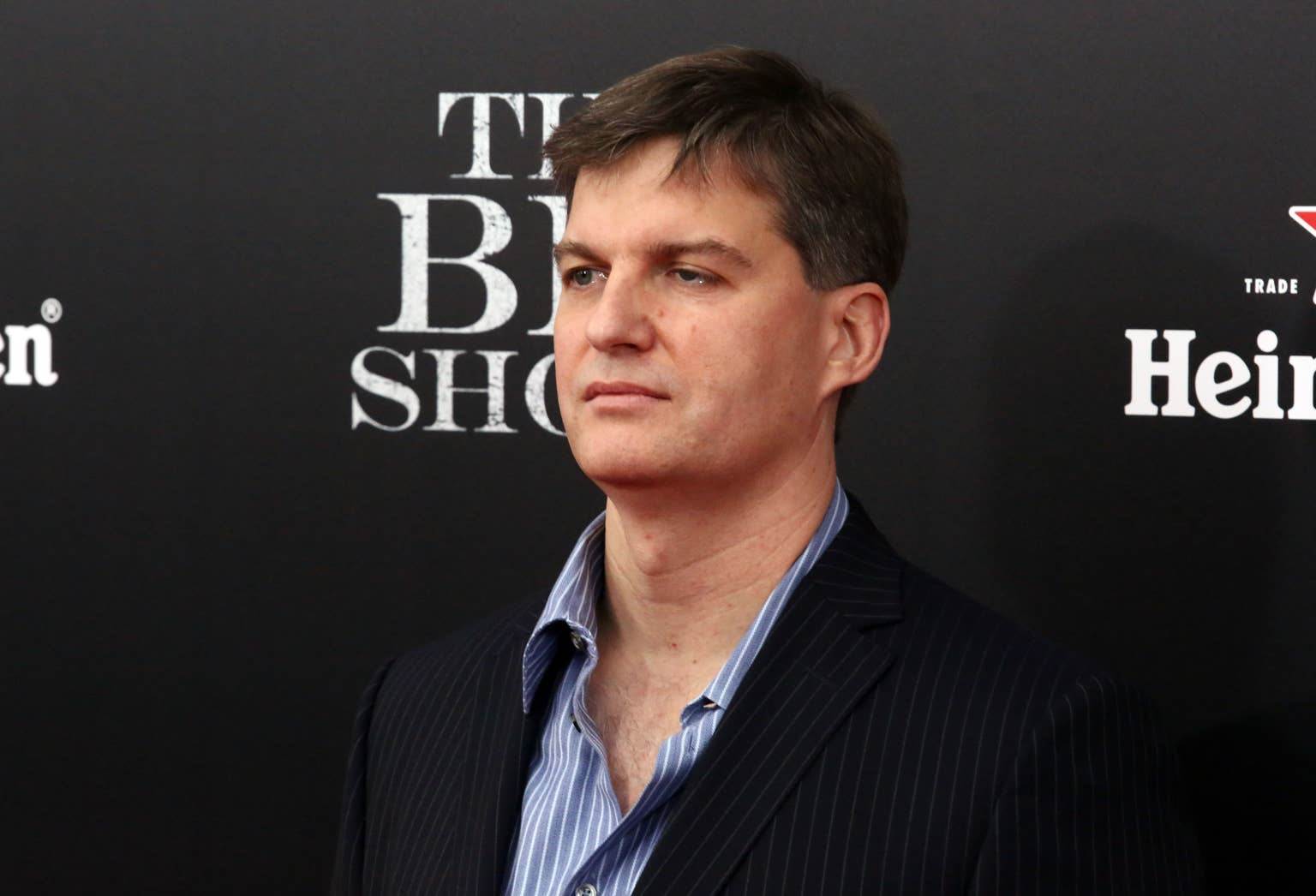
Michael Barry warns: Signs of a market bubble may be ignored again
Michael Burry, an investor who shorted the U.S. housing market before the 2008 financial crisis, warned that investors may once again be ignoring signs of a market bubble.
Barry wrote on October 5:"The stock market is clearly in the first phase of sadness-denial." He added,"Based on 2000 and 2008, this phase usually lasts between six and nine months."
Barry became a character in Hollywood movies by making nearly $800 million shorting the real estate market during the 2008 crisis. His story was later adapted into the book and movie "The Big Short", with Christian Bale playing him on screen.
The 2008 financial crisis began with high-risk U.S. mortgage defaults, which put a large number of banks heavily in these assets into trouble and plunged the world into the worst recession since the Great Depression. Barry foresaw all this. In 2005 and 2006, he had shared predictions that the mortgage market would eventually collapse and put investors in long-term trouble.
AI valuation raises doubts
As the U.S. stock market continues to bucking the trend, Barry's latest warning is particularly eye-catching. Major stock indexes, including the S & P 500 and Nasdaq, hit record highs on October 6, thanks to enthusiasm in the artificial intelligence field and expectations for strong corporate profits. At the same time, amid continued market volatility, Nvidia's market value once approached a staggering $6 trillion.
Barry is increasingly skeptical of the recent AI boom, arguing that current valuation and spending assumptions are beginning to resemble the early tech bubble. In an independent article published on October 6, he specifically mentioned Anthropic and asked: How many profitable S & P 500 companies can you buy at the expense of this AI startup's private market valuation?
His answer was 78 companies. These include Domino's Pizza, FedEx Freight, lululemon, MGM Resorts and Norway Cruises.
Before Anthropic plans to launch a target IPO of US$2 trillion, its 2026 revenue growth exceeded its annualized operating rate of US$65 billion in late July.
Contrast with the telecommunications bubble of the late 1990s
This warning builds on the bearish AI arguments that Barry has been developing for months. In September, he converted several short positions into put options and said: "Fundamentally, I am moving the timeline forward." He also believes that "the AI bubble may burst sooner than expected."
Barry compared the current AI capital expenditure cycle to the telecommunications over-construction of the late 1990s. He also questioned whether companies were exaggerating the economic life of AI hardware in the niche experimental stage.
Despite Barry's historic success in market forecasting, some of his judgments were not always timely and accurate. After telling investors to "sell" in January 2023, Barry later admitted that he was "wrong."