Exchange Ranking
 Top Exchanges
 24h Volume Ranking
 Popularity Ranking
 Exchange BTC Balance
 Proof of Reserves
 Decentralized Exchanges
 Funding Rate
 Funding Heatmap
 Liquidation Data
 Max Pain
 Long/Short Ratio
 Whale L/S Ratio
 Binance/Okex/Huobi L/S
 Bitfinex Margin L/S
 ETF Tracker
 Solana ETF
 XRP ETF
 Hong Kong ETF
 Bitcoin Treasuries
 Crypto Reversal
 Ethereum Reserves
 HyperLiquid Wallet Analysis
 Hyperliquid Whale Watch
 Large Transactions
 On-chain Movement
 Bitcoin ROI
 Stablecoin Market Cap
 Options Analysis
 News
News Articles
 Economic Calendar
 Features
 Wallet
 Contract Calculator


 Security
 Collections
 Watchlist
 Following
 XRP
XRP XRP prices fall back, banks 'blockchain payment layout accelerates
After a 49.4% gain in a week, XRP has fallen 2.2% in the past 24 hours, bringing the token back into negative territory after a strong week.
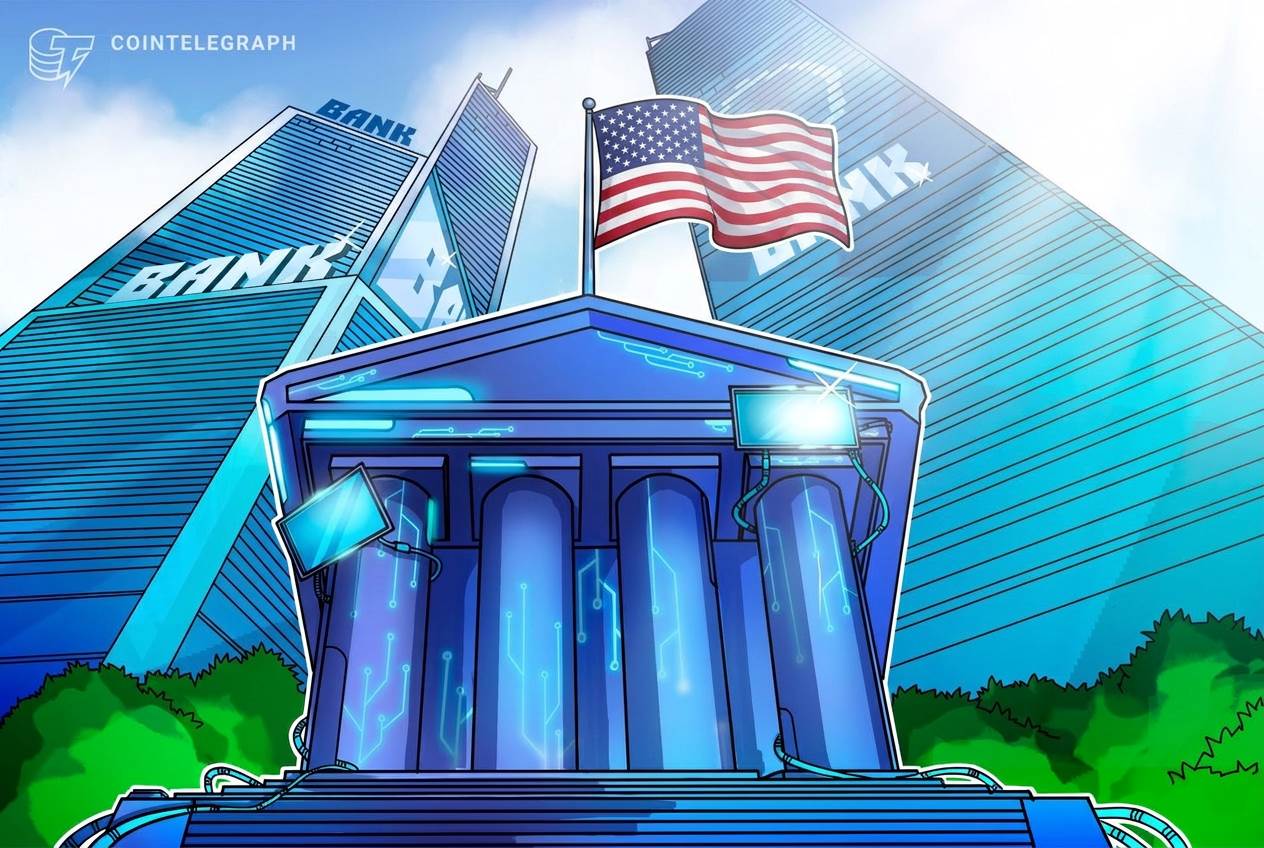
The decline comes as cryptocurrency traders are focusing on changes in the payment business landscape surrounding XRP. Large banks continue to launch blockchain systems that directly address pre-financing issues. JPMorgan achieves this through its Kinexys platform.
In June this year, JPMorgan expanded its blockchain deposit account to eight currencies: US dollar, euro, British pound, Australian dollar, Hong Kong dollar, Japanese yen, RMB and Singapore dollar. Customers can transfer these balances around the clock and exchange them for supporting currencies online.
Companies that hold U.S. dollars can receive yen without first purchasing a separate crypto asset as a trading bridge. JPMorgan can set foreign exchange prices, instantly convert currencies, and immediately record settlements on its blockchain.
Citigroup's $24/7 clearing network has covered more than 250 banks in more than 40 markets. Citi Token Services also uses blockchain infrastructure to transfer tokenized commercial bank deposits. Citi said combining the two systems would allow institutions to make overseas payments quickly while reducing the amount of funds that need to be placed in advance.
Real-time liquidity sharing can also process payments without requiring banks to fund each account in advance. The 90-second speed is still slower than the three to five second settlement range of the XRP ledger. But companies may prefer to use cash already in regulated banks rather than route payments through XRP.
SWIFT connects different bank tokens and abandons sharing cryptocurrencies
Banks also face another problem: the digital deposits they hold are not automatically interconnected. This means that if you own HSBC's one-dollar token, the token is HSBC's liability. Similarly, if you hold Standard Chartered Bank deposit tokens, it is limited to the Standard Chartered ecosystem.
SWIFT is addressing this issue. On August 19, HSBC and Standard Chartered Bank completed their first cross-border transaction through the SWIFT blockchain ledger. Both banks store deposit tokens in their own infrastructure. SWIFT is responsible for passing messages, aligning obligations, comparing them, and calculating the amount payable by each bank. The final transfer is completed through traditional payment systems.
SWIFT does not replicate the XRP model. In fact, cryptocurrencies can serve as asset transfer channels on their own ledger. However, SWIFT adopts an alternative: it uses tokens issued by different banks that can interact with each other even on different platforms.
This project has gone beyond the original bank pairing. SWIFT said 17 banks on six continents are preparing to use the ledger to conduct real-time tokenized deposit transactions. HSBC has provided tokenized deposit services in six markets, supporting offshore RMB, Hong Kong dollars, Singapore dollars, euros, British pounds, US dollars and United Arab Emirates dirhams.