Exchange Ranking
 Top Exchanges
 24h Volume Ranking
 Popularity Ranking
 Exchange BTC Balance
 Proof of Reserves
 Decentralized Exchanges
 Funding Rate
 Funding Heatmap
 Liquidation Data
 Max Pain
 Long/Short Ratio
 Whale L/S Ratio
 Binance/Okex/Huobi L/S
 Bitfinex Margin L/S
 ETF Tracker
 Solana ETF
 XRP ETF
 Hong Kong ETF
 Bitcoin Treasuries
 Crypto Reversal
 Ethereum Reserves
 HyperLiquid Wallet Analysis
 Hyperliquid Whale Watch
 Large Transactions
 On-chain Movement
 Bitcoin ROI
 Stablecoin Market Cap
 Options Analysis
 News
 Articles
 Economic Calendar
 Features
 Wallet
 Contract Calculator


 Security
 Collections
 Watchlist
 Following
 BTC
 ETH
 NEAR
Bitget Wallet and Bitget Exchange: Two products, two custody models
Bitget Wallet (digital wallet) and Bitget Exchange are two products with different custody models. The attack disclosed by Bitget on September 24, 2026 affected the exchange's systems. Users who hold Bitget Wallet's cryptographic assets are not automatically affected because the wallet uses a different access mechanism. This mechanism is a key point that most users haven't delved into: in the "keyless" version of the wallet, one of the three key shares is stored on the Bitget server, and without that share, a signature cannot be generated.
This article aims to clarify the difference between the two. First, we analyze the situation of the exchange, then discuss the technical principles of the wallet, and finally explain its impact on asset custody, German regulatory laws and taxation.
Misleading the same name
Common names are misleading. The exchange is a centralized trading platform. After a user deposits funds, the balance is recorded in a database held by the operator, while the private key of the actual address of the coin is managed by the company. This is called Custodial in industry jargon. Users hold claims on the exchange rather than direct control of coins.
钱包的工作方式则截然不同。它是一个在您的设备上生成并保存密钥的应用程序,因此被称为自我托管(Self-custody)。钱包的产品页面将其描述为产品属性,并引用通过加密和自我托管来保护余额。它还宣传支持超过130条区块链上的代币访问,以及3亿美元的保障基金。
然而,保障基金是提供商的承诺,而非自我托管的属性。真正的自我托管在发生损失时无需保障基金,因为只有您能接触密钥。广告中保障基金越突出,就越需要仔细审视谁实际上参与了签名过程。我们将在下文深入探讨这一点。
2026年9月24日针对交易所的攻击:3.875亿美元
2026年9月24日,Bitget 披露攻击者通过未经授权的转账从交易所的热钱包和温钱包中盗取了余额,并暂时暂停了提款服务。随着调查的进行,涉及的金额不断上升:初期报告称金额为3.516亿美元,后续公告则显示为3.875亿美元。这两个数据均来自同一事件的通讯报道,在缺乏最终审计报告的情况下,给出一个范围比单一数字更为诚实。
Regarding the reasons, Bitget explained that it has identified malicious activity related to third-party security products, including previously unknown vulnerabilities (i.e. zero-day vulnerabilities). Security company SlowMist has set the earliest time for suspicious activity as August 31, 2026. Mandiant described the attacker gaining access to a third-party security device and thus gaining access to the exchange's wallet environment. Approximately $1.1 million was frozen or recovered through Circle, Tether and NEAR Intention.
It is important to realize that what is affected is the exchange's hot and warm wallets, the systems used to settle ongoing deposits and withdrawals. These are enterprise systems. The key that exists only on your phone will not be stored there. The exchange reopened withdrawals in stages starting on September 28, and in the following weeks, customers withdrew their balances on a large scale.
Custody vs. Self-Custody: Control over the private key
The private key is the number used to sign the transaction out of the blockchain address. Those who have the private key can dispose of the asset; those who do not have it cannot, no matter what the application displays. The only critical question for any provider is: Who can sign?
On the exchange, the answer is clear: signed by the company, and you submit the order. This has advantages, such as if you forget your password, but it also has a disadvantage, that is, attacks on corporate systems can hit your balance. In the "keyless" version of the wallet, the answer is not simply "you", but "your device plus server." What forms exist and how they differ in cost and access rights depend on this issue.
无密钥钱包:三个密钥份额与 2-of-3 签名
Bitget Wallet 提供两种账户设置方式。一种是带有助记词序列的经典钱包。另一种是无密钥钱包,它不使用助记词,而是依赖多方计算(MPC)。不会产生单独存储的单个密钥,而是产生多个份额,各方共同计算有效签名,而无需组装完整的密钥。
Bitget 在其 MPC 钱包公告中描述了其自身的实现方式,涉及三个份额。一个位于您当前使用的设备上;第二个位于平台服务器上;第三个作为备份存储在云存储(如 iCloud 或 Google Drive)中,不参与签名。签名需要两个份额,在此方案中即为设备上的份额和服务器上的份额。
根据提供商自己的指南,设置时首先在应用中选择“创建钱包”,然后选择“无密钥钱包”。您设置一个六位数的交易密码,该密码仅适用于此类钱包,而账户本身的访问则通过电子邮件确认码等登录程序进行。应用随后提示备份到云端,状态切换为“已备份”。对于需要重新分配份额的情况,文档提到了重新分发机制,但未详细说明。
Bitget 的服务器份额:无密钥钱包的隐性依赖
Hidden here lies the core of the problem. If signature requires a share on the device and a share on the server to work together, then every transfer of assets from the keyless wallet relies on the participation of the Bitget server. Bitget made it clear that the share held by the server can only participate in the signing process with the explicit consent and approval of the user. The announcement also compares this with third-party hosting, pointing out that in third-party hosting, the platform can unilaterally access user balances.
This is different from what many readers interpret it. It shows that, according to Bitget, the company will not deploy server shares without your approval. But it doesn't say you can sign away from your server share. What would happen if the server was permanently unavailable or the company stopped service was not stated in the announcement. In practice, this means that keyless wallets shift the burden of custody of mnemonic words to you and place ongoing dependence on the service provider.
From a technical perspective, this is an intentional transaction, not a flaw. Mnemonics on paper are the most common cause of ultimate damage because they can be lost, photographed or disappear in a fire. The alternative solves a practical problem. But the result is a hybrid between self-hosting and services, with anyone who takes self-hosting ads literally underestimating the role that providers retain in the chain.
12-or 24-word mnemonic wallet: Second variant in the same application
同一应用中提供了另一种选择。助记词钱包生成代表密钥种子的单词序列,Bitget 根据其自身文档提供12或24个单词的版本。选择它可获得一个仅凭这些单词即可在任何兼容设备上恢复密钥的钱包,且无需提供商介入。
在这种情况下,风险发生了逆转。没有人能将您锁定在外,也不需要他人配合签名。作为交换,您需要独自承担保管的全部负担,文档也明确指出:单词序列可能被窃取或遗忘,必须安全存储。对于会造成损失的金额,这是获得“自我托管”称号而无需附加条件的变体。
现有账户运行的是哪种类型可以在应用中检查。这种区分并非表面功夫:它决定了在关键时刻您是否能独立行动。
云备份(iCloud 和 Google Drive)不参与签名
应用在 iCloud 或 Google Drive 中存储的第三个份额是 Bitget 名下的备份,不参与签名。由此得出两点结论。首先,仅访问您的云账户不足以以您的名义进行转账,因为需要两个具备签名能力的份额。其次,尽管这样,此备份仍然是您安全链中的敏感环节,因为它存在的目的是替换丢失的设备。
Therefore, accounts holding this backup should be treated with the same caution as access to the wallet itself, such as two-factor authentication and the use of unique passwords. Cloud accounts accessible by recovering mail with weak protection can offset good security measures in the application.
MiCA and Crypto-Asset Custody: Self-Custody is not subject to licensing requirements
European MiCA regulations regulate service providers who hold or trade crypto-assets for others. In contrast, anyone providing software that enables users to retain their own keys does not constitute custody in the sense of the regulation as long as the provider cannot dispose of the balance. Purely self-managed wallets therefore do not appear in the register of authorized service providers, and their absence is not a defect, but a result of this boundary.
This raises clear questions for users. On trading platforms, authorizations are highly relevant because other people's funds and coins are stored there. On the wallet side, authorization is less important than the question of "who can sign". If the provider of a wallet participates in signing, then at this point it moves closer to the service, even if it does not appear as a custodian. It is important to know which world your current position is in.
Hardware wallet as third tier: serverless, app providerless keys
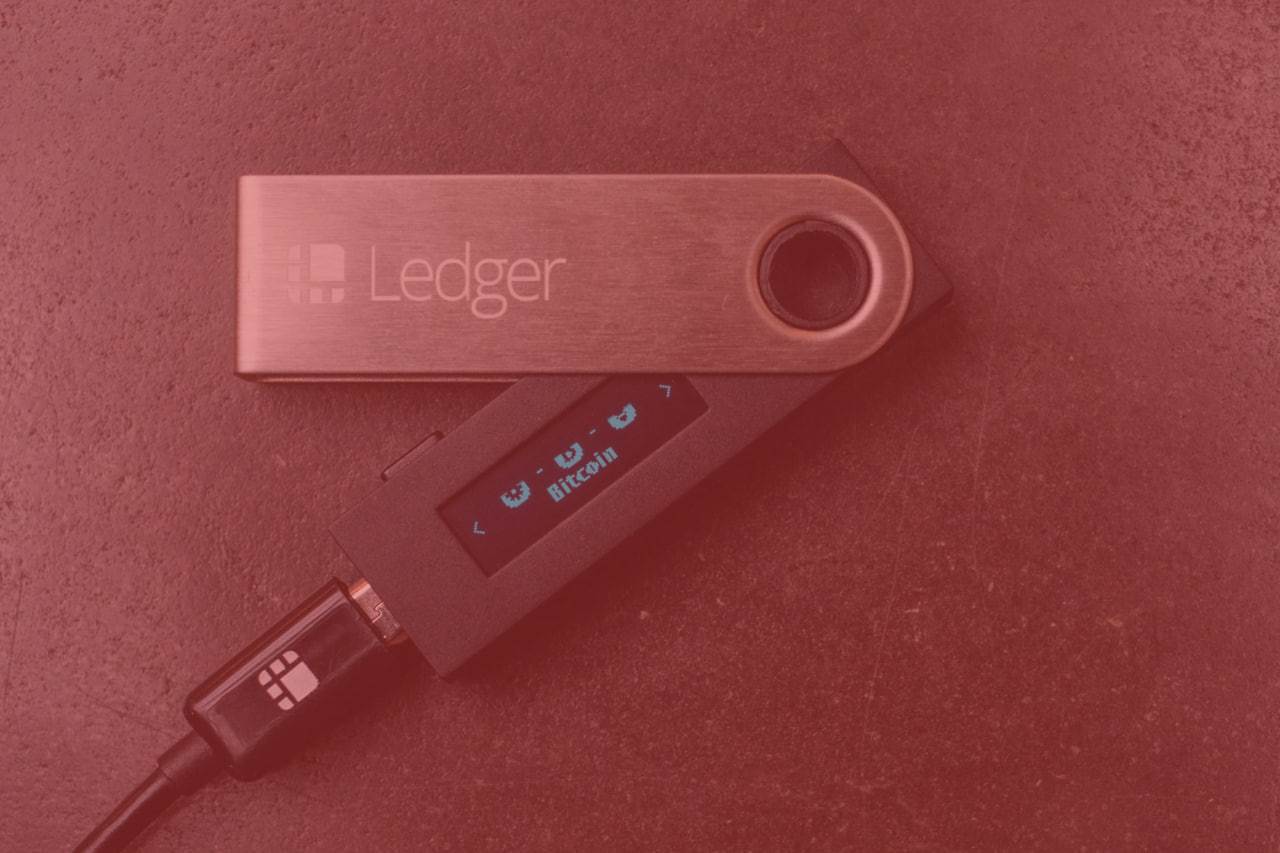
If you are concerned about the dependence on other people's servers in keyless versions, the route is to a device that generates keys offline and performs the signature itself. The hardware wallet saves the private key in the chip and does not release it. For signatures, unfinished transactions are transmitted to the device, confirmed there, and then only the signature is returned. Neither the application nor the provider's server is involved.
This level requires money and familiarization time, and once again transfers the risk to the custody of mnemonics and the risk of purchasing from trusted sources. For long-term positions, this is the coolest answer to the interview question. Differences between devices, from form factor to supported networks, are detailed in our Hardware Wallet Comparison.
An often-overlooked intermediate solution: You don't have to choose just one form
The amount you intend to trade frequently can be placed in a trading platform or app wallet, while assets you intend to hold for years can be placed on a device without a network connection. Splitting by purpose is the easiest and most rewarding part of security work.
Tax and Holding Period: Transfer to your own wallet is not considered for sale
After the incident, many people moved balances from exchanges to their wallets and wondered if this would create a taxable event. According to the circular on individual issues on the treatment of income tax on crypto assets issued by the German Ministry of Finance on March 6, 2025 (replacing the 2022 version), transfers of wallets between the same owners will not change ownership: no disposal occurs and the continuous holding period continues to be calculated. What remains decisive in tax terms is the one-year period stipulated in Article 23 of the Income Tax Law and the ownership rights under the first-in, first-out law.
What is added is paperwork. Each transfer must remain traceable to retain ownership on the acquisition date, and self-custody does not exempt the obligation to record. Anyone using multiple wallets and trading platforms will soon reach the limit of a spreadsheet; see our overview of cryptocurrency tax tools and combination trackers for which tools can aggregate transactions together. For individual cases, especially if pledges or loans are running in the background, consulting a tax consultant is more reliable than any operating guide.
What is currently open is the proposed reform that will remove holding period limits for future acquisition of crypto assets. So far, this is just a draft rather than a law, and it will not change the way transfers between your own wallets are handled.
Bitget Wallet: Without server shares, keyless versions cannot be signed
Bitget Wallet 不是 Bitget 交易所,2026年9月的攻击贯穿的是交易场所的系统。因此,钱包用户不应因无事发生而感到安心,而应因为他们知道自己运行的是哪种变体。在无密钥钱包中,每次签名都需要提供商服务器上的份额;在助记词钱包中则不需要。关键在于,在关键时刻您是否能独立行动。
建立变体认知
查看应用以确定您的账户是设置为无密钥钱包还是使用单词序列,并记录结果。普通应用钱包在这一点的区别在我们的软件钱包比较中有详细说明。
按目的拆分持仓
您打算持有数年的资产应放在离线签名的设备上;对此的选择在我们的硬件钱包比较中。
单独评估交易平台
对于必须停留在交易所的余额,运营商的授权是关键;哪些提供商在欧盟受监管,请参阅受监管加密交易所的概述。
(截至2026年10月11日。本文不构成投资建议。价格和费用结构会发生变化;购买前请与提供商核实条款。)