Exchange Ranking
 Top Exchanges
 24h Volume Ranking
 Popularity Ranking
 Exchange BTC Balance
 Proof of Reserves
 Decentralized Exchanges
 Funding Rate
 Funding Heatmap
 Liquidation Data
 Max Pain
 Long/Short Ratio
 Whale L/S Ratio
 Binance/Okex/Huobi L/S
 Bitfinex Margin L/S
 ETF Tracker
 Solana ETF
 XRP ETF
 Hong Kong ETF
 Bitcoin Treasuries
 Crypto Reversal
 Ethereum Reserves
 HyperLiquid Wallet Analysis
 Hyperliquid Whale Watch
 Large Transactions
 On-chain Movement
 Bitcoin ROI
 Stablecoin Market Cap
 Options Analysis
 News
News Articles
 Economic Calendar
 Features
 Wallet
 Contract Calculator


 Security
 Collections
 Watchlist
 Following
Full Analysis of the On-Chain Crypto Whale: A Complete Guide for 2026
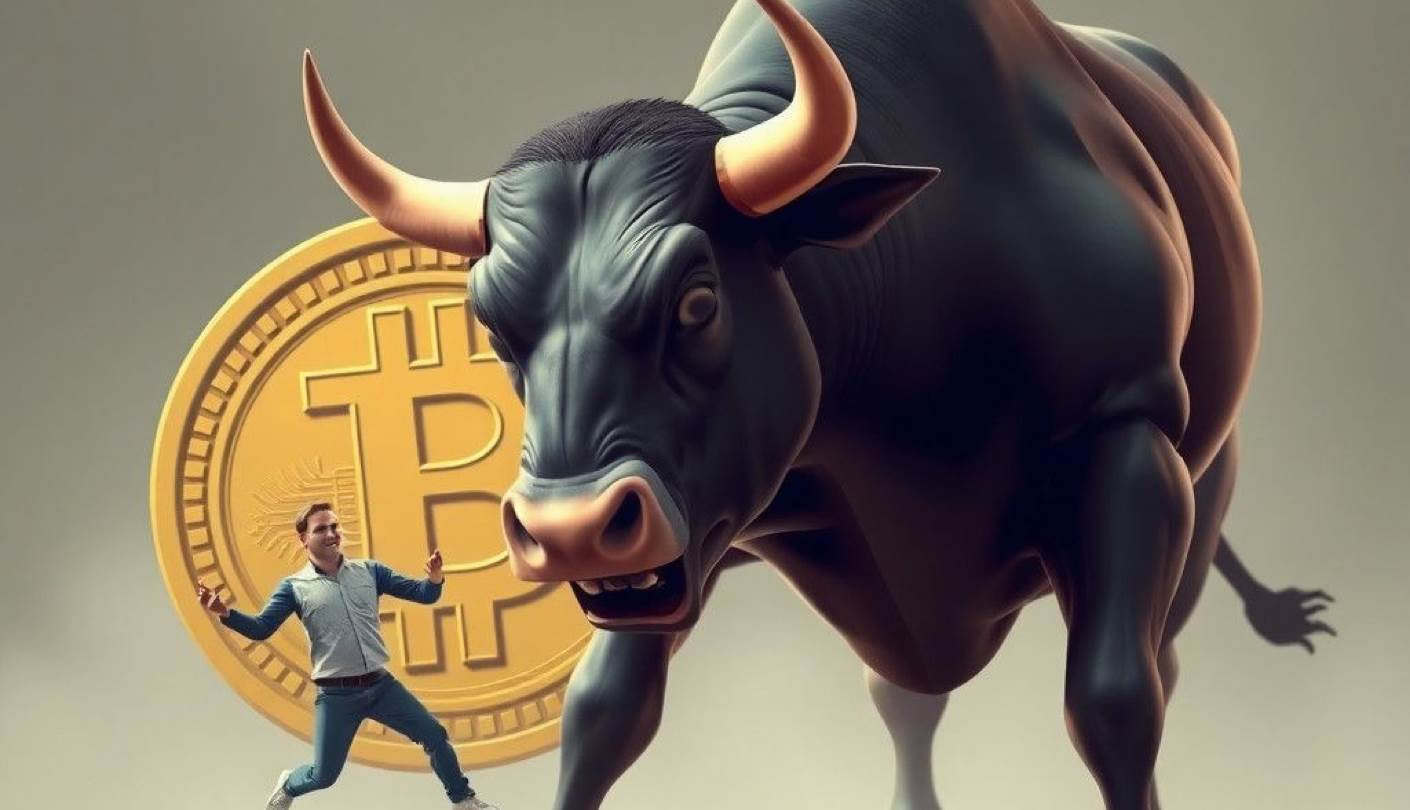
Large-scale cryptocurrency transactions worth tens of millions of dollars often occur more frequently than most people imagine. This is why the question "what is a giant crypto whale on the chain" frequently appears among traders and investors. Understanding this concept helps anyone interpret market dynamics more clearly.
What is an on-chain crypto whale?
Simply put, a giant whale refers to an individual or institution that holds a large number of digital assets. When the qualifier "on-chain" is added, its meaning becomes more specific: every operation of the giant whale is permanently recorded on the blockchain and can be witnessed by any viewer. So, what is the real digital whale on the chain? It is a large wallet whose activities can be publicly tracked, just like a public financial record that cannot be hidden.
Unlike large-scale transactions in traditional finance, which are often conducted privately, it is difficult to completely hide the position of digital assets. Its wallet activities are completely transparent on the blockchain, which is why whale tracking has become such a popular part of the field of cryptocurrency research.
The difference between a giant whale on the chain and an ordinary investor
Once you master the rules, it becomes much easier to understand the giant whale on the chain. Giant whales usually have the following characteristics:
- Large positions can cause price fluctuations simply by buying or selling.
- It is often silent for several weeks, and then a huge operation is suddenly launched.
- Once there is any movement in his wallet, it will immediately attract the attention and tracking of thousands of traders.
- Usually owns tokens associated with platforms with actual voting rights or pledged interests.
A unique and little-known fact is that not all the largest holding wallets belong to individuals. Some of them are actually cryptocurrency exchanges, hedge funds, or abandoned wallets that have not interacted with for more than a decade.
Here's another interesting twist: Not all giant whales are eager to cash in. Some people firmly believe in a project and hold its coin for years, ignoring every plunge or rebound. Traders call this phenomenon "diamond hands", and these patient whales often end up making the most profits simply because they never panic selling.
How does whale tracking work?
This part of the content makes it particularly interesting to explore "what is an on-chain crypto whale". Every cryptocurrency blockchain transaction is packaged into a "block" that is permanently public. Specialized tools will continuously scan these blocks for cryptocurrency wallets holding huge amounts of money. Once the giant whale wallet transfers funds, an alarm will pop up on the trading application within a few seconds.
To take a real example: If a whale moves coins from a cold wallet to an exchange, traders will regard this as a warning sign for a potential sell. Even if the giant whale has not actually been sold, this warning alone is enough to cause sharp price fluctuations. This is the power behind whale tracking on the chain; it focuses not only on the transaction itself, but also on the psychological effects it triggers in the hearts of all observers.
Token utility in the eyes of giant whales
The answer to "what is a digital giant whale on the chain" lies not only in the fact that transactional giant whales obtain various digital tokens and assets, but also in their selection criteria.
Typically, giant whales tend to look for coins with practical uses rather than mere speculative potential. Tokens that provide collateral revenue, voting rights or access to other platform functions are extremely attractive to giant whales. Now we can highlight key token utility aspects to consider when discussing top digital holders:
- Pledge rewards: The opportunity to earn passive income by locking in tokens is similar to a savings account that provides periodic income.
- Governance voting: Tokens that give the holder a certain amount of voting rights in the decision-making process. The more tokens you hold, the stronger your voice.
- Platform access rights: Certain tokens give users the right to use platform functions and access them earlier than other users. Digital whales usually give priority to obtaining such tokens.
- Utility in real life: Tokens linked to real-life products, such as payment systems.
When contemporary coins have practical uses, the transactional giant whale will quickly notice it. Once large investors start buying, small investors usually follow, so observing the giant whale wallets on the chain can provide you with early warning signs.
Token economics: Hidden clues behind the whale's movements
"Token economics" may sound professional, but it is actually just the "monetary rules" behind the coins: what is the total supply, how is it distributed, and how fast new coins will be issued. This is directly related to the encrypted giant whale on the chain. If a few wallets control most of the token supply, this is a red flag because prices are more likely to be manipulated when a giant whale owns 30% of the total. Tokenomics often reveals more information than a project's cool website.
Here is a breakdown of the key points of token economics that anyone can understand, even if you have no financial background:
- Maximum supply: Total amount of tokens that will be mined. Generally, low supply and high demand make tokens expensive.
- Circulation Supply: The number of tokens currently in circulation. The huge difference between total supply and circulation supply may signal new token issues in the future.
- Token distribution: The popularity of tokens among holders. If five wallets control 60% of the tokens, the project is vulnerable to a crash or malicious pulling.
- Inflation rate: Speed at which new coins are being mined. In most cases, high inflation means that if there is no increase in demand, the value of the token will depreciate rapidly.
- Lockout Plan: Tokens held by developers and early contributors will be locked for a certain period of time. Once the lockup period ends, a large number of tokens may enter the market.
Checking these points before investing is basically a background check on the token, which is one of the wisest habits any trader can establish.
Future trends in giant whale tracking
The future of encrypted giant whales on the chain is really exciting. AI-based alerts are becoming extremely accurate and can even predict actions before they occur. Cross-chain tracking is also constantly improving, making it impossible for giant whales to jump from Ethereum to networks such as Solana without being detected. We expect dashboards to become simpler, faster, designed for beginners, not just for chart-obsessed technology geeks.
Conclusion
So, what are the top crypto holders on the chain? It's a giant wallet where you can observe every move in real time. To be honest, once you start tracking them, it's hard to stop. Blockchain never lies, and so do the footprints left behind. Pay close attention to them and you will always be one step ahead of the public.
Disclaimer
This document is for information purposes only and should not be regarded as financial, investment or trading advice. The cryptocurrency market is extremely volatile, and giant whale activity is just one of many factors affecting prices. Before making any investment decisions, be sure to conduct independent research (DYOR) and consult a qualified financial adviser.