Exchange Ranking
 Top Exchanges
 24h Volume Ranking
 Popularity Ranking
 Exchange BTC Balance
 Proof of Reserves
 Decentralized Exchanges
 Funding Rate
 Funding Heatmap
 Liquidation Data
 Max Pain
 Long/Short Ratio
 Whale L/S Ratio
 Binance/Okex/Huobi L/S
 Bitfinex Margin L/S
 ETF Tracker
 Solana ETF
 XRP ETF
 Hong Kong ETF
 Bitcoin Treasuries
 Crypto Reversal
 Ethereum Reserves
 HyperLiquid Wallet Analysis
 Hyperliquid Whale Watch
 Large Transactions
 On-chain Movement
 Bitcoin ROI
 Stablecoin Market Cap
 Options Analysis
 News
News Articles
 Economic Calendar
 Features
 Wallet
 Contract Calculator


 Security
 Collections
 Watchlist
 Following
 BTC
BTC  ETH
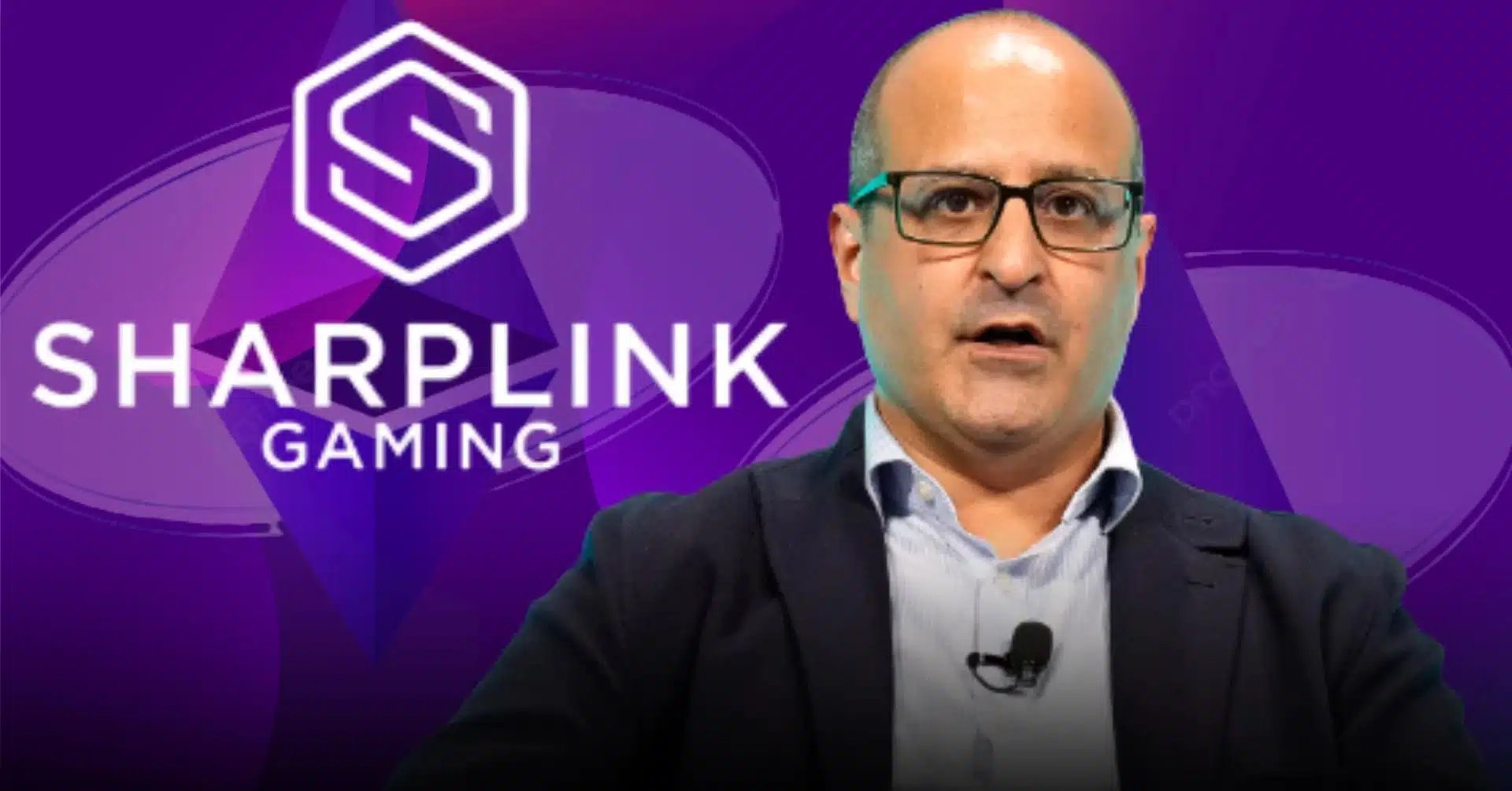
ETH Joseph Chalom warned that EIP-8363 could reduce Ethereum's native pledge yields and weaken the widely used liquid pledge assets in the DeFi lending market. He pointed out that a decline in validator rewards will drive up the cost of capital on the chain and weaken ETH's appeal to institutional investors and small validators. SharpLink's CEO advocates controlling ETH supply through the existing fee destruction mechanism, rather than reducing the amount issued by verifiers as pledge rates increase.
Chalom expressed concerns about DeFi and Pledge
EIP-8363, the "Decreasing Issue Destruction" proposal, plans to reduce Ethereum's circulation in approximately 18 months. The proposal stipulates that as the amount of ETH pledged increases, more newly issued tokens will be destroyed. Chalom said Ethereum currently distributes approximately 2.75% of the newly released ETH to verifiers. He added that only about 15% of current pledge proceeds come from transaction tips. Chalom believes that lower rewards may affect DeFi because pledge proceeds support liquid pledged assets. He mentioned that the total value of liquid pledged tokens is approximately US$35 billion. These assets serve as collateral in the on-chain lending market. However, lower pledge returns will increase the cost of capital and affect small verifiers. Chalom also said that ETH's native earnings distinguish it from Bitcoin in the eyes of institutional investors. He linked this feature to demand generated through ETP, digital asset libraries and private equity funds.
Ethereum adoption drives SharpLink's stance
Chalom said Ethereum's circulation supports the validators, infrastructure teams and projects in its ecosystem. He added that SharpLink uses verifier services through Coinbase, Anchorage, Figment and Galaxy Digital. According to Chalom, the company also supports ether.fi, Linea and EigenCloud. He believes that reducing issuance will limit the amount of capital circulating in Ethereum-related activities. At the same time, Chalom mentioned that the size of stablecoins on Ethereum is approximately US$159 billion, and the tokenized assets exceed US$15 billion. He also cited Robinhood's Ethereum Layer 2 network and BlackRock's tokenized BSTBL stock. Chalom said BNY is also introducing pledges to its institutional custody platform through Galaxy Digital. He pointed out that these developments indicate that institutional use of Ethereum is growing. Chalom supports lower circulation and reasonable pledge ratios, but prefers Ethereum's existing fee destruction mechanism. He said that when network activity reaches a certain level, basic fee destruction can deflate ETH. Therefore, Chalom believes that EIP-8363 solves the distribution problem through an error mechanism.