Exchange Ranking
 Top Exchanges
 24h Volume Ranking
 Popularity Ranking
 Exchange BTC Balance
 Proof of Reserves
 Decentralized Exchanges
 Funding Rate
 Funding Heatmap
 Liquidation Data
 Max Pain
 Long/Short Ratio
 Whale L/S Ratio
 Binance/Okex/Huobi L/S
 Bitfinex Margin L/S
 ETF Tracker
 Solana ETF
 XRP ETF
 Hong Kong ETF
 Bitcoin Treasuries
 Crypto Reversal
 Ethereum Reserves
 HyperLiquid Wallet Analysis
 Hyperliquid Whale Watch
 Large Transactions
 On-chain Movement
 Bitcoin ROI
 Stablecoin Market Cap
 Options Analysis
 News
News Articles
 Economic Calendar
 Features
 Wallet
 Contract Calculator


 Security
 Collections
 Watchlist
 Following
 BTC
BTC  ETH
ETH  XRP
XRP Bitcoin ETF flows rebound, continuous inflows of Ethereum and XRP ETFs end
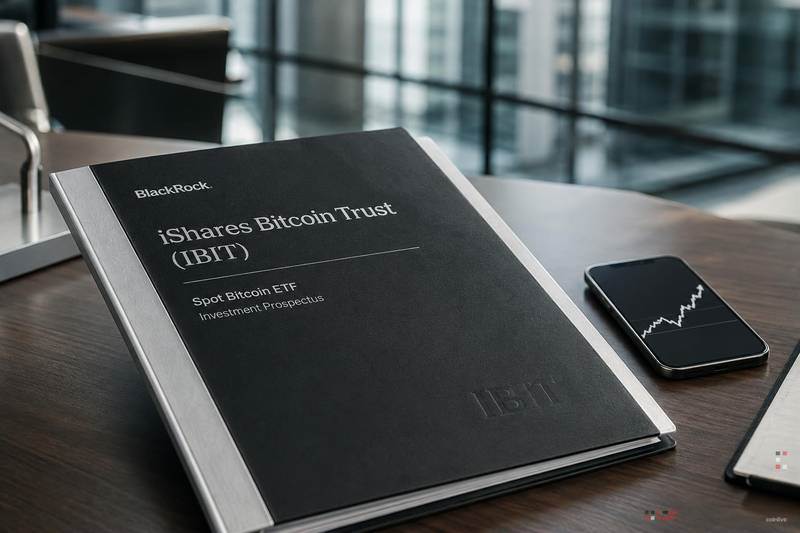
Bitcoin ETF flows rebound, while Ethereum and XRP ETF products end the recent trend of continuous inflows, marking a divergence in demand among the largest U.S. listed cryptocurrency ETFs, a development that traders from Jakarta to Singapore are closely watching.
Summary of Points
Bitcoin ETF has regained momentum after a period of volatile capital flows.
Ethereum and XRP ETF products have also ended their recent continuous inflow records.
This divergence suggests that demand for these three assets is not changing simultaneously.
Bitcoin ETF rebounds after volatility
The core dynamic is that Bitcoin ETF has rebounded momentum and has returned to positive territory after a period of unstable capital flows. The rally itself is a news focus, not any broad ETF explanation.
The rebound and the broader context
The signal of this rebound is that demand for Bitcoin ETF has rebounded again, after Bitcoin ETF inflows rebounded during periods of market volatility. Since basic research is still incomplete, verified dollar or token totals are not quoted here; the focus is on direction, not precise numbers.
How the end of continuous inflows of Ethereum and XRP ETFs changes market interpretation
Bitcoin's rebound is even more important because it coincides with the end of continuous inflows of Ethereum and XRP ETF products at the same time, according to reports from the same round of ETF funds flows. This is a story of divergence between major cryptocurrency ETF narratives, rather than a single unifying trend.
Ethereum ETF Background
Ethereum ETF products have previously experienced a period of positive inflows, which is consistent with the Ethereum ETF's five-day continuous inflows when the weekly capital flow is negative. The end of continuous inflows is here interpreted as a cooling of momentum rather than a confirmed reversal, breaking the synchronization between demand for Ethereum and Bitcoin funds.
XRP ETF Background
XRP ETF products also ended continuous inflows during the same period. In contrast, XRP demand, similar to Ethereum, was suspended when Bitcoin rebounded, indicating that funds were rotating among the three ETF categories rather than changes in the market as a whole.
The broader conclusion is that ETF demand is selective. Relevant tracking has previously shown this divergence, with daily inflows of Bitcoin rebounding, while weekly trends remain negative.
The significance of ETF rotation for cryptocurrency observers in Southeast Asia
Southeast Asian traders rarely directly buy U.S. -listed spot ETFs, but these capital flows remain a closely watched indicator of sentiment from Manila to Bangkok. Regional channels are often indirect channels, so the value of data lies in signals reflecting global institutional needs rather than locally available products.
For readers of regional exchanges, the real question is whether the strength of Bitcoin ETFs can be sustained and whether the flow of funds from Ethereum or XRP ETFs can resume positive growth. These two indicators, rather than any one-day fluctuations, will determine the interpretation of the next round of cross-asset demand.
Disclaimer : This article is for information purposes only and does not constitute financial or investment advice. There are significant risks in the cryptocurrency and digital asset markets. Before making a decision, be sure to study it yourself.