Exchange Ranking
 Top Exchanges
 24h Volume Ranking
 Popularity Ranking
 Exchange BTC Balance
 Proof of Reserves
 Decentralized Exchanges
 Funding Rate
 Funding Heatmap
 Liquidation Data
 Max Pain
 Long/Short Ratio
 Whale L/S Ratio
 Binance/Okex/Huobi L/S
 Bitfinex Margin L/S
 ETF Tracker
 Solana ETF
 XRP ETF
 Hong Kong ETF
 Bitcoin Treasuries
 Crypto Reversal
 Ethereum Reserves
 HyperLiquid Wallet Analysis
 Hyperliquid Whale Watch
 Large Transactions
 On-chain Movement
 Bitcoin ROI
 Stablecoin Market Cap
 Options Analysis
 News
News Articles
 Economic Calendar
 Features
 Wallet
 Contract Calculator


 Security
 Collections
 Watchlist
 Following
 BTC
BTC  ETH
ETH  SOL
SOL G7 promotes post-quantum cryptography transformation: BTC, ETH, and SOL developers openly test defense capabilities
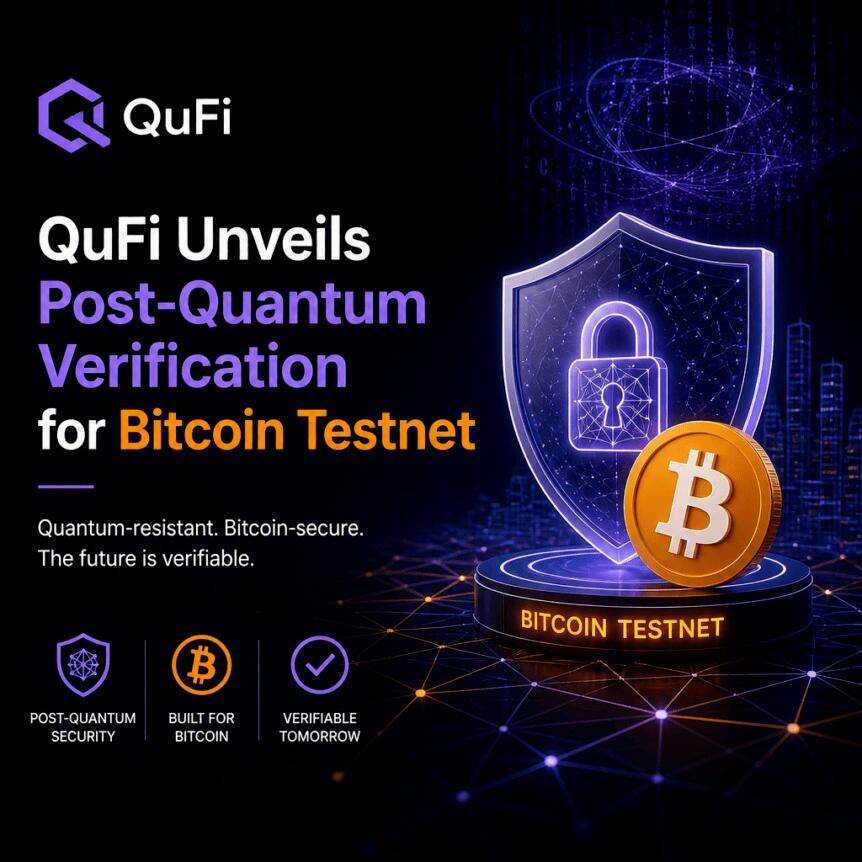
The Group of Seven (G7) is urging financial sector institutions to start planning a coordinated migration to "post-quantum cryptography." The policy signal comes as developers of Bitcoin, Ethereum and Solana are publicly recording their respective quantum preparations rather than announcing that they have completed any defensive measures.
According to the team's account of the collaborative roadmap, the impetus came from the G7 Network Experts Group. The team described the transition as a long-term transition process that requires inventory stocktaking and coordination across the financial system. The guidelines are designed to call on all parties to prepare and plan. They are not specific injunctions for cryptocurrencies, nor do they state that any blockchain has been breached.
What are the actual requirements of G7?
Post-quantum cryptography refers to an encryption and signature scheme designed to withstand future large-scale quantum computer attacks and will replace algorithms that may eventually be cracked by sufficiently powerful machines. National cyber regulators have also echoed the themes of migration planning, and the Canadian Cyber Security Center has provided guidance on transition readiness.
For blockchain, the relevance is immediate but not urgent: Bitcoin, Ethereum and Solana are cited here as mainly large networks that are reviewing their defenses, rather than networks that have completed migration.
Why is quantum risk now a planning issue rather than a distant theory?
Migration is difficult because cryptography is embedded in every corner of these systems, covering wallet key generation, transaction signing, hardware devices, and node infrastructure, making replacement impossible at a single point in time. It is this broad embedded footprint, rather than any recent exploits, that makes the G7 's emphasis on long-term transition schedules and inventory efforts particularly important.
Existing chains are still less available today; the sense of urgency described in the roadmap lies in the multi-year lead time required for a full transition, not an overnight collapse. The same signature and finality mechanisms that quantum planning targets are also the basis for newer extended designs, such as Bitcoin Layer 2 's finality and withdrawal confidence mechanisms.
How do Bitcoin, Ethereum and Solana developers test defense capabilities?
Bitcoin
Bitcoin's quantum discussions are mainly in the research and subject tracking phase, focusing on signature schemes and migration paths that expose public keys, as shown in Bitcoin Optech's report on quantum resistance coverage. This work is exploratory and not a deployed production environment change.
Ethereum
Ethereum views quantum resistance as a roadmap project, and the transition to quantum security signatures and account changes is described as future protocol work on the official Ethereum roadmap. This is a planned direction, not a released upgrade.
Solana
Solana released the quantum preparation material, outlining how it handles signature and wallet defense through its own quantum preparation instructions. As with other networks, the focus is on preparation and backward compatibility rather than on completed migration.
What the three have in common is a difference that the G7 roadmap also emphasizes: research, testing, and roadmap discussions do not equal production deployment.
What obstacles are still facing full migration?
The main obstacles are structural: including cryptographic standardization, wallet software upgrades, coordinating millions of users, performance trade-offs associated with larger quantum signatures, and the governance complexity of changing consensus protocols. Multi-chain ecosystems bear different burdens because architecture and upgrade paths vary from network to network, which means Bitcoin, Ethereum and Solana cannot follow the same script.
Frequently Asked Questions (FAQ)
Is Bitcoin quantum resistant today?
No. As Bitcoin Optech has documented, Bitcoin's quantum work is still at the research and subject tracking level and is not a deployed defensive measure.
Have Ethereum and Solana achieved post-quantum security?
No. According to the roadmap and preparation materials it released, both describe quantum resistance as planned or ongoing work rather than a completed migration.
Why does the G7 care about this now?
Because the transition in the financial sector will take years, the G7 hopes to start inventory and migration planning as early as possible rather than waiting until quantum capabilities arrive.
A tangible milestone to watch for is whether the G7 roadmap translates into specific standardized deadlines that will affect the governance of cryptocurrency protocols, by which time today's research will become a planned deployment.
Disclaimer : This article is for information purposes only and does not constitute financial or investment advice. There are significant risks in the cryptocurrency and digital asset markets. Be sure to conduct independent research before making a decision.