Exchange Ranking
 Top Exchanges
 24h Volume Ranking
 Popularity Ranking
 Exchange BTC Balance
 Proof of Reserves
 Decentralized Exchanges
 Funding Rate
 Funding Heatmap
 Liquidation Data
 Max Pain
 Long/Short Ratio
 Whale L/S Ratio
 Binance/Okex/Huobi L/S
 Bitfinex Margin L/S
 ETF Tracker
 Solana ETF
 XRP ETF
 Hong Kong ETF
 Bitcoin Treasuries
 Crypto Reversal
 Ethereum Reserves
 HyperLiquid Wallet Analysis
 Hyperliquid Whale Watch
 Large Transactions
 On-chain Movement
 Bitcoin ROI
 Stablecoin Market Cap
 Options Analysis
 News
News Articles
 Economic Calendar
 Features
 Wallet
 Contract Calculator


 Security
 Collections
 Watchlist
 Following
With the popularization of blockchain technology, more and more users are beginning to use on-chain wallets to manage and trade encrypted assets. However, wallets operate differently on different chains, and cross-chain transfers often confuse novices. Understanding the transaction process of on-chain wallets and how to transfer assets between different public chains is crucial to ensuring asset safety and improving operational efficiency. This article will provide an in-depth analysis of the basic transaction methods of on-chain wallets, and explain in detail the implementation path of cross-chain transfers to help you easily complete asset circulation in a multi-chain ecosystem.
How to trade online wallets?
Trading in online wallets is relatively troublesome. If the wallet supports direct trading, such as MetaMask Wallet, users can directly trade in the wallet; but if transactions are not supported, users are required to transfer assets to the exchange before conducting the exchange. Here is a detailed tutorial on wallet trading using MetaMask Wallet as an example:
1. Go to MetaMask Portfolio and connect to your wallet, select Buy Sell and click

2. Select Sell

3. If you are using it for the first time, you must select the region you are in. If you have used this feature before, the app skips this step and uses the last selected region (saved in local storage).

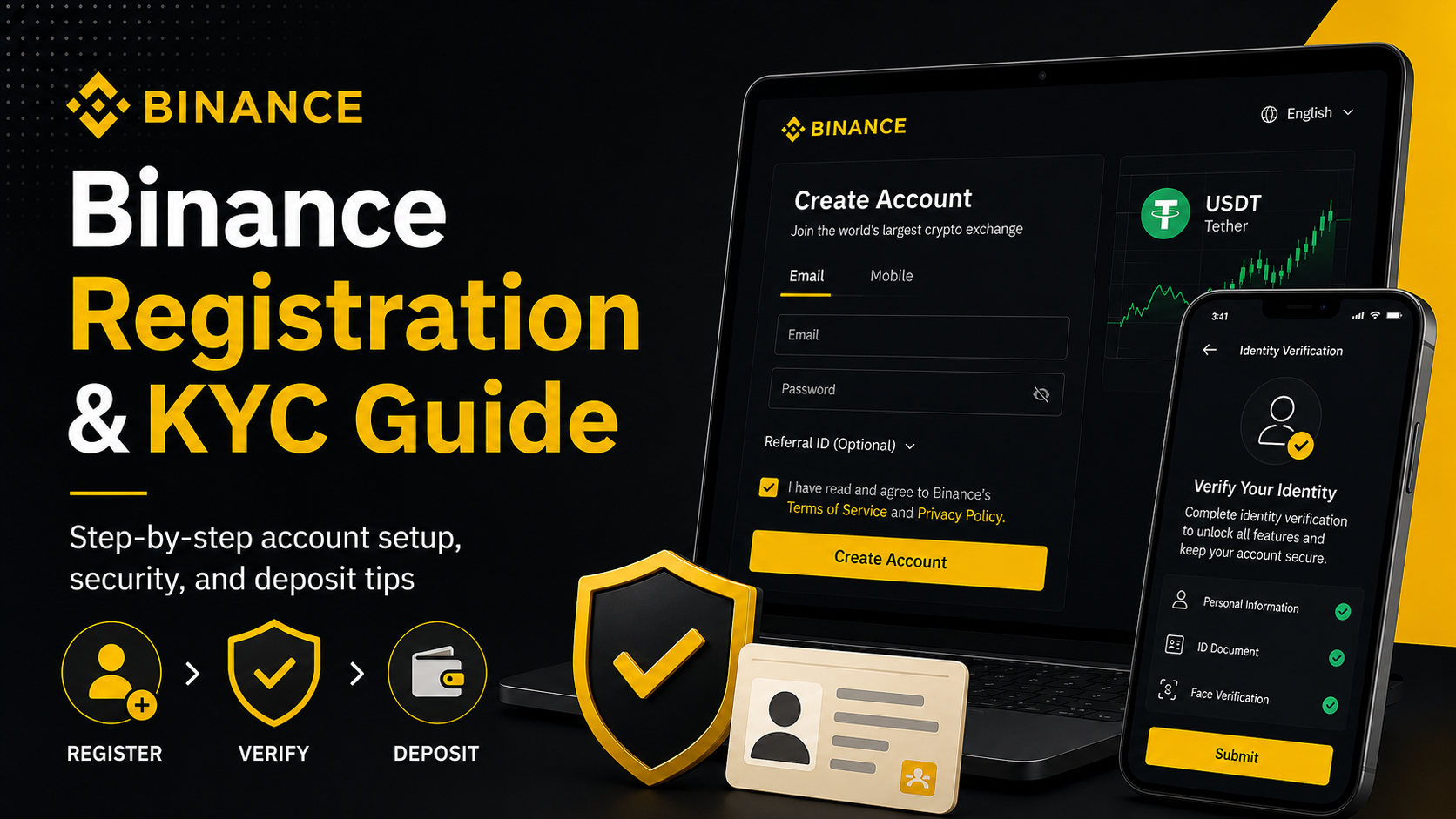
4. Enter the amount of ETH you want to sell and select the quote you prefer. It will then be taken to the provider\'s website, where you may need to complete KYC and connect to your bank account if you have never used their services before.

5. Return to the portfolio and click the \"Send ETH\" button:

6. Confirm the transaction in MetaMask. After the order is completed, you will see the following screens

How to transfer money from wallets with different chains?
The main methods for transferring wallets from different chains are to transfer to different chains through the exchange and to use cross-chain bridges. The following is a specific introduction of the different methods:
1. Transfer to different chains through the exchange:
Transferring to different chains through an exchange refers to the process by which a user transfers assets on one blockchain to another blockchain through the exchange as an intermediary.
The following is a tutorial on cross-chain in Ouyi:
Open Ouyi\'s official website (click here to register), click [Asset Management]-[Withdrawal] in the upper right corner, and select the currency [USDT].

Select [Online Withdrawal] and select the withdrawal network. Taking [TRON (TRC20)] as an example, enter/paste [USDT Address] and [Amount of Money Withdrawn], click [Next], verify the withdrawal information, obtain and enter the relevant Captcha as required, and click [Confirm] to complete the operation.

2. Using cross-chain bridges:
Cross-chain bridges are a technical mechanism that allows the transfer of assets and information between different blockchain networks. It is similar to a bridge in the real world, allowing an otherwise isolated blockchain network to communicate assets, information or data.
A common cross-chain bridge is designed for specific combinations of blockchains to facilitate the transfer of cryptocurrency between these blockchains. This cross-chain bridge is relatively simple to operate: it locks tokens on the source chain and mints corresponding synthetic tokens on the target chain.
Take the Polygon Bridge as an example, which is specifically used to transfer tokens from Ethereum to the Layer 2 network Polygon. Suppose you want to transfer USDC tokens from Ethereum to the Polygon chain. In Polygon Bridge\'s user interface, you can select USDC tokens from your Ethereum wallet and sign and approve transactions.
Once USDC is stored in Polygon Bridge, the cross-chain bridge will lock the corresponding number of USDC in the smart contract on Ethereum. After confirming that the USDC has been successfully locked, Polygon Bridge will mint USDC tokens of equivalent value on the Polygon chain. These USDC tokens on the Polygon chain will be received in the wallet and can be used in various dApps on the Polygon chain.

In Polygon Bridge, smart contracts are used to lock in your Ethereum USDC tokens. When you want to transfer cryptocurrency back to Ethereum, you need to send the Polygon USDC token to the Polygon Bridge again. During the token redemption process, Polygon Bridge will receive your Polygon USDC tokens, perform a Burn operation, and then mints the corresponding number of Ethereum USDC tokens. This way, you can use these USDC tokens on Ethereum.
Is there a limit on wallet transfers from different chains?
There are indeed limits on wallet transfers from different chains, and different exchanges have different regulations on transfer limits. For example, some exchanges may set a maximum limit on a single transaction to prevent potential fraud or ensure system stability.
The congestion level of blockchain networks will also affect the transfer limit. When the network is congested, the transaction confirmation time may be extended, and some networks may adjust the limit accordingly to cope with high load. The user\'s account permissions will also affect the transfer limit. For example, new users may have lower quotas, while advanced or authenticated users may have higher quotas.
It should be noted that with the widespread application of blockchain technology, users \'demand for cross-chain transmission of cryptocurrency continues to increase. Cross-chain bridges bring multiple benefits to users, but at the same time they also bring potential risks, such as theft and hacking. At present, the scale of cryptocurrency assets locked and circulated on cross-chain bridges has increased significantly, making cross-chain bridges more likely to become targets for hackers and making asset security the focus of market attention.
Disclaimer: The content on Billion Finance is for reference only and should not be regarded as financial or investment advice. Cryptocurrency investment has inherent risks. Before making any investment decisions, consult a qualified financial adviser.