Exchange Ranking
 Top Exchanges
 24h Volume Ranking
 Popularity Ranking
 Exchange BTC Balance
 Proof of Reserves
 Decentralized Exchanges
 Funding Rate
 Funding Heatmap
 Liquidation Data
 Max Pain
 Long/Short Ratio
 Whale L/S Ratio
 Binance/Okex/Huobi L/S
 Bitfinex Margin L/S
 ETF Tracker
 Solana ETF
 XRP ETF
 Hong Kong ETF
 Bitcoin Treasuries
 Crypto Reversal
 Ethereum Reserves
 HyperLiquid Wallet Analysis
 Hyperliquid Whale Watch
 Large Transactions
 On-chain Movement
 Bitcoin ROI
 Stablecoin Market Cap
 Options Analysis
 News
 Articles
 Economic Calendar
 Features
 Wallet
 Contract Calculator


 Security
 Collections
 Watchlist
 Following
In the context of spot Bitcoin ETFs and accelerating institutional participation in the market, how retail investors can safely hold crypto assets has once again become a focus. Recently, the U.S. SEC’s Investor Education and Assistance Office released a new “Investor Bulletin,” which outlines the differences and risks associated with various methods of holding crypto assets, such as custodial arrangements at exchanges. The bulletin also provides a list of practical tips to help ordinary investors avoid pitfalls and protect their “private keys and assets” during periods of market volatility and regulatory changes.
What is crypto asset custody?
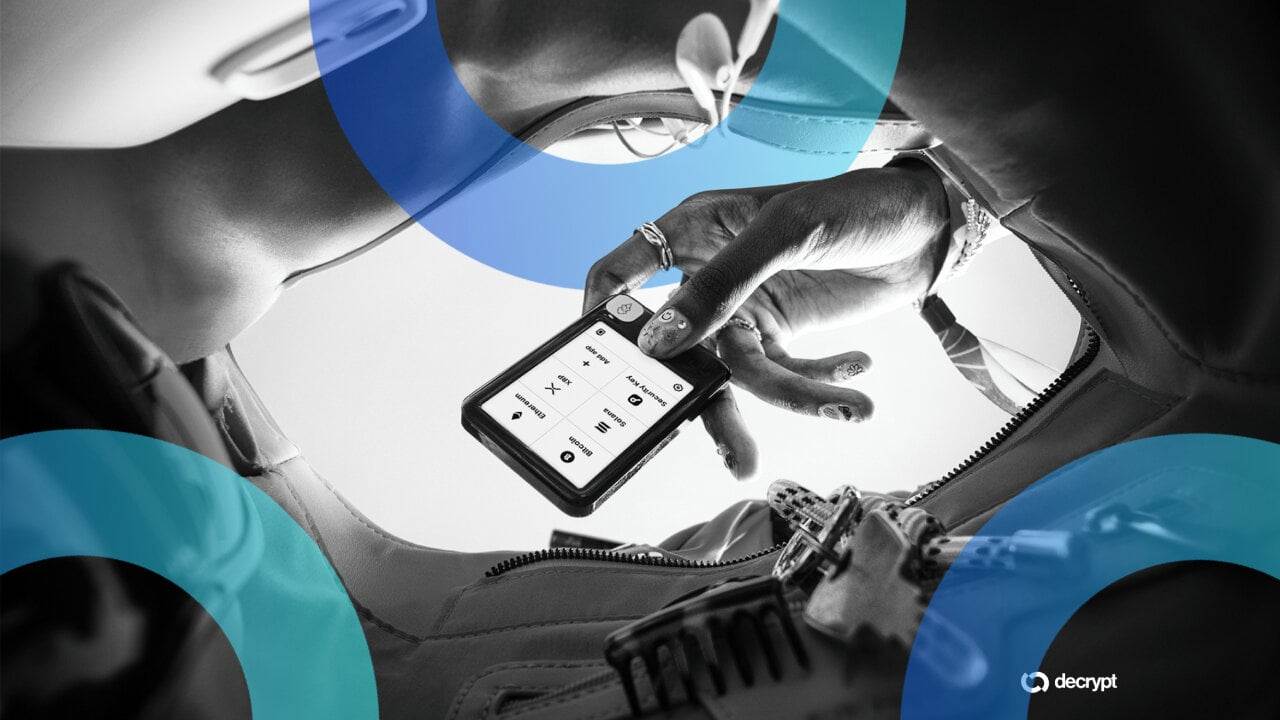
Crypto asset “custody” refers to how and where you store and access your crypto assets. Generally, you use a device or software called a crypto wallet to access your crypto assets. The crypto wallet itself does not “store” the crypto assets; instead, it stores the private keys or passcodes for those assets.
Crypto assets refer to assets that are generated, issued, and/or transferred using blockchain or similar distributed ledger technologies. This includes “tokens,” “digital assets,” “virtual currencies,” and “coins.” Investors should be aware that the characteristics and design of crypto assets, as well as the blockchain technology used for their issuance and/or transfer, can vary greatly. In other words, different crypto assets may offer different returns or risks.
When you create a crypto wallet, two keys or passcodes are typically generated:
● Private Key: The private key is a randomly generated string of letters and numbers used to authorize transactions involving encrypted assets. It serves as the password for an encrypted wallet. Once created, the private key cannot be changed or replaced. If you lose your private key, you will forever lose access to the encrypted assets in your wallet.
● Public Key: The public key is another set of codes used to verify transactions and allow others to send encrypted assets to your encrypted wallet. The public key cannot be accessed by anyone who doesn’t know the private key, nor can it be used to authorize transactions. The public key is like the email address of an encrypted wallet.
These two keys together prove your ownership of the encrypted assets and grant you the right to send, receive, or spend those assets.
Hot Wallets vs. Cold Wallets
There are different types of encrypted wallets, and individual investors use them in various ways. The two main types are “hot wallets” and “cold wallets”.
● Hot Wallets: These are internet-connected encrypted wallets, available as desktop applications, mobile apps, or web-based services. Hot wallets offer convenient access to transactions, but they are also more vulnerable to online threats.
● Cold Wallets: These are physical devices that don’t connect to the internet, such as USB drives, external hard drives, or even pieces of paper. Cold wallets aren’t as convenient for transactions, but since they don’t connect to the internet, they’re generally better protected from online threats. However, if the cold wallet device gets lost, damaged, or stolen, you will lose access to your encrypted assets permanently.
Protect your seed phrase
. Many encrypted wallets generate a “seed phrase,” also known as a backup phrase or memory phrase. A seed phrase is a sequence of random words that can be used to restore the wallet in case it is lost, the private key is forgotten, or the hardware/software fails or data is damaged. Please store the seed phrase in a safe place and do not share it with anyone.
Self-custody vs. third-party custody
You need to decide whether to manage your encrypted assets yourself (self-custody) or leave them under the care of a third party (third-party custody). Whether you choose self-custody or third-party custody, there are options for both hot wallets and cold wallets.
Self-custody means that you have control over your encrypted assets and are responsible for managing all the wallet’s private keys. You have full control over the private keys and must be fully responsible for their security. If the wallet is lost, stolen, damaged, or hacked, you may lose access to your encrypted assets permanently.
Key questions when choosing self-custody:
● Can you set up and maintain your encrypted wallet on your own? This may require certain technical skills, so make sure you can handle the technical aspects properly.
● Are you willing to take full responsibility for your encrypted assets? You must keep the private key and seed phrase in your own possession. If it is lost or stolen, you may lose access to your assets.
Which type of wallet do you prefer? You need to weigh between convenience and security, choosing between a hot wallet or a cold wallet.
What is the cost of using a wallet? Hardware wallets usually require purchase; hot wallets may be free at first, but transactions still incur fees. It’s important to understand the costs before making a decision.
Third-party custody involves having your encrypted assets managed by professional custodians or service providers. This includes cryptocurrency exchanges and specialized crypto asset custody companies. Third-party custodians manage and control access to your private keys. The account where your private keys are stored can be either a cold wallet, a hot wallet, or both. If the third-party becomes hacked, stops operating, or goes bankrupt, you might lose access to your encrypted assets.
Key questions when choosing third-party custody:
● Have you investigated the background of the custodian? Look up any complaints online and learn about the regulatory oversight they follow. Although industry regulations are still evolving, there are already some standards in place.
● What types of encrypted assets does the custodian support? Different custodians support different assets. Make sure they support the assets you want to store.
● What if there’s a problem with the custodian? Find out whether they offer insurance in case of asset loss or theft, and what the terms are.
● How do custodians store and protect your encrypted assets? Ask how they safeguard your assets and private keys, who has access to them, whether they build their own infrastructure or outsource it, and what methods they use, such as hot wallets/cold wallets. Also, learn about any physical and network security measures they implement.
● How will the custodian use your encrypted assets? Some custodians may use the stored encrypted assets as collateral for their own purposes, such as lending them out. This process is known as “rehypothecation”. It’s also possible for custodians to mix your assets with theirs. Be sure to understand whether this is allowed, and whether you need to give consent beforehand.
● What privacy protections does the custodian offer? Make sure they protect your sensitive personal information (such as name, address, social security number, coin holdings, transaction details, etc.). Also, ask whether they will sell your data to third parties, and whether you need to give consent.
● What fees does the custodian charge? These include annual fees based on the value of the assets, transaction fees, fees for transferring assets to locations outside of the custodian’s network, as well as fees for opening or closing accounts.
General tips for protecting encrypted assets:
● Carefully research and choose any third-party custodian you work with.
● Never share your private key or mnemonic phrase.
● Keep information about your encrypted assets confidential. Do not reveal the amount or type of assets you hold to anyone.
● Be aware of phishing scams involving encrypted assets.
● Use strong passwords and multi-factor authentication for all online encrypted asset accounts.